

Fasting has become one of the most popular wellness trends in recent years. From intermittent fasting (16:8) to alternate-day fasting and extended 24-hour fasts, millions of people have adopted it as the ultimate solution for weight loss, metabolic health, and even longevity.
Social media is flooded with success stories, flatter stomachs, better energy, improved blood sugar, and sharper focus. Influencers swear by it. Podcasts promote it. And wellness brands have built entire product lines around it.
But science tells a different, more nuanced story.
While fasting may genuinely benefit some people under the right conditions, it can also cause real harm to the body in certain individuals. Human metabolism, hormonal balance, medical history, gut health, and lifestyle vary enormously from person to person meaning one diet strategy simply cannot work for everyone.
In this article, we’ll explore the science behind fasting, how it can harm certain individuals, who should not fast, and why personalized nutrition is always the smarter long-term approach.
Understanding What Happens in the Body During Fasting
Fasting means voluntarily going without food for a specific period of time, typically anywhere between 12 and 48 hours depending on the protocol.
During a fast, the body undergoes several significant metabolic shifts:
- Insulin levels drop, signaling the body to stop storing fat and start burning it
- Glycogen stores deplete, forcing the liver and muscles to release stored glucose
- The body transitions to ketosis, using fat as its primary fuel source
- Stress hormones like cortisol and adrenaline rise to help mobilize energy reserves
- Autophagy may increase – a cellular “self-cleaning” process linked to longevity research
In healthy, metabolically flexible individuals, these shifts can offer measurable benefits: improved insulin sensitivity, reduced inflammation markers, and more stable energy levels over time.
However, these same biological processes can become a significant source of stress in people with certain health conditions, nutritional deficiencies, or hormonal vulnerabilities. The body’s response to fasting is not uniform and ignoring that fact can carry real risks.
It’s also important to understand that the effects of fasting don’t happen in isolation. How your body responds to fasting is deeply influenced by several interconnected lifestyle factors:
- Overall nutrient intake: A person who enters a fast already deficient in key vitamins or minerals will experience very different — and often harsher — effects than someone who is well-nourished.
- Stress levels: Chronic psychological or physical stress keeps cortisol elevated. Fasting on top of high stress amplifies cortisol further, potentially accelerating muscle breakdown, disrupting sleep, and worsening metabolic health rather than improving it.
- Sleep patterns: Poor sleep impairs glucose regulation, raises hunger hormones like ghrelin, and reduces the body’s ability to recover. Fasting while sleep-deprived compounds these effects, making it harder to sustain energy and focus through the day.
- Lifestyle and activity levels: A sedentary office worker and a high-intensity athlete have vastly different energy and recovery needs. What qualifies as a manageable fast for one can cause performance collapse and muscle loss for the other.
In short, fasting does not exist in a vacuum. Its safety and effectiveness are inseparable from the full picture of your daily health habits.
How Fasting Can Harm the Body in Some People
Although fasting is frequently marketed as universally safe and beneficial, several biological risks are well-documented in the scientific literature.
1. Blood Sugar Instability
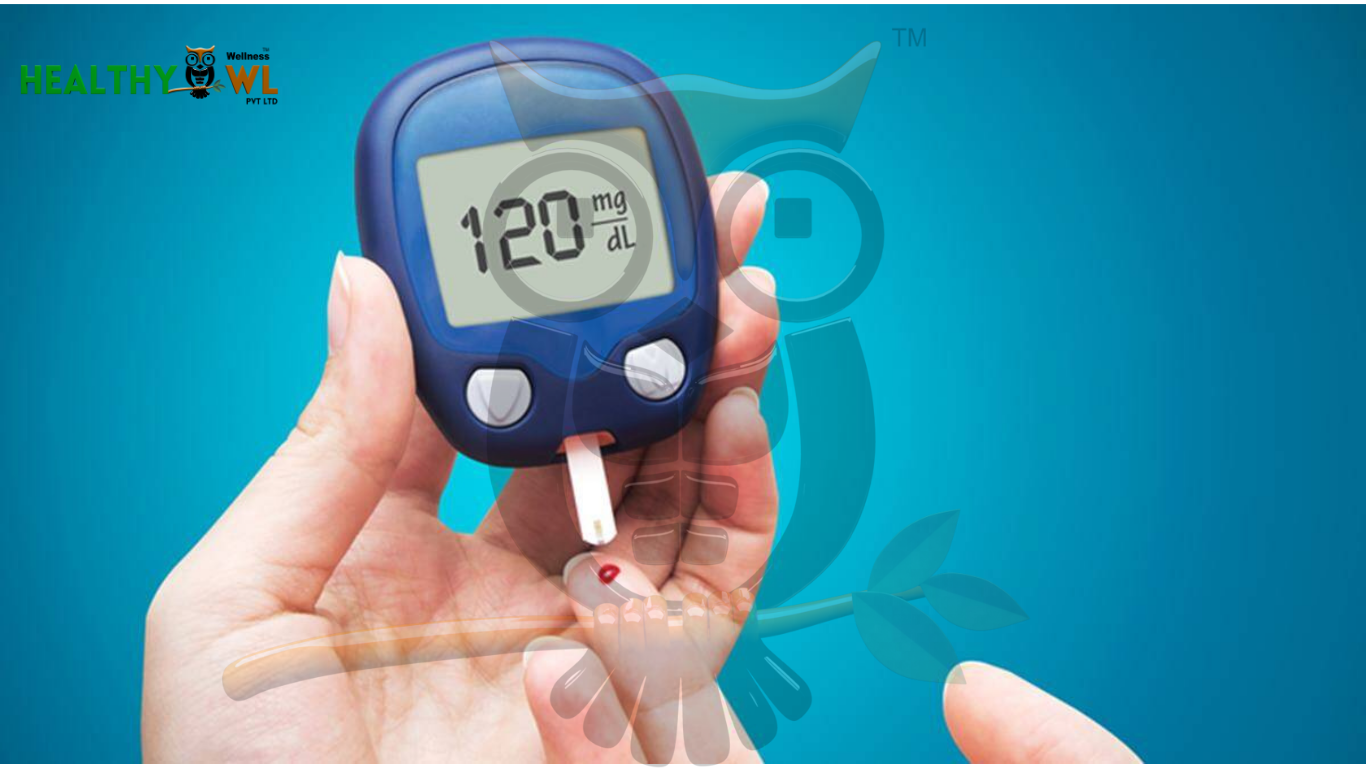
For individuals with diabetes or pre-diabetes, fasting can trigger dangerous fluctuations in blood glucose levels. When meals are skipped, blood sugar can drop to dangerously low levels a condition known as hypoglycemia.
Symptoms of low blood sugar include dizziness, confusion, trembling, weakness, and in severe cases, fainting or loss of consciousness. On the flip side, reactive hypoglycemia can cause blood sugar to spike sharply when eating resumes, creating a volatile cycle that is difficult to manage without medical oversight.
Medical professionals consistently advise that people with blood sugar disorders should not fast without close supervision by a qualified healthcare provider.
2. Hormonal Disruptions
Fasting places a significant metabolic burden on the endocrine system, the network of glands that produce and regulate hormones throughout the body.
Potential hormonal effects of prolonged or frequent fasting include:
- Thyroid disruption: Caloric restriction can suppress T3 and T4 levels, slowing metabolism
- Elevated cortisol: Extended fasting raises the stress hormone cortisol, which over time can contribute to weight gain, sleep problems, and anxiety
- Menstrual irregularities: Women who fast aggressively particularly those already lean or highly active may experience changes to their menstrual cycle or temporary loss of periods altogether
- Fertility challenges: Low caloric availability signals the body to suppress reproductive hormones as a survival mechanism
Research suggests women are especially sensitive to these hormonal shifts, and that fasting protocols designed primarily around male physiology may not translate safely for all women.
3. Nutrient Deficiencies
When eating windows shrink dramatically sometimes to just 4 to 6 hours a day many people simply cannot consume enough food to meet their full nutritional needs. Over days and weeks, this can lead to deficiencies in:
- Protein — critical for muscle maintenance, immune function, and enzyme production
- Iron and B12 — essential for energy and red blood cell production
- Calcium and Vitamin D — vital for bone density
- Fiber — necessary for healthy digestion and a balanced gut microbiome
Chronic under-nutrition, even when calories seem “enough,” can lead to fatigue, weakened immune defenses, hair loss, brain fog, and long-term gut health deterioration.
4. Energy Crashes and Mental Fatigue
Not everyone adapts smoothly to fasting. Many people particularly those who are physically active, under high stress, or not metabolically flexible experience significant side effects including persistent headaches, irritability, difficulty concentrating, and mid-day energy crashes.
These symptoms often occur when the body struggles to maintain stable glucose levels during long fasting windows. For professionals, students, caregivers, or athletes, these cognitive impairments can affect performance and quality of life significantly.
5. Digestive Issues and Disordered Eating Patterns
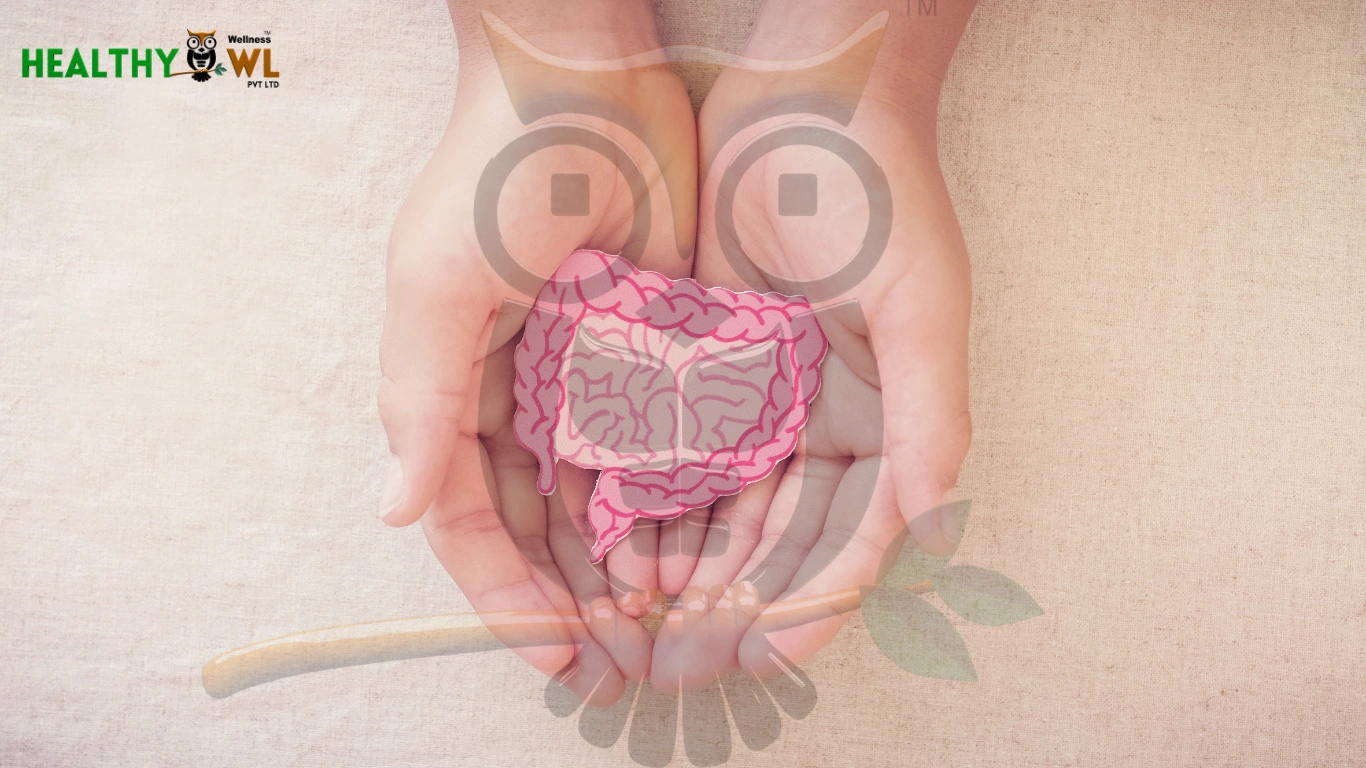
Ironically, fasting can sometimes worsen digestive health. Irregular eating patterns can disrupt the natural rhythm of the digestive system, leading to bloating, indigestion, acid reflux, or nausea. When the eating window finally opens, many people find themselves overeating rapidly, which places strain on the gut and can trigger its own set of symptoms.
Beyond digestion, the psychological relationship with food also matters. Highly restrictive eating schedules can foster obsessive thinking around food, trigger binge episodes, or reinforce unhealthy guilt cycles particularly in those with a history of disordered eating.
6. Dehydration During Fasting
One of the most overlooked risks of fasting is dehydration. Many people don’t realize that a significant portion of their daily fluid intake comes not from drinks, but from food particularly fruits, vegetables, soups, and cooked grains. When food is eliminated for extended periods, total fluid consumption often drops substantially without the person even noticing.
During fasting, the body also burns through glycogen (stored glucose), and for every gram of glycogen released, the body loses approximately 3 grams of water along with it. This means fluid loss accelerates in the early stages of a fast, increasing the risk of dehydration — especially in people who are physically active, live in warm climates, or already don’t drink enough water.
Signs of dehydration during fasting include:
- Persistent headaches (one of the most common fasting complaints)
- Dry mouth and increased thirst
- Dark-colored urine
- Fatigue and dizziness
- Poor concentration and brain fog
The fix sounds simple — drink more water — but adequate hydration during a fast requires conscious, consistent effort. Herbal teas, plain water, and diluted coconut water can all help maintain fluid levels. However, hydration alone is not always sufficient, because water lost during fasting carries essential minerals with it.
7. Electrolyte Imbalance: A Serious and Often Ignored Risk
Closely linked to dehydration is a potentially more serious risk: electrolyte imbalance. Electrolytes are minerals primarily sodium, potassium, magnesium, and calcium — that carry electrical charges and are essential for virtually every function in the body, from muscle contractions and nerve signaling to heart rhythm and fluid balance.
During fasting, electrolytes are lost through two main pathways: reduced dietary intake (since food is a primary source of these minerals) and increased excretion through urine and sweat. When insulin levels drop during a fast, the kidneys excrete more sodium, which triggers a cascade loss of other electrolytes alongside it.
The consequences of electrolyte depletion can range from uncomfortable to dangerous:
- Low sodium (hyponatremia): Can cause nausea, headaches, confusion, and in severe cases, seizures
- Low potassium (hypokalemia): May lead to muscle cramps, weakness, abnormal heart rhythms, and fatigue
- Low magnesium: Linked to anxiety, poor sleep, muscle spasms, and irregular heartbeat
- Low calcium: Can affect bone health, muscle function, and cardiovascular stability
People who fast for multiple days, engage in intense exercise while fasting, or fast in hot weather are at particularly elevated risk of significant electrolyte loss. Individuals on certain medications including diuretics or blood pressure drugs are even more vulnerable, as these medications already affect electrolyte balance.
To minimize this risk, many nutrition experts recommend including electrolyte-rich fluids such as diluted vegetable broth, mineral water, or carefully formulated electrolyte supplements during fasting windows particularly for extended fasts beyond 16–18 hours. Importantly, this should be done under guidance, as over-supplementing electrolytes can also cause harm.
Who Should NOT Fast? (Science-Backed List)
Medical and nutrition experts broadly recommend avoiding fasting or only attempting it under direct professional supervision if you fall into any of the following groups.
- Pregnant or Breastfeeding Women:
Both pregnancy and lactation dramatically increase the body’s nutritional demands. Fasting during these life stages risks reducing nutrient supply to the baby, impairing fetal development, and affecting milk quality and quantity. Healthcare professionals almost universally advise against fasting during pregnancy and breastfeeding. - People with Diabetes (Type 1 or Type 2):
Blood sugar regulation is already compromised in diabetic individuals. Fasting risks severe hypoglycemia, unpredictable glucose swings, and dangerous interactions with diabetes medications. Medical supervision is non-negotiable. - People with a History of Eating Disorders:
Restrictive eating patterns can reactivate disordered behaviors in those with a history of anorexia, bulimia, or binge eating disorder. Research consistently shows that rigid dietary protocols can worsen the psychological relationship with food. - People Taking Certain Medications: Many prescription drugs require food for safe absorption and to prevent stomach damage or dangerous side effects. This includes medications for blood pressure, blood thinning, diabetes management, thyroid conditions, and mental health. Skipping meals while on these drugs can create serious complications.
- People with Chronic Illness:
Conditions including kidney disease, heart disease, liver disease, adrenal insufficiency, and immune disorders may be significantly worsened by caloric restriction. Always consult a doctor before making major dietary changes when managing a chronic condition. - Children, Teenagers, and Older Adults:
Growing bodies require consistent nutrition to support healthy development. Fasting in children and teenagers can impair growth, cognitive development, and hormonal maturation. Similarly, older adults are already at higher risk of muscle loss, bone thinning, and nutrient deficiencies — fasting can accelerate these processes.
Why “One Size Does NOT Fit All” in Nutrition
Modern nutrition science is moving firmly away from universal prescriptions and toward personalized approaches. Your ideal dietary pattern depends on a complex interplay of:
- Genetics and metabolic type
- Hormonal health and history
- Activity level and occupation
- Gut microbiome composition
- Medical history and current medications
- Psychological relationship with food
- Sleep quality and stress levels
A fasting protocol that produces excellent results in one person can cause hormonal disruption, nutrient deficiency, or disordered eating in another. Additionally, growing research suggests that intermittent fasting is not inherently superior to traditional calorie-conscious eating for weight loss when total energy intake is matched meaning the supposed “magic” of fasting may be overstated for many people.
A Healthier Alternative: Sustainable Eating Patterns
Instead of chasing extreme fasting trends, many leading nutrition experts recommend building sustainable daily habits that support metabolic health without the risks:
- Eat balanced, nutrient-dense meals at regular intervals to support stable blood sugar
- Prioritize protein and fiber at every meal to promote satiety and gut health
- Avoid skipping meals reactively — irregular eating can disrupt hormones and digestion
- Support sleep and stress management — both are deeply tied to metabolic health
- Stay physically active in ways that feel sustainable and enjoyable
- Hydrate well throughout the day to support every metabolic function
These evidence-based habits create lasting results without putting vulnerable individuals at risk.
Final Thoughts
Fasting can be a valuable tool for some people but it is far from a universal health solution. The idea that everyone should fast ignores the rich biological diversity of human health, the complexity of hormones and metabolism, and the very real risks that exist for vulnerable groups.
Before making any major dietary change, remember:
✔ Your health history matters
✔ Your hormones matter
✔ Your metabolism is unique
✔ Your relationship with food matters
Always consult a qualified healthcare professional before starting any fasting protocol especially if you have an existing medical condition, take medications, or have a history of disordered eating.
Because in nutrition and wellness: one size never fits all.
Ready to Find What Actually Works for Your Body?
At Healthy Owl Wellness, we believe real health is never one-size-fits-all.
Our science-backed guides, personalized wellness tips, and expert nutrition resources are designed to help you make smarter choices – based on your unique biology, lifestyle, and goals.
Explore Healthy Owl Wellness → – Because your body deserves better than the latest trend.
FAQs
Q – Is fasting safe for everyone?
No. Fasting is not safe for everyone. People who are pregnant, have diabetes, take certain medications, or have a history of eating disorders should avoid fasting or consult a doctor first.
Q – Who should not do intermittent fasting?
Pregnant women, people with diabetes, those with chronic illnesses, individuals taking certain medications, and people with eating disorders should avoid intermittent fasting without medical supervision.
Q – Can fasting cause health problems?
Yes. In some individuals, fasting may cause low blood sugar, fatigue, hormonal imbalance, nutrient deficiencies, and digestive issues.
Q – Is fasting necessary for weight loss?
No. Sustainable weight loss can be achieved through balanced nutrition, regular physical activity, and healthy lifestyle habits without fasting.