

“Just eat more.”
If you’ve ever struggled with low appetite, you’ve likely heard this advice more times than you can count. The assumption behind it? You’re not eating enough because you lack discipline. Because you’re not trying hard enough. Because if you just wanted it more, the hunger would appear.
But here’s the truth: low appetite is rarely a willpower issue. It’s usually a biological signal.
Your body suppresses hunger for a reason. And when you understand the root cause, the solution becomes clearer and far more effective than white-knuckling your way through another meal you don’t want.
In this article, we’ll explore the real low appetite causes: the nutrient deficiencies that quietly kill hunger, how chronic stress and gut inflammation disrupt your hunger hormones, why forcing food without addressing the root cause can actually make things worse and what your body may truly be asking for.
Understanding Hunger: It’s Hormonal, Not Just Habit
Before diving into causes, it helps to understand how hunger actually works—because it’s far more complex than most people realize.
Appetite is regulated by a sophisticated network involving multiple systems in your body:
- Ghrelin – the primary hunger hormone, secreted mainly by the stomach
- Leptin – the satiety hormone, signaling to the brain that you’ve had enough
- The hypothalamus – the brain region that integrates hunger and fullness cues
- The gut-brain axis – a bidirectional communication highway connecting your digestive system to your central nervous system
According to Harvard Medical School, hunger signals are influenced by hormones, inflammation, stress, and nutrient status not simply by how long it’s been since your last meal. This means that if something disrupts any one of these systems, your sense of hunger can disappear entirely even when your body genuinely needs fuel.
So if you’re not feeling hungry, it’s not random. Something upstream is interfering with your hunger signaling. Here’s what that might be.
1. Nutrient Deficiencies That Kill Hunger
One of the most overlooked low appetite causes is micronutrient deficiency. Your body needs specific nutrients to produce the enzymes, neurotransmitters, and digestive acids that trigger healthy hunger cues. When these levels drop, appetite often drops alongside them.
Iron Deficiency and Appetite Loss
Iron deficiency doesn’t just cause tiredness and brain fog it can significantly blunt appetite. Low iron reduces oxygen delivery to tissues throughout the body, and research published by the National Institutes of Health shows that iron deficiency can alter both metabolic and neurological function, including the dopamine pathways involved in motivation and hunger.
Common signs of iron deficiency include constant fatigue, pale skin, shortness of breath, difficulty concentrating, and a reduced interest in food. This is especially common in women due to regular blood loss through menstruation, as well as in those following plant-based diets where iron absorption is lower.
Vitamin B12 Deficiency Symptoms
Vitamin B12 plays a critical role in nerve health, red blood cell formation, and DNA synthesis. When B12 levels decline which can happen gradually over months or years the effects can be subtle at first. You may feel persistently weak, notice digestive discomfort, or find that your appetite has quietly faded without an obvious reason.
According to the Mayo Clinic, B12 deficiency can affect both neurological and digestive function, both of which are essential for healthy hunger signaling. Because B12 is found primarily in animal products, those following vegan or vegetarian diets are at higher risk, as are older adults whose stomach acid production naturally declines with age.
Zinc Deficiency and Appetite
Zinc is directly involved in taste perception and the regulation of appetite hormones. Without adequate zinc, your ability to taste and smell food diminishes making eating feel unrewarding, which naturally reduces the desire to eat.
Low zinc can cause reduced taste sensitivity, a persistent metallic taste in the mouth, and a general loss of appetite. The World Health Organization identifies zinc deficiency as widespread globally, and it’s particularly associated with appetite suppression in individuals with gut disorders, where absorption is already compromised.
Protein Deficiency and Hunger Signals
Protein plays a central role in regulating hunger hormones like ghrelin and peptide YY. When your diet is chronically low in protein, muscle mass gradually declines, metabolic rate slows, and hunger regulation becomes unstable.
Here’s the paradox: severe protein deficiency can actually reduce appetite rather than increase it. Your body enters a conservation mode, downregulating non-essential functions including the drive to seek food. This creates a vicious cycle where low appetite leads to less protein intake, which further blunts hunger. Breaking this cycle requires addressing the deficiency directly, not simply trying to eat more.
A Nutritionist’s Note: Nutrient Pairing Matters
Correcting deficiencies isn’t only about what you eat it’s also about how you combine foods. Certain nutrient pairings dramatically improve absorption, which is especially important when appetite is already low and every meal needs to count.
Iron + Vitamin C: Non-heme iron (the form found in plant foods like lentils, spinach, and seeds) is notoriously difficult to absorb on its own. However, pairing iron-rich foods with a source of vitamin C such as a squeeze of lemon juice over a spinach salad, or tomatoes alongside a lentil dish—converts non-heme iron into a more bioavailable form, significantly increasing how much your body actually absorbs. This is particularly relevant for vegetarians and women with heavy periods who rely on plant-based iron sources.
Fat-Soluble Vitamins + Healthy Fats: Vitamins A, D, E, and K are fat-soluble, meaning they require dietary fat to be absorbed through the gut wall. Eating these vitamins without fat is like handing your body a key with no lock to put it in. Adding a drizzle of olive oil to roasted vegetables, pairing leafy greens with avocado, or including a small handful of nuts alongside a meal containing these vitamins meaningfully improves their bioavailability. This is especially relevant when low appetite is driving low-fat, low-calorie eating.
Small, intentional combinations like these ensure that each meal however modest in size delivers the maximum nutritional benefit your body needs to begin restoring healthy hunger signals.
2. Stress and Gut Inflammation: The Silent Appetite Killers
Even when your micronutrient levels are adequate, chronic stress and gut inflammation can powerfully suppress appetite.
How Chronic Stress Suppresses Hunger
Chronic stress elevates cortisol and activates the sympathetic nervous system—your “fight or flight” response. This system is designed for short-term emergencies, not the prolonged, low-grade stress that many people carry daily.
When the sympathetic nervous system is chronically activated, blood flow is redirected away from digestion, stomach acid production drops, and ghrelin signaling becomes disrupted. According to the American Psychological Association, stress significantly impacts digestive function and appetite regulation across multiple physiological pathways.
It’s worth noting that stress doesn’t affect everyone’s appetite in the same way. Some people become stress-eaters; others lose hunger almost entirely. Both are genuine stress responses driven by individual differences in the hormonal stress cascade. Neither is a character flaw.
Anxiety and the Gut-Brain Axis
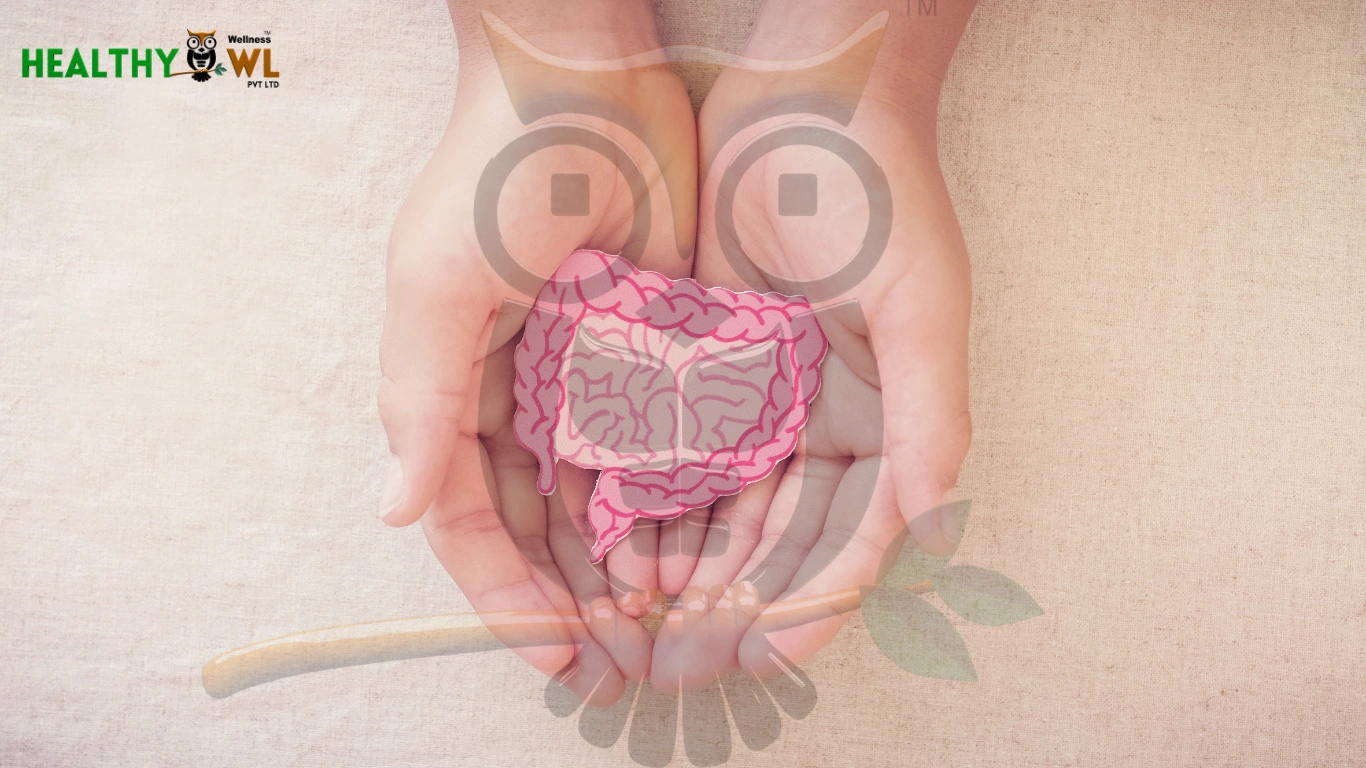
Your gut and brain communicate constantly through the vagus nerve a direct line of communication that carries signals in both directions. When the gut is inflamed or dysregulated, it can send distress signals to the brain, which responds by suppressing appetite as a protective measure.
Research from Johns Hopkins Medicine highlights how gut inflammation and anxiety disorders frequently coexist and reinforce each other. If eating consistently causes bloating, discomfort, cramping, or nausea, your brain may begin to associate food with threat and progressively shut down the hunger drive to avoid triggering those unpleasant sensations. This is your nervous system trying to protect you, even if the result feels anything but protective.
Gut Inflammation and Appetite Suppression
Chronic gut conditions including gastritis, IBS, food intolerances, and dysbiosis (an imbalance of gut bacteria) are common contributors to low appetite. Inflammation in the gut triggers the release of cytokines, immune signaling molecules that suppress appetite. This is the same biological mechanism your body uses during infections to redirect energy toward healing rather than digestion.
Your body prioritizes recovery over eating. While this makes sense in the short term, when gut inflammation becomes chronic, it creates a persistent state of appetite suppression that can be difficult to break without addressing the underlying inflammation.
3. Why Forcing Food Backfires
When appetite is low, the instinct and the advice most people receive is to simply push through and eat more. But here’s what actually happens when you force food without correcting the underlying cause:
Reduced digestive enzyme production. Low stomach acid combined with forced
eating leads to bloating, heaviness, and incomplete digestion. You’re adding food to a system that isn’t ready to process it.
Poor nutrient absorption. If gut inflammation is present, nutrients from the food you force yourself to eat may not be absorbed properly actually worsening the deficiencies contributing to low appetite in the first place.
Negative food associations. When eating consistently causes discomfort, your brain forms strong aversive associations. Over time, this can deepen appetite suppression and create real psychological resistance to eating.
Slower metabolic recovery. Without correcting the root cause whether it’s a micronutrient deficiency, chronic stress, or gut inflammation appetite won’t naturally return. You’re managing symptoms while the underlying issue continues.
According to digestive health research from the Cleveland Clinic, impaired digestion directly affects both nutrient absorption and hunger regulation. You cannot bully your biology into balance.
4. Drug and Medication-Induced Appetite Suppression
One of the most overlooked causes of low appetite is medication. Many commonly prescribed drugs list appetite suppression as a side effect—and for some people, it significantly impacts nutrition.
Common culprits include:
- Antidepressants (SSRIs/SNRIs) and ADHD stimulants – often reduce hunger, especially early in treatment.
- Antibiotics – disrupt the gut microbiome, affecting hunger signals.
- Metformin – can cause nausea and reduced appetite, particularly at higher doses.
- Chemotherapy drugs – impact taste, gut lining, inflammation, and nausea.
- Opioids – slow digestion and reduce food motivation.
- GLP-1 medications like semaglutide and liraglutide – intentionally suppress appetite but may reduce hunger more than expected.
What to do:
Never stop medication on your own. Speak with your doctor about dose timing, adjustments, alternatives, or temporary nutritional support. Sometimes, it’s the prescription not your willpower behind the appetite shift.
5. Why Forcing Food Backfires
When appetite is low, forcing food may seem logicalbut it often worsens the issue.
- Poor digestion: Low stomach acid and enzymes can cause bloating and heaviness.
- Reduced absorption: Gut inflammation limits nutrient uptake, worsening deficiencies.
- Negative food associations: Repeated discomfort builds psychological resistance to eating.
- Delayed recovery: Without fixing root causes (stress, gut issues, deficiencies), appetite won’t naturally return.
As digestive research from the Cleveland Clinic highlights, digestion and hunger regulation are deeply connected. You can’t force biology into balance restoring appetite requires addressing the underlying cause.
What Your Body May Actually Be Asking For
Rather than asking “how do I make myself eat more?”, the more useful questions are:
- Do I need testing for iron, B12, zinc, or protein status?
- Am I carrying chronic stress that my body has normalized?
- Could gut inflammation be suppressing my hunger signals?
- Is my sleep quality affecting my hormonal balance?
- Are my meals easy enough to digest given my current gut health?
Often, appetite returns naturally when nutrient deficiencies are identified and corrected, stress is genuinely reduced not just managed, gut health improves through targeted dietary and lifestyle changes, and meals are made easier to digest, especially during recovery.
Gentle Strategies to Restore Appetite Naturally
If you’re working to rebuild your appetite, consider these evidence-informed approaches:
- Focus on micronutrient-dense foods – leafy greens, legumes, seeds, eggs, fermented foods, and quality animal proteins
- Support digestion naturally – ginger tea, jeera (cumin) water, and small frequent meals can ease the digestive burden
- Prioritize protein in easy-to-digest forms – eggs, lentil soup, Greek yogurt, or a quality protein smoothie
- Practice slow diaphragmatic breathing before meals – activating the parasympathetic nervous system (rest and digest mode) before eating can meaningfully improve gastric function
- Improve sleep consistency – ghrelin and leptin are both directly regulated by sleep; poor sleep disrupts hunger hormones rapidly
- Reduce caffeine on an empty stomach – this can increase cortisol and suppress appetite further
Appetite is a sign of safety. Your body must feel physiologically safe—well-nourished, low in stress, and free from gut-level threat—to feel genuinely hungry. Restoring that sense of safety is the real goal.
FAQs
Q – What are the main low appetite causes?
Low appetite causes include nutrient deficiencies (iron, B12, zinc, protein), chronic stress, gut inflammation, infections, medication side effects, and hormonal imbalances. In many cases, multiple factors are present simultaneously.
Q – Can iron deficiency cause loss of appetite?
Yes. Iron deficiency can disrupt dopamine pathways and reduce energy metabolism, leading to a reduced drive to eat. It’s one of the most commonly overlooked nutritional causes of appetite loss.
Q – How does stress affect appetite?
Chronic stress activates the fight-or-flight response, suppressing gastric acid production, redirecting blood flow away from digestion, and disrupting hunger hormone signaling. For some people, this results in a near-complete loss of hunger.
Q – Does gut inflammation reduce hunger?
Yes. Inflammatory cytokines released during gut inflammation act on the brain to suppress appetite as a protective mechanism, the same process that reduces hunger during illness.
Q – Should I force myself to eat if I’m not hungry?
Forcing food without addressing the underlying cause can worsen bloating, impair nutrient absorption, and strengthen food aversion. It’s more effective to investigate and treat the root cause while introducing easily digestible, nutrient-rich foods gently.
A Note From Healthy Owl Wellness
If you’ve been blaming yourself for “not eating enough,” pause and reconsider.
Your body may not need discipline. It may need support.
At Healthy Owl Wellness, we look beneath the surface at nutrient gaps, stress load, gut inflammation, and hormonal balance because lasting appetite restoration starts with understanding the system, not overriding it.
Your hunger is not broken. It’s waiting for the conditions that make it feel safe to return.
👉 If this resonates, it may be time to truly listen to what your body is asking for.
Sources
- National Institutes of Health – Iron and micronutrient deficiency research
- Mayo Clinic – Vitamin B12 deficiency overview
- World Health Organization – Zinc deficiency data
- American Psychological Association – Stress and digestion
- Cleveland Clinic – Gut health and digestion
- Harvard Medical School – Hunger hormones and metabolic regulation