
Every year, millions of people across India observe Mahavir Jayanti with prayer, processions, and fasting. But for most, the fasting part ends up looking like a plate of deep-fried sabudana vada and a bowl of mithai and then a three-day recovery from bloating.
Sound familiar?
Here’s the thing: Mahavir Jayanti is one of the most powerful wellness opportunities on the Indian calendar. Lord Mahavir’s teachings rooted in ahimsa (non-violence), satya (truth), and aparigraha (non-attachment) aren’t just spiritual principles. They are, quite remarkably, a blueprint for physical and mental health that modern science is only now catching up to.
This guide will show you how to honour the occasion the right way with a fasting approach that detoxes your body, sharpens your mind, and actually leaves you feeling energised.
Why Mahavir Jayanti Is the Perfect Time to Reset Your Health
Lord Mahavir, the 24th Tirthankara of Jainism, advocated for a life of discipline, simplicity, and compassion including compassion toward one’s own body. His philosophy of living lightly, consuming minimally, and staying mentally clear maps almost perfectly onto what integrative medicine today calls a “lifestyle reset.”
When you adopt a satvik lifestyle pure, natural, minimally processed foods combined with mindful eating several things happen at the physiological level. Inflammation markers drop. Gut microbiome diversity improves. Cortisol levels stabilise. These aren’t spiritual claims; they’re reproducible outcomes documented in nutrition research.
Mahavir Jayanti, therefore, is less a single-day ritual and more an invitation to a deeper transformation. Think of it as your annual biological reboot.
The Science Behind Jain Fasting
Fasting, when done correctly, is one of the most evidence-backed health interventions available and it doesn’t require a prescription.
Autophagy and cellular repair: When your body goes without food for an extended period, it triggers a process called autophagy essentially, your cells begin cleaning house. Damaged proteins and cellular debris are broken down and recycled. This mechanism has been linked to improved immunity, slower aging, and reduced cancer risk. In fact, the 2016 Nobel Prize in Medicine was awarded for research into autophagy. Jain fasting, practiced for centuries, aligns with this biological wisdom without even knowing the word for it.
Gut health restoration: The human digestive system is under near-constant load in modern life. Fasting gives it a chance to rest, repair, and reset. Studies show that intermittent calorie restriction can improve the gut lining, reduce intestinal permeability (commonly known as “leaky gut”), and shift the microbiome toward healthier bacterial populations. If you’ve struggled with bloating, irregular digestion, or post-meal fatigue, a well-structured fasting day can be genuinely therapeutic.
Mental clarity: There’s a reason many people report feeling unusually sharp and focused on fasting days. When the body isn’t busy digesting a heavy meal, energy and blood flow are redirected including to the brain. Many practitioners of intermittent fasting report reduced brain fog, improved concentration, and a sense of emotional steadiness. Ancient wisdom strikes again.
Metabolic benefits: Contrary to popular fear, short-term mindful fasting does not destroy your metabolism or cause muscle loss provided you eat adequate protein and don’t fast for prolonged periods without guidance. What it does do is improve insulin sensitivity, regulate blood sugar levels, and encourage the body to tap into stored fat for energy.
What to Actually Eat During Your Mahavir Jayanti Fast
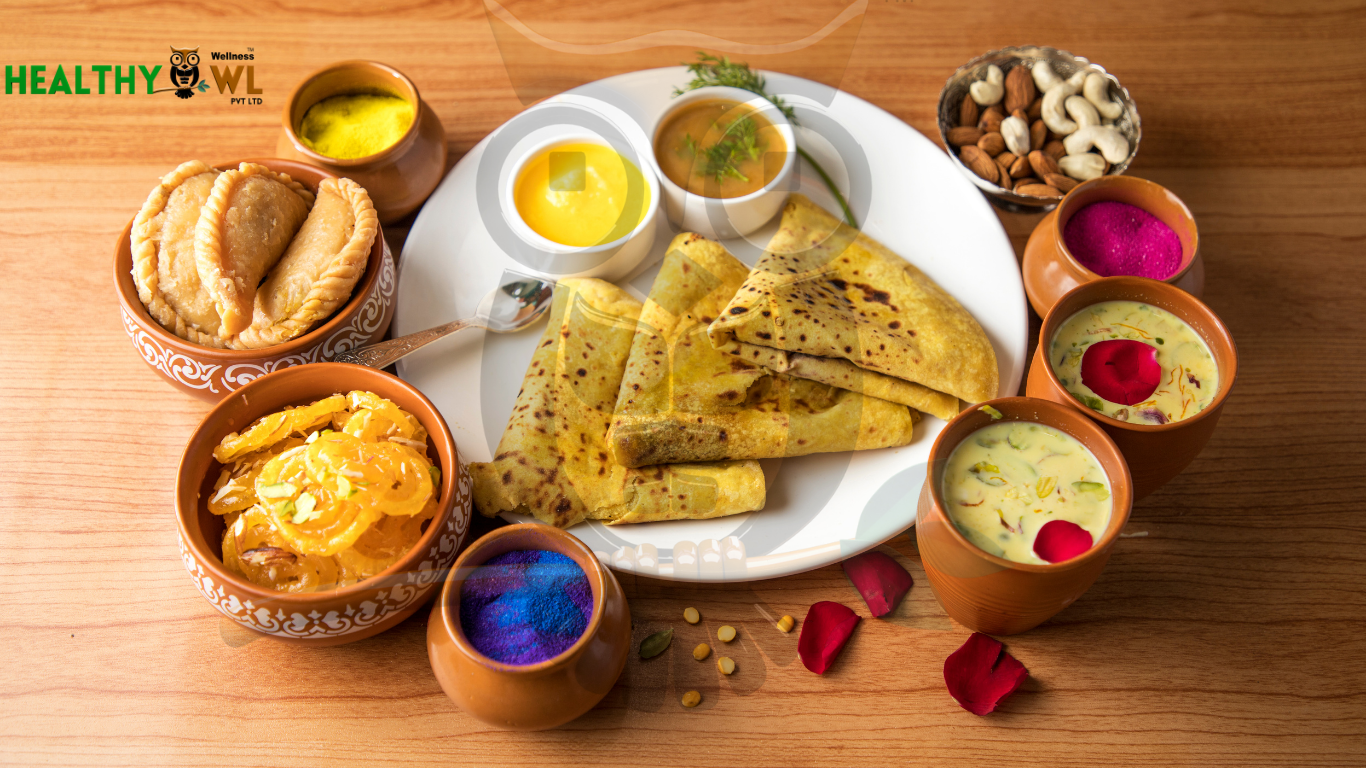
This is where most people go wrong. “Fasting food” has somehow come to mean an elaborate spread of fried snacks. Let’s recalibrate.
Fruits your best friend: Bananas offer quick, natural energy. Papaya supports digestion with its enzymes. Pomegranate provides iron and antioxidants. Apples offer soluble fibre that keeps you full. A mixed fruit bowl mid-morning is genuinely one of the best fasting meals you can have.
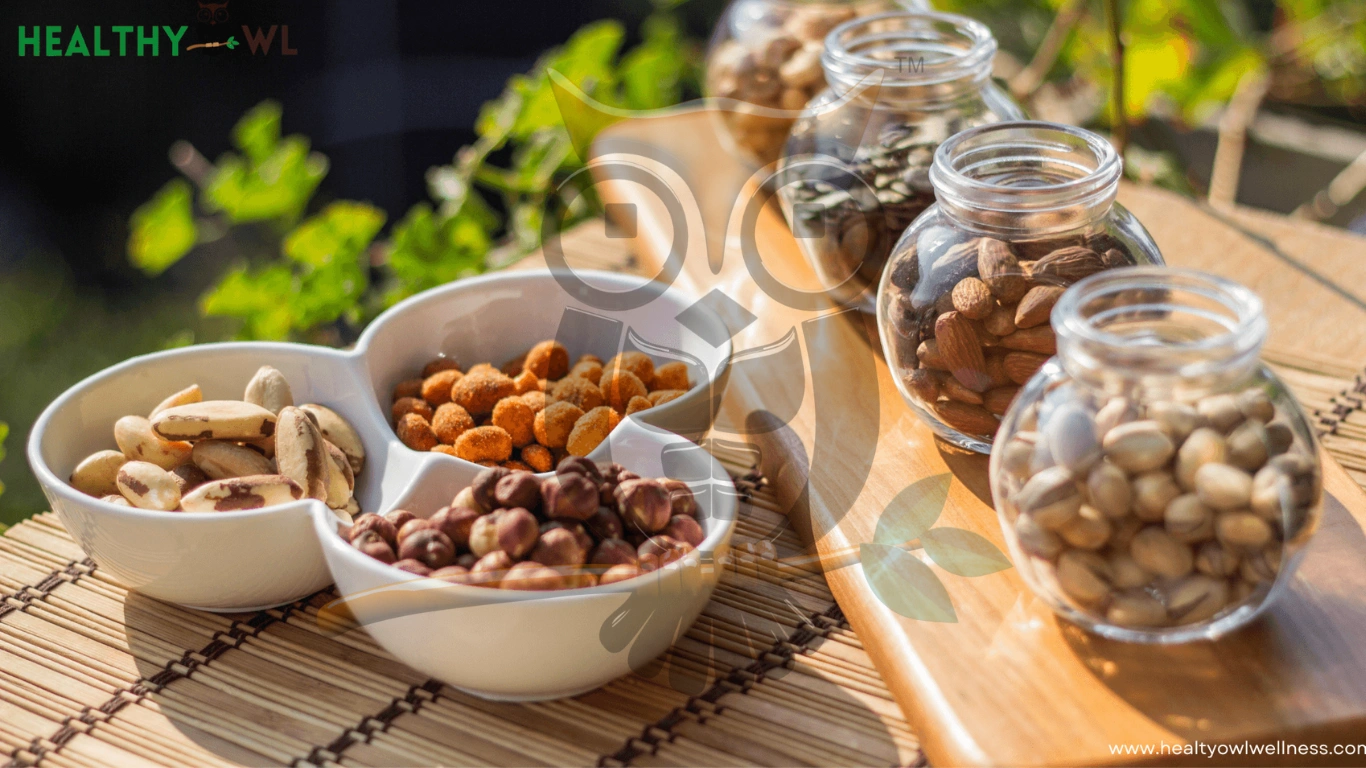
Nuts and seeds steady fuel: A small handful of soaked almonds, walnuts, or chia seeds gives you healthy fats and plant-based protein that prevent energy crashes and muscle breakdown. These are easy to carry and require no cooking.
Dairy cooling and nourishing: Curd, buttermilk, and milk are staples of Jain fasting for good reason. They’re cooling, easy to digest, provide calcium and protein, and help maintain gut balance. A glass of chilled buttermilk in the afternoon is both traditional and clinically sound.
Fasting grains the right carbs: Rajgira (amaranth) is a nutritional powerhouse high in protein, rich in lysine (an amino acid missing from most grains), and gluten-free. Rajgira rotis are a far superior choice to fried snacks. Sabudana (tapioca pearls) is fine in moderation but should be cooked lightly, not deep-fried.
Foods That Undo Your Fast (Avoid These)
Fried sabudana vada: Yes, it’s a classic. No, it doesn’t serve your health.
- Packaged “fasting” snacks: These are ultra-processed, high in sodium, and nutritionally empty.
- Excess sweets and mithai: Sugar spikes your blood glucose, triggers an insulin response, and leaves you more exhausted than before.
- Tea and coffee: Both are dehydrating and can increase acidity — especially on an empty stomach.
A Sample 1-Day Jain Fasting Diet Plan
| Time | What to Eat |
| Morning (7–8 AM) | Warm water + 5 soaked almonds |
| Mid-Morning (10–11 AM) | Fruit bowl – papaya, apple, pomegranate |
| Lunch (1–2 PM) | Rajgira roti + curd |
| Evening (4–5 PM) | Coconut water + a handful of walnuts |
| Dinner (7–8 PM) | Light sabudana khichdi + buttermilk |
Simple. Nutrient-dense. Completely manageable.
Wellness Tips to Stay Energised All Day
Hydrate constantly. Aim for 8–10 glasses of water. Add coconut water and buttermilk through the day. Dehydration is the number one cause of fasting-related headaches and fatigue and it’s entirely preventable.
Move gently, not intensely. This is not the day for a heavy gym session. Walk in the morning. Do 20–30 minutes of yoga. Light stretching is ideal. Save the intense workouts for when you’re eating normally.
Break your fast correctly. When dinner time comes, don’t celebrate with a massive oily meal. Start with something light warm soup, fruits, or warm water with lemon before moving to solid food. Your digestive system will thank you.
Sleep well. Fasting days, paradoxically, can be excellent for sleep quality. Without a heavy dinner sitting in your gut, your body can complete its repair cycles more efficiently overnight.
Who Should Be Careful with Fasting
Fasting is not universal. If you have Type 2 diabetes, hypoglycaemia, low blood pressure, or are pregnant or breastfeeding, please consult your doctor or a qualified nutritionist before fasting. A modified eating plan smaller portions, more frequent meals can often honour the spirit of the occasion without putting your health at risk.
Final Thought: Fast with Intention
Mahavir Jayanti is ultimately about transformation a conscious choice to live more lightly, more mindfully, more compassionately. That philosophy extends beautifully to how we treat our bodies.
This year, instead of fasting out of obligation and filling the gaps with fried food, try fasting with intention. Follow the science. Honour the tradition. Drink your water, eat your fruits, rest your gut and notice what happens.
Lord Mahavir didn’t just teach us how to treat others. He taught us how to care for ourselves. That lesson, perhaps, is the most timeless health tip of all.
How Healthy Owl Wellness Can Support You
At Healthy Owl Wellness, we focus on real, sustainable health not trends.
We help you:
✔ Build a personalized fasting plan
✔ Improve digestion & gut health
✔ Balance hormones & metabolism
✔ Reverse lifestyle diseases
✔ Achieve sustainable fat loss
👉 Start your wellness journey here:
FAQs
1. Is fasting on Mahavir Jayanti healthy?
Yes, when done correctly, it supports detox, metabolism, and mental clarity.
2. What foods are allowed during Jain fasting?
Fruits, nuts, dairy, and fasting grains like rajgira are commonly consumed.
3. Can diabetics fast during Mahavir Jayanti?
They should consult a professional and follow a modified plan.
4. How can I stay energetic during fasting?
Hydration, balanced meals, and avoiding sugar spikes are key.
5. What is a satvik diet?
A satvik diet includes pure, natural, minimally processed foods that promote clarity and balance.
Final Thoughts
Mahavir Jayanti is not just about rituals it’s about transformation.
By combining:
- Ancient Jain wisdom
- Science-backed nutrition
You can:
- Improve digestion
- Detox your body
- Boost energy
- Feel lighter and more balanced
👉 This year, don’t just fast, fast the right way.