
How one sacred day of reflection, fasting & community can become your most powerful wellness ritual of the year
What Is Good Friday and Why Is It Celebrated?
Good Friday is one of the most solemn observances in the Christian calendar. Commemorated on the Friday before Easter Sunday, it marks the crucifixion and death of Jesus Christ at Calvary hill in Jerusalem. Christians across the world observe this day through fasting, prayer, the Stations of the Cross, church services, and quiet reflection.
You might wonder: why is it called Good Friday if it marks such a sorrowful event? The word “good” here is rooted in the Old English sense of “holy” or “pious.” Theologians also interpret it as “good” because, through Jesus’s sacrifice, Christians believe humanity was given salvation making it a profoundly meaningful and ultimately hopeful occasion.
“What if the oldest spiritual practices were also among the wisest health prescriptions ever written?”
As the sun rises on Good Friday, millions embrace the day as a time for deep reflection and spiritual renewal. But there’s a dimension to this sacred observance that often goes unnoticed: Good Friday traditions are quietly, powerfully good for your body. From mindful fasting to fish-forward meals, communal dining to gratitude practices, this day offers a natural blueprint for holistic wellness that modern science is only now catching up with.
Whether you observe Good Friday as a Christian tradition, an annual reset ritual, or simply as a culturally significant day, here are five evidence-backed, practical ways to transform it into one of the healthiest days of your year.
In This Article
Mindful Fasting: Your Body’s Natural Reset Button
Fasting on Good Friday is one of the oldest Christian traditions but modern nutritional science has given us new reasons to appreciate it. When you abstain from food for even 12–16 hours, a cascade of beneficial biological processes begins: insulin levels drop, cellular repair (autophagy) kicks in, and your gut gets the rest it rarely receives.
This isn’t about extreme deprivation. Good Friday fasting is typically a moderate, conscious reduction in food intake which is perfectly aligned with what health researchers call “time-restricted eating,” one of the most studied forms of intermittent fasting today.
Healthy Swap
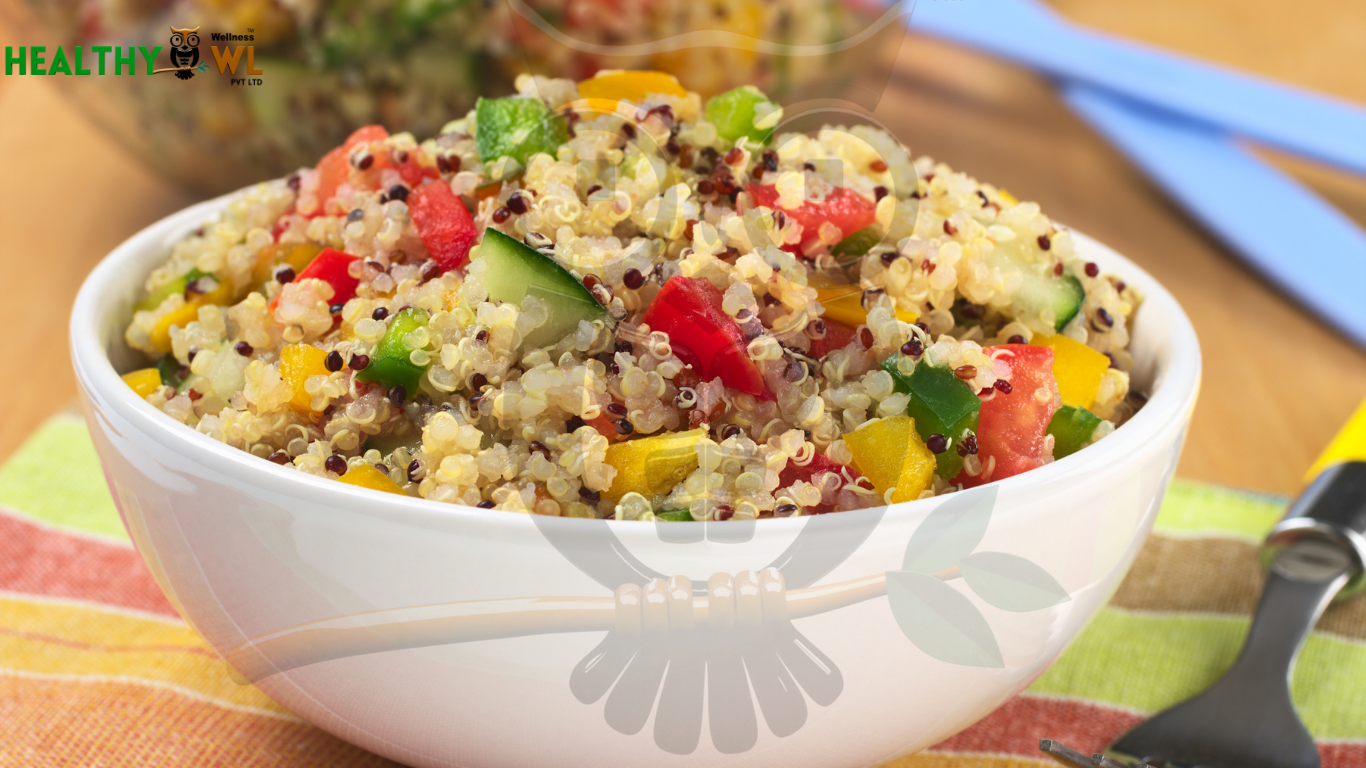
Replace heavy meals with a warming lentil and vegetable soup or a protein salad with chickpeas, cucumber, tomato, and olive oil. This breaks the all-or-nothing fasting trap and nourishes you beautifully without taxing your digestive system.
Smart Fasting Rules
If you have diabetes, are pregnant, or on medication, consult your doctor before fasting. Never skip water. If fasting causes dizziness or weakness, eat a small, light meal spiritual discipline never means harming your body.
Harvard Health: Intermittent fasting linked to improved metabolic markers & reduced inflammation
Whole Foods: The Nutritional Powerhouse on Your Plate
Traditional Good Friday meals across cultures lentil soups in India, baccalà (salted cod) in Italy, hot cross buns in England, fish stews in Ireland share a common theme: simple, whole, unprocessed ingredients. And that’s no coincidence. These food traditions evolved from both religious constraint and practical wisdom.
Eating whole foods brown rice, quinoa, legumes, seasonal vegetables, and fresh fish floods your body with fiber, antioxidants, omega-3 fatty acids, and micronutrients that heavily processed daily diets often lack. Even a single day of clean, whole-food eating can positively shift your gut microbiome composition, according to emerging nutritional science.
The Colorful Plate Rule
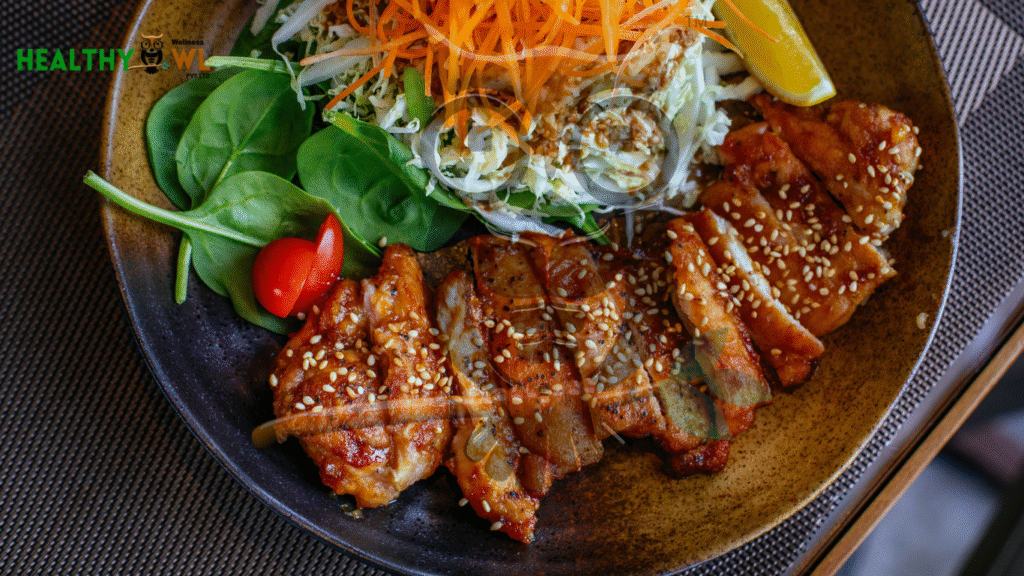
Fill two-thirds of your plate with vegetables and whole grains. Add a palm-sized portion of lean protein (grilled fish is ideal it’s the traditional Good Friday protein and one of the best sources of brain-healthy omega-3s). A colorful plate isn’t just visually satisfying each color represents a different family of phytonutrients.
Cooking Method Hack
If your family typically makes fried or creamy Good Friday dishes, try baking, steaming, or roasting with herbs instead. Roasted cauliflower with turmeric, garlic, and lemon is indistinguishable from its deep-fried counterpart and 60% lower in calories.
Hydration: The Bridge Between Spiritual & Physical Vitality
Hydration is the most overlooked element of any fasting or festive day. When you eat less especially if you’re also emotionally or spiritually engaged in observances your body’s thirst signals can get muted. But even mild dehydration (just 1–2% of body weight) impairs concentration, triggers fatigue, and disrupts mood the very opposite of what you want on a reflective, meaningful day.
Staying well-hydrated supports kidney function, flushes out metabolic waste, maintains blood pressure, and keeps your energy stable during fasting windows. On Good Friday especially, this simple act becomes an act of self-care that honors both your spiritual intentions and your body.
Hydration Ritual Ideas
Begin your day with a warm glass of water with a squeeze of lemon it stimulates digestion and liver detoxification. Throughout the day, alternate between plain water, ginger-lemon herbal tea, mint-infused water, or coconut water(which also replenishes electrolytes). Aim for8–10 glasses across the day.
Nutrient-Dense Desserts: Indulge Without the Guilt
Good Friday doesn’t mean saying goodbye to sweetness it means rethinking what sweetness looks like. Traditional sweets for this day hot cross buns, simnel cake, sweet pastries are delicious but often loaded with refined sugar and saturated fats that spike blood glucose and leave you feeling sluggish.
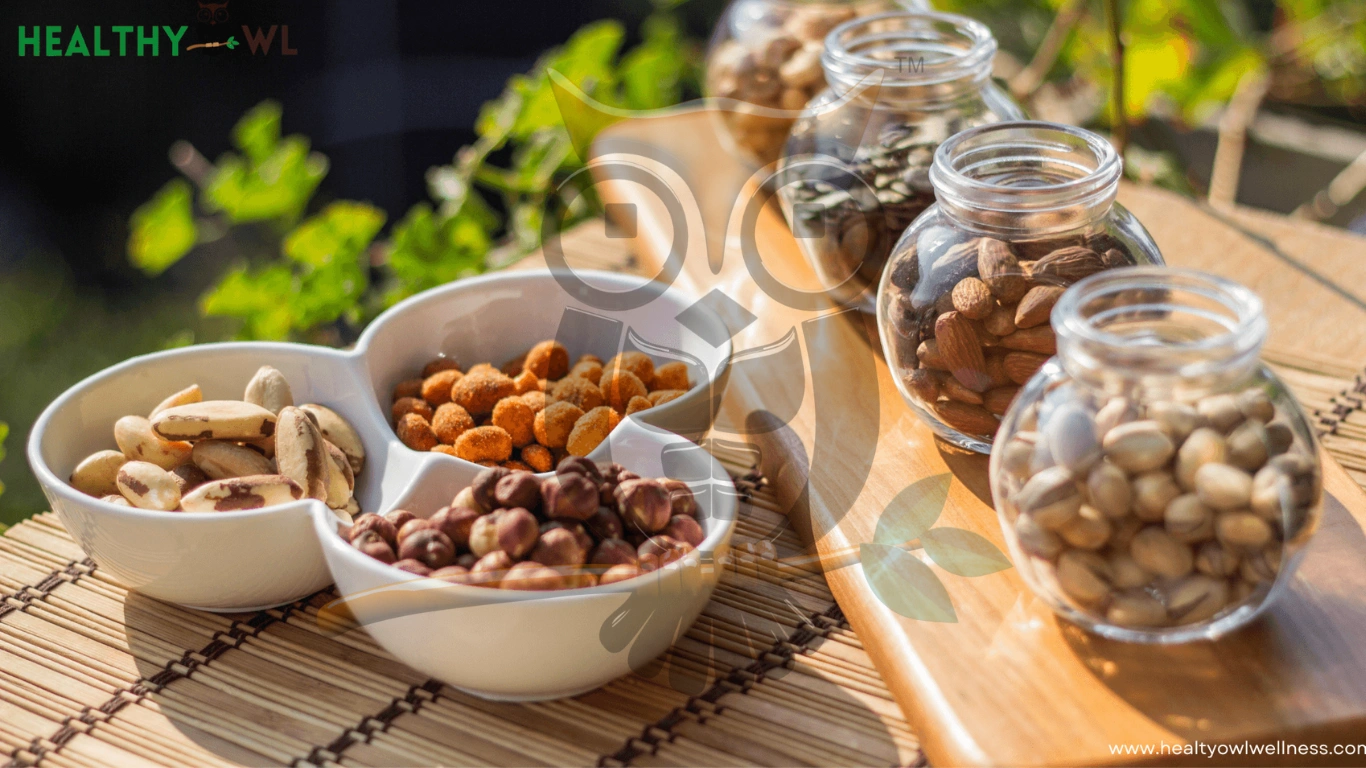
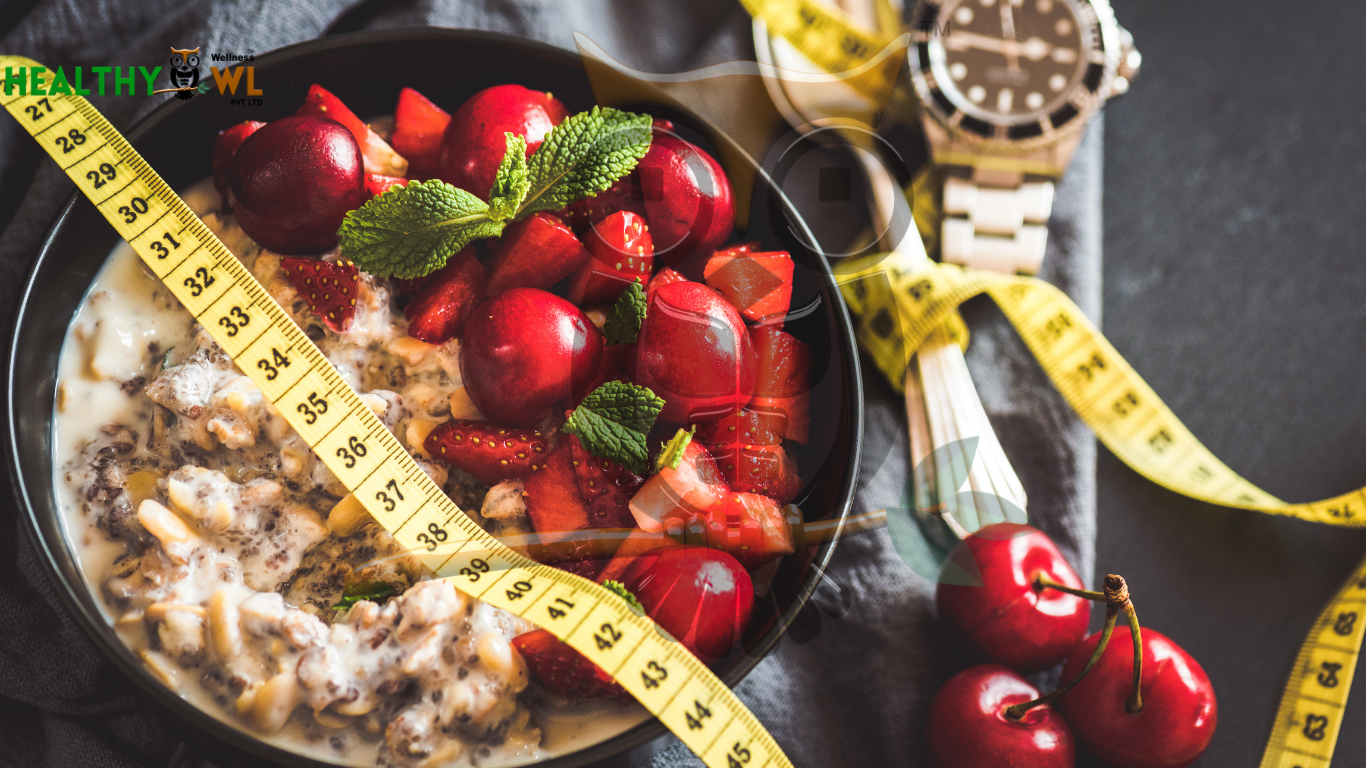
The good news: you can absolutely enjoy something sweet that also nourishes you. Nature provides extraordinary dessert ingredients berries, dark chocolate, Greek yogurt, honey, dates, nuts that satisfy the craving for sweetness while delivering fiber, probiotics, antioxidants, and healthy fats.
3 Healthy Good Friday Dessert Ideas
1. Berry & Greek Yogurt Parfait – Layer yogurt, seasonal berries, and a drizzle of raw honey. High in probiotics, vitamin C, and protein.
2. Dark Chocolate & Almond Clusters – 70%+ dark chocolate with almonds offers flavonoids, magnesium, and healthy fats.
3. Chia Seed Mango Pudding – Chia seeds soaked in coconut milk with mango. Rich in omega-3s, calcium, and fiber.
Gratitude & Community: The Most Powerful Medicine at the Table
This may be the most science-backed tip on this list. Good Friday gatherings shared meals, communal prayers, collective reflection activate what researchers call the ”tend-and-befriend” response, which counters the harmful fight-or-flight stress response. Being in community, especially around food, lowers cortisol, raises oxytocin, and reduces inflammation throughout the body.
And the simple practice of expressing gratitude before or during a meal has been shown in multiple studies to improve digestion (by activating the parasympathetic “rest and digest” nervous system), enhance mood, and even reduce how much you eat because you slow down and savor rather than rushing through your plate.
The Gratitude Practice
Before eating, invite everyone at the table to share one thing they are grateful for. This simple 2-minute ritual shifts the nervous system into a relaxed, receptive state improving digestion, absorption of nutrients, and emotional connection. It transforms eating from a physical act into a meaningful one.
Mindful Eating Tip
Put away screens during your Good Friday meal. Distracted eating is linked to overeating and poor digestion. Being fully present chewing slowly, tasting deeply, connecting with those around you is itself a powerful wellness practice with measurable benefits.
Quick Reference: Good Friday Food Swaps
| Typical Choice | Healthier Alternative | Key Benefit |
| Fried fish / deep-fried snacks | Grilled / baked fish with herbs | 60% fewer calories, retains omega-3s |
| White bread / pastry | Brown rice, quinoa, whole grain roti | Higher fiber, lower glycemic index |
| Sugary desserts & sweets | Fruit salad, yogurt parfait, dark chocolate | Antioxidants, probiotics, reduced sugar spike |
| Soft drinks / juices | Herbal tea, coconut water, lemon water | Hydration + electrolyte balance |
| Cream-based gravies | Tomato, lentil, or vegetable-based soups | Lower saturated fat, higher micronutrients |
| Skipping meals entirely | Light 2-meal eating window (12 PM & 6 PM) | Metabolic benefits without nutrient depletion |
Frequently Asked Questions
Q – What is Good Friday and why is it celebrated?
Good Friday is a Christian holy day observed on the Friday before Easter Sunday, commemorating the crucifixion and death of Jesus Christ. The term “Good” derives from the Old English meaning of “holy.” It is one of the most significant days in the Christian calendar, observed by over 2.4 billion people through fasting, prayer, and communal gatherings. In 2025, Good Friday falls on April 18.
Q – Is fasting on Good Friday actually healthy?
Yes – when done mindfully. Short-term or modified fasting (12–16 hours) on Good Friday can support metabolic reset, reduce inflammation, improve insulin sensitivity, and give your digestive system a meaningful rest. It’s important to stay well-hydrated and not approach fasting as starvation. People with diabetes, pregnancy, or chronic conditions should consult their doctor first. Harvard Health has published extensive research supporting the benefits of time-restricted eating.
Q – What should I eat on Good Friday to stay healthy?
Focus on whole, minimally processed foods: grilled or baked fish (rich in omega-3s), legumes like chickpeas and lentils, brown rice, quinoa, fresh seasonal vegetables, and fruits. Avoid fried, creamy, or sugar-heavy dishes. Fish is a traditional Good Friday food in many cultures and one of the healthiest proteins you can eat for heart and brain health.
Q – How much water should I drink while fasting on Good Friday?
Aim for at least 8–10 glasses (2–2.5 litres) of water throughout the day. You can supplement with herbal teas like ginger or chamomile, lemon-infused water, or coconut water for electrolyte balance. Avoid caffeinated beverages in excess as they can increase dehydration during fasting.
Q – Can Good Friday rituals improve mental health?
Absolutely. Research from UC Berkeley’s Greater Good Science Center shows that gratitude practices reduce stress hormones by up to 23%. Community meals activate oxytocin release (the bonding hormone), lower cortisol, and improve mood. Mindful eating slowing down and being present has been shown to reduce anxiety and improve digestion. Good Friday’s combination of fasting, gratitude, and community is a near-perfect mental wellness formula.
Q – What are healthy Good Friday dessert options?
You don’t have to skip dessert just reinvent it! Great options include a mixed berry and Greek yogurt parfait (protein + probiotics), dark chocolate almond clusters (antioxidants + healthy fats), chia seed pudding with mango (omega-3s + fiber), or a simple fresh fruit platter with honey and mint. These satisfy sweetness cravings while delivering real nutritional value.
Q – Is Good Friday a public holiday in India?
Yes. Good Friday is a gazetted public holiday in India, observed nationally. It is particularly celebrated by Christian communities in states like Goa, Kerala, Meghalaya, Nagaland, and other parts of Northeast India, as well as in major urban centers across the country.
Bringing It All Together
Good Friday is a day of profound meaning but its traditions carry wisdom that extends far beyond the spiritual realm. Fasting resets your metabolism. Whole foods nourish your cells. Hydration supports every organ. Wholesome desserts satisfy without harm. Gratitude and community heal the mind.
These aren’t coincidences. Across cultures and centuries, religious fasting traditions have aligned often intuitively with what we now know to be scientifically sound approaches to health. Good Friday offers a rare, structured opportunity to practice all of them simultaneously, within the warm container of meaning and community.
Whether you observe it as a sacred religious day or simply as a wellness reset, let this Good Friday be the day you treat your body with the same reverence as your spirit. Because they were never meant to be separate.