
Baisakhi is a vibrant festival celebrating the harvest season, bringing an abundance of traditional foods that can be both delightful and calorie-laden. While the festivities invite indulgence, many also seek ways to enjoy the celebrations without straying from their health goals. This year, let’s focus on savoring every moment of Baisakhi without the burden of extra calories. Here are some refreshing strategies to help you relish the flavors of the season while keeping your nutrition in check.
Celebrate Mindfully with the Flavors of Baisakhi
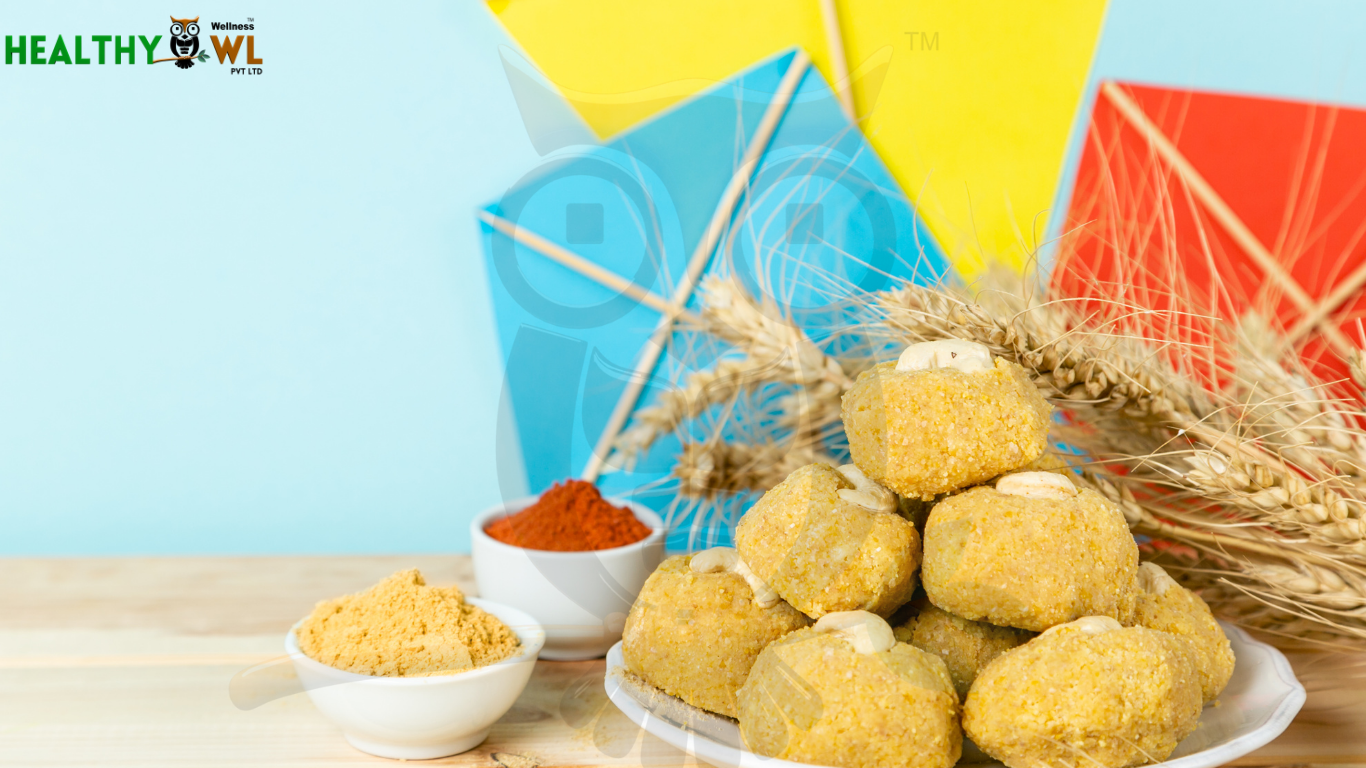
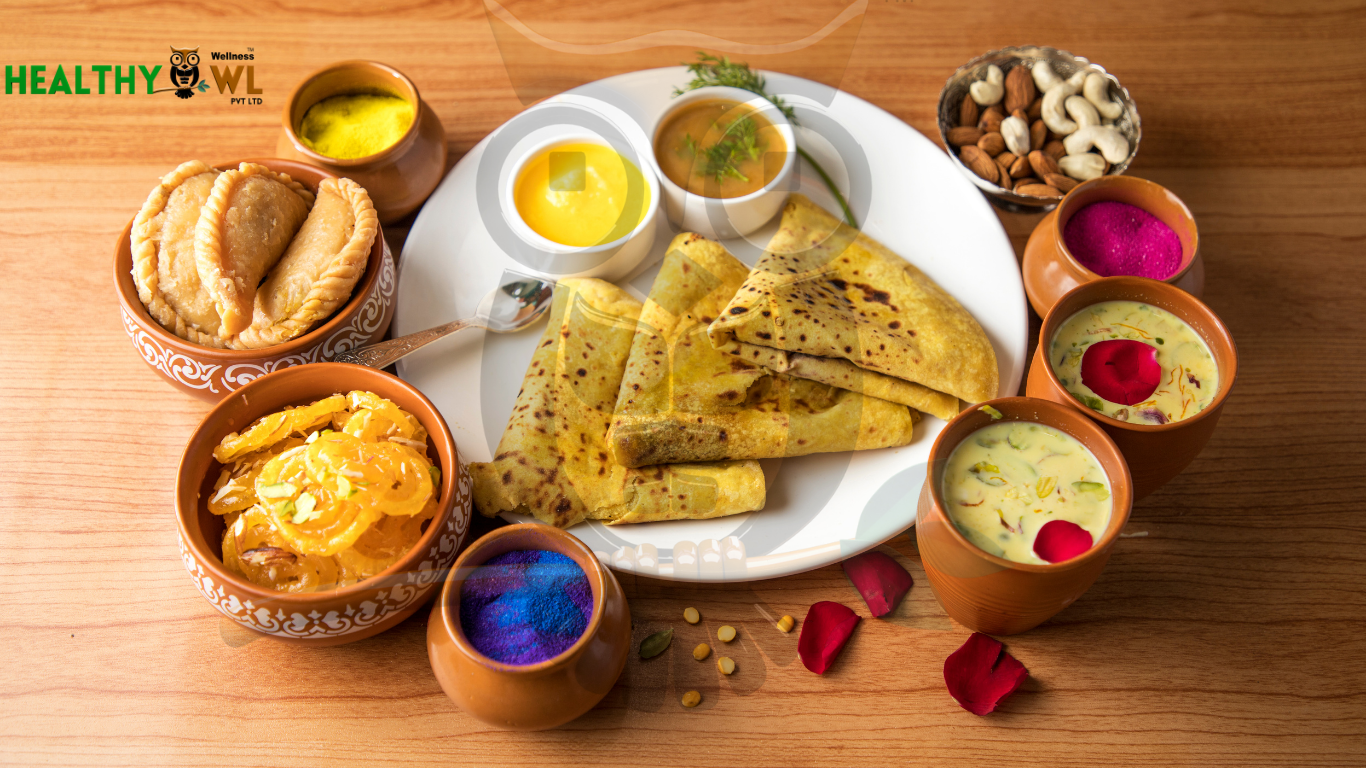
Baisakhi is more than just a feast; it’s a celebration of culture and community. Embrace the spirit of the festival by being intentional about your food choices. Before reaching for dishes, assess what’s on offer and focus on seasonal ingredients that are fresh and nutritious. Incorporate traditional sweets like gud (jaggery), ladoos, and kheer in moderation—consider using jaggery instead of sugar or preparing desserts with low-fat milk to lighten the calorie load.
Protein-Packed Plates: Keep Hunger at Bay
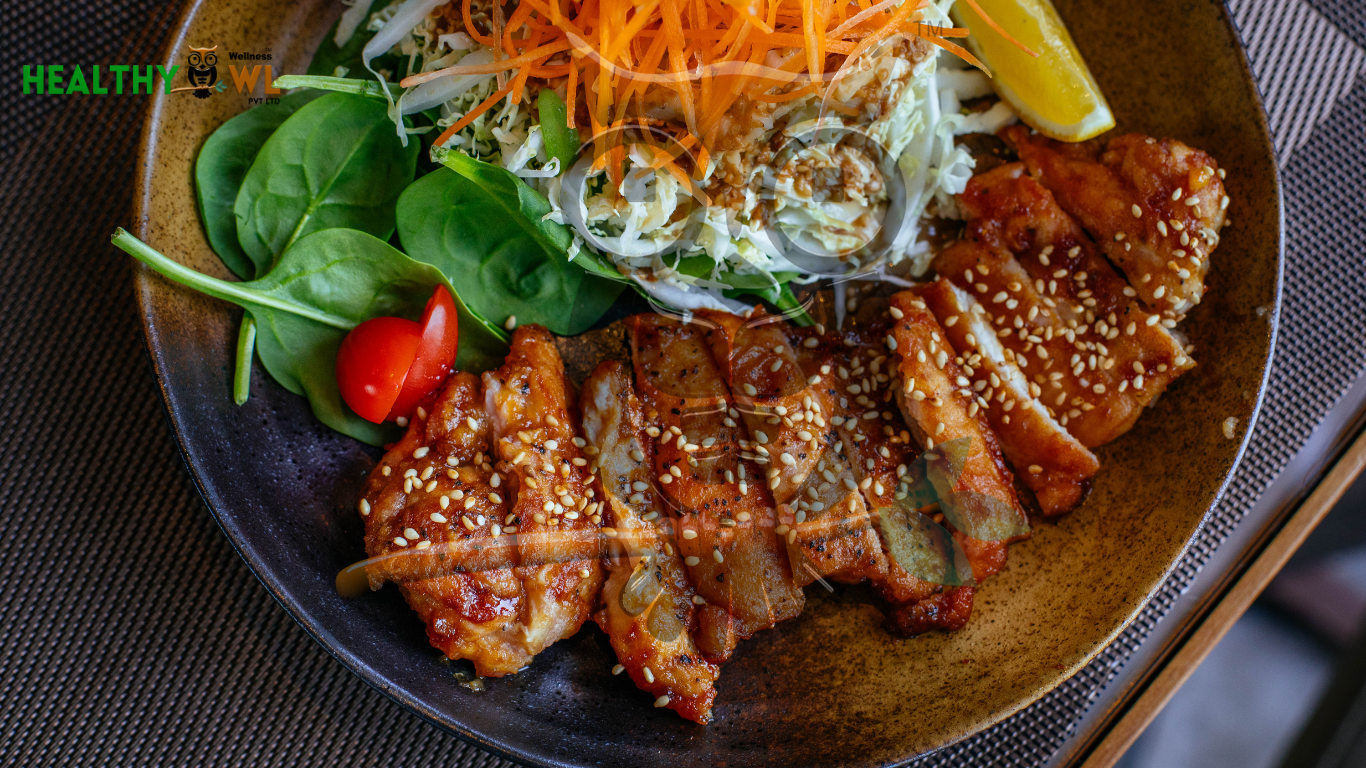
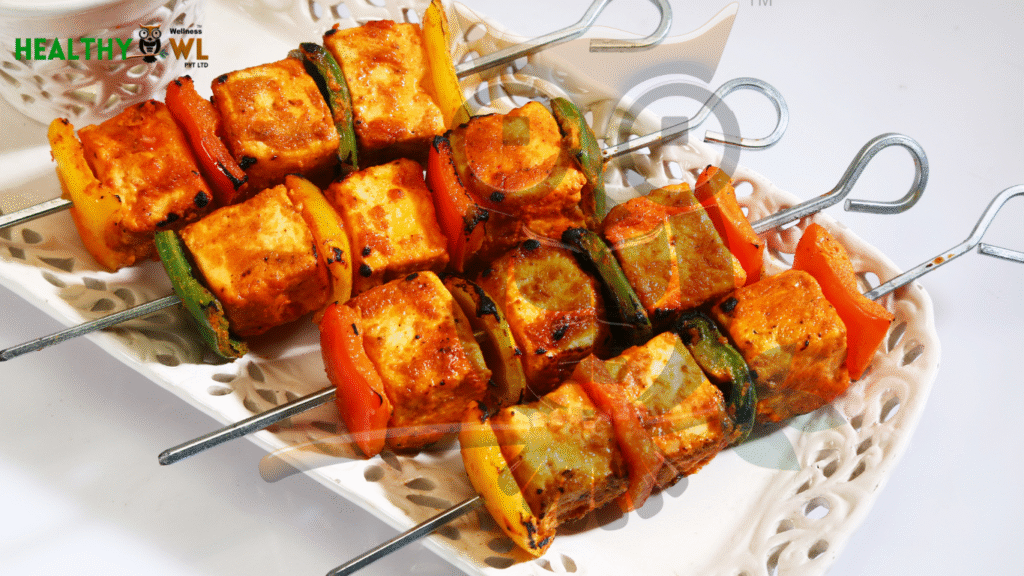
To prevent overindulgence, include protein-rich foods like lentils, paneer, or grilled chicken in your meals. These foods keep you fuller for longer, helping to curb cravings during the festivities. Pair protein with traditional dishes to create balanced meals that sustain your energy levels.
Savory Sensations: Spice Up Your Meal Prep
Explore healthier cooking methods for traditional dishes by steaming, grilling, or roasting rather than frying. Spice it up with turmeric, cumin, and coriander—these spices not only enhance flavor but also offer health benefits. For example, turmeric has anti-inflammatory properties, while cumin aids digestion. Marinate grilled paneer or chicken with yogurt and spices to create delicious yet low-calorie options.
Mindful Eating Tips: Savor Each Bite
Practice mindful eating by savoring each bite, chewing slowly, and tuning into your body’s hunger cues. This approach not only enhances your enjoyment of food but also reduces the likelihood of overeating. Remember, it’s not just about what you eat, but how you eat.
Snack Smart: Healthy Alternatives for Festive Treats
While festivals often come with tempting snacks, consider preparing healthier alternatives. Instead of deep-fried options, make baked vegetable chips or roasted spiced chickpeas. These choices are crunchy, flavorful, and satisfying without adding excessive calories.
Hydration and Detox: Reset Your System
Hydration is crucial for managing hunger and overall well-being. Make it a point to drink plenty of water throughout the day. If you find you’ve indulged a bit more than planned during the festivities, don’t worry! Follow up with a light detox day, focusing on hydration, fresh fruits, and leafy greens to reset your system and support your digestion.
Stay Active: Movement is Key
Instead of sedentary activities, incorporate movement into your Baisakhi celebrations. Organize a family dance-off featuring traditional dances like bhangra, or go for a group walk after meals. These activities not only help burn off calories but also enhance the festive spirit, adding a layer of fun to the celebrations.
Conclusion: Balance is Key
Baisakhi is a time for joy and celebration, and with these smart nutrition strategies, you can indulge without guilt. Moderation is the cornerstone of a balanced diet. By being mindful of your food choices and incorporating healthier options, you can savor the flavors of the festival while staying aligned with your health goals. Embrace the spirit of Baisakhi with joy, laughter, and delicious, nutritious food!
Ready to make this Baisakhi a celebration of health and flavor?
For personalized nutrition advice and more tips on enjoying festive occasions while staying healthy, visit Healthy Owl Wellness
Source Section
- Nutritional Guidelines for Festivals: Smart Eating Strategies
Health Tips for Traditional Celebrations: Balancing Indulgence and Wellness
Frequently Asked Questions (FAQs) About Healthy Baisakhi Eating
1. How can I avoid gaining weight during Baisakhi?
You can avoid weight gain by practicing portion control, choosing healthier cooking methods (like roasting or air-frying), staying active, and balancing your plate with protein, fiber, and carbs. Avoid skipping meals, as it often leads to overeating later.
2. What are some healthy Baisakhi food alternatives?
Instead of deep-fried and sugar-heavy dishes, you can opt for:
- Air-fried snacks instead of fried pakoras
- Jaggery-based sweets instead of refined sugar desserts
- Buttermilk or coconut water instead of sugary drinks
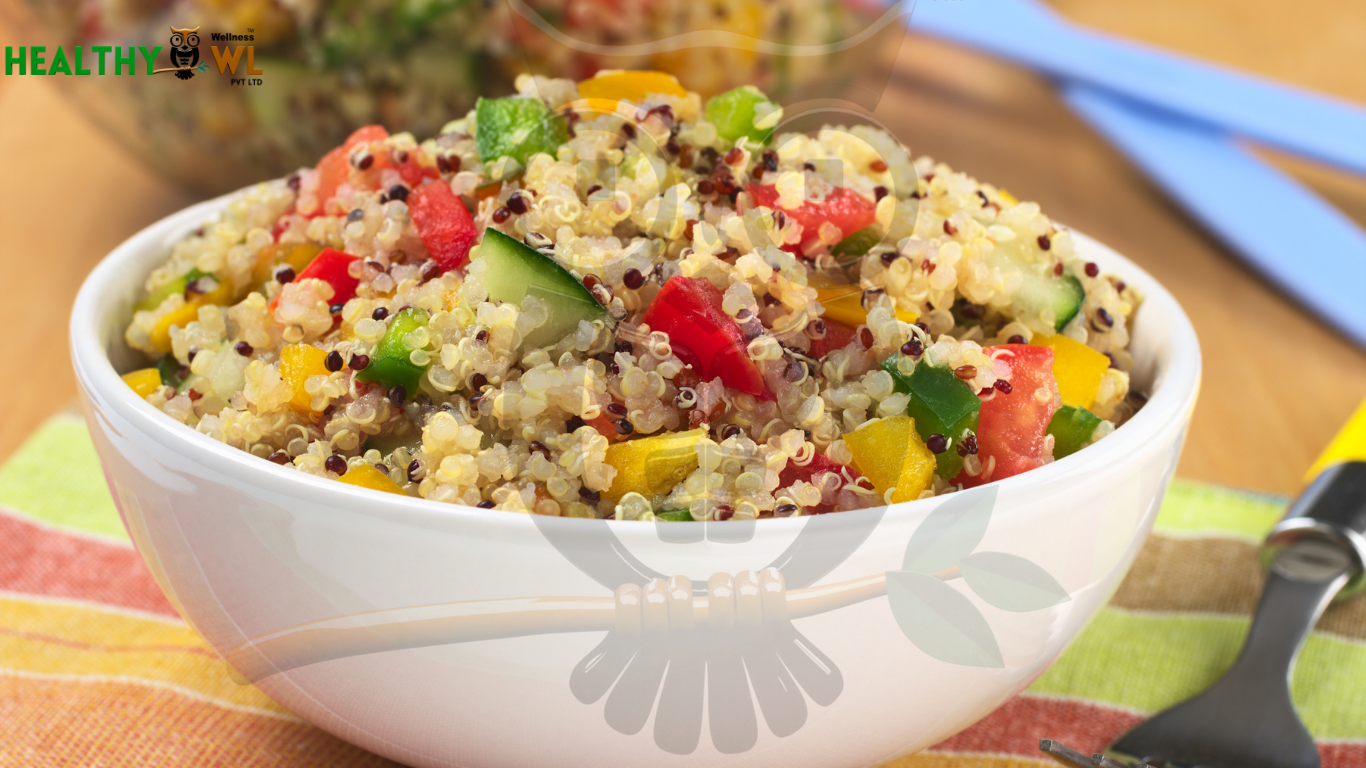
- Millet or brown rice instead of white rice
3. Can I eat sweets during Baisakhi without guilt?
Yes, you can enjoy sweets in moderation. The key is portion control—take small servings, avoid repeated indulgence, and try healthier versions made with dates or jaggery.
4. Why do we tend to overeat during festivals?
Overeating during festivals happens due to emotional eating, social gatherings, tempting high-calorie foods, and irregular meal timings. Being mindful of hunger cues can help control this.
5. What should I eat before attending a festive meal?
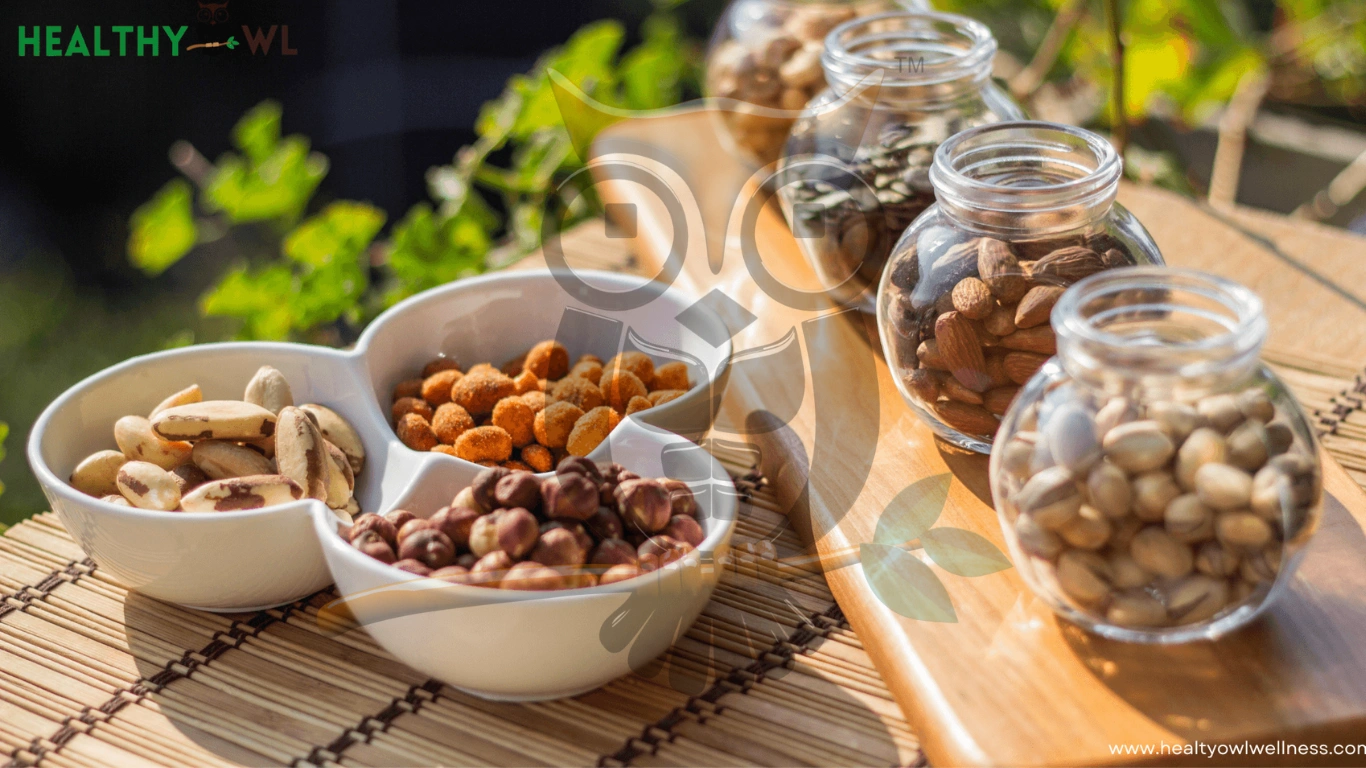
Have a light, protein-rich meal like yogurt, nuts, or a small homemade snack. This helps reduce hunger and prevents overeating at the main meal.
6. Are traditional Baisakhi foods unhealthy?
Not necessarily. Traditional foods can be nutritious, but they often become high in calories due to excess ghee, sugar, and frying. Making small modifications can make them healthier.
7. Is it okay to skip meals to save calories for festive food?
No, skipping meals can backfire and lead to overeating later. It’s better to eat balanced meals throughout the day and control portions during celebrations.
8. What are the best drinks to have during Baisakhi?
Healthy drink options include:
- Lemon water
- Buttermilk (chaas)
- Coconut water
- Herbal teas
Avoid sugary beverages and excess alcohol.
9. How do I get back on track after overeating during festivals?
Don’t panic. Resume your normal routine the next day, stay hydrated, eat light and nutritious meals, and include some physical activity. One meal won’t affect your long-term progress.