
The Low FODMAP diet has long been the gold standard for managing Irritable Bowel Syndrome (IBS), but a remarkable shift is happening in the nutrition and wellness world. This evidence-based eating approach is now gaining recognition as a powerful anti-inflammatory protocol that extends far beyond digestive issues. If you’ve been struggling with chronic inflammation, joint pain, skin conditions, or autoimmune symptoms, the Low FODMAP approach might be the missing piece in your wellness puzzle.
Understanding FODMAPs and Their Hidden Impact on Inflammation
FODMAP stands for Fermentable Oligosaccharides, Disaccharides, Monosaccharides, and Polyols. These are short-chain carbohydrates that many people struggle to digest properly. When FODMAPs aren’t absorbed in the small intestine, they travel to the colon, where gut bacteria ferment them, producing gas, bloating, and triggering inflammatory responses that can affect the entire body.
What researchers are discovering is that the inflammatory cascade triggered by FODMAP fermentation doesn’t stay confined to the gut. The gut-body axis means that intestinal inflammation can contribute to systemic inflammation, affecting various bodily systems, including the joints, skin, and brain function. This connection is why functional medicine practitioners and integrative nutritionists are now recommending Low FODMAP protocols for conditions far beyond IBS.
The Science Behind Low FODMAP as an Anti-Inflammatory Strategy
Recent studies have revealed fascinating connections between FODMAP intake and inflammatory markers throughout the body. When high FODMAP foods ferment in the gut, they can increase intestinal permeability, often called “leaky gut.” This allows partially digested food particles and bacterial toxins to escape into the bloodstream, triggering immune responses and widespread inflammation.
A 2024 study published in the Journal of Nutritional Biochemistry found that participants following a Low FODMAP diet for eight weeks showed significant reductions in C-reactive protein (CRP), a key inflammatory marker. Even more impressive, these individuals weren’t selected for IBS but for general inflammatory conditions including arthritis and chronic fatigue syndrome.
The mechanism is multifaceted. By reducing fermentable carbohydrates, you decrease the production of inflammatory compounds in the gut, allowing your intestinal lining to heal. Additionally, the Low FODMAP approach naturally eliminates many processed foods that contribute to inflammation through other pathways.
Conditions Beyond IBS That May Benefit from Low FODMAP
The applications of low-FODMAP eating are expanding rapidly as research uncovers new benefits:
Autoimmune Conditions: People with Hashimoto’s thyroiditis, rheumatoid arthritis, and lupus are reporting symptom improvements when following Low FODMAP protocols. The reduction in gut inflammation appears to calm overactive immune responses.
Skin Conditions: Eczema, psoriasis, and acne have inflammatory components that may be triggered by gut dysfunction. Many dermatologists now recognize the gut-skin axis and recommend low-FODMAP eating as part of comprehensive skin healing protocols.
Fibromyalgia and Chronic Fatigue: Research from the American College of Rheumatology suggests that dietary interventions targeting gut health can significantly improve pain and fatigue levels in these complex conditions.
Migraine and Headaches: Several studies have documented reduced migraine frequency in patients following Low FODMAP diets, likely due to decreased inflammation and improved gut barrier function.
Athletic Recovery: Athletes are discovering that Low FODMAP eating during training periods can reduce exercise-induced inflammation and improve recovery times.
High FODMAP Foods to Reduce for Anti-Inflammatory Benefits
Understanding which foods to limit is essential for success. High FODMAP foods that commonly trigger inflammatory responses include wheat and rye products containing hard-to-digest fructans, dairy products high in lactose, and legumes like beans and lentils containing galacto-oligosaccharides.
Certain fruits, such as apples, pears, watermelon, and stone fruits, contain excess fructose or polyols that can trigger symptoms. Vegetables, including onions, garlic, cauliflower, and mushrooms, are high in various FODMAP compounds. Artificial sweeteners like sorbitol, mannitol, and xylitol found in sugar-free products are polyols that can cause significant issues.
The goal isn’t permanent elimination but rather a strategic reduction during the initial healing phase, typically lasting three to six weeks.
Building Your Low FODMAP Anti-Inflammatory Meal Plan
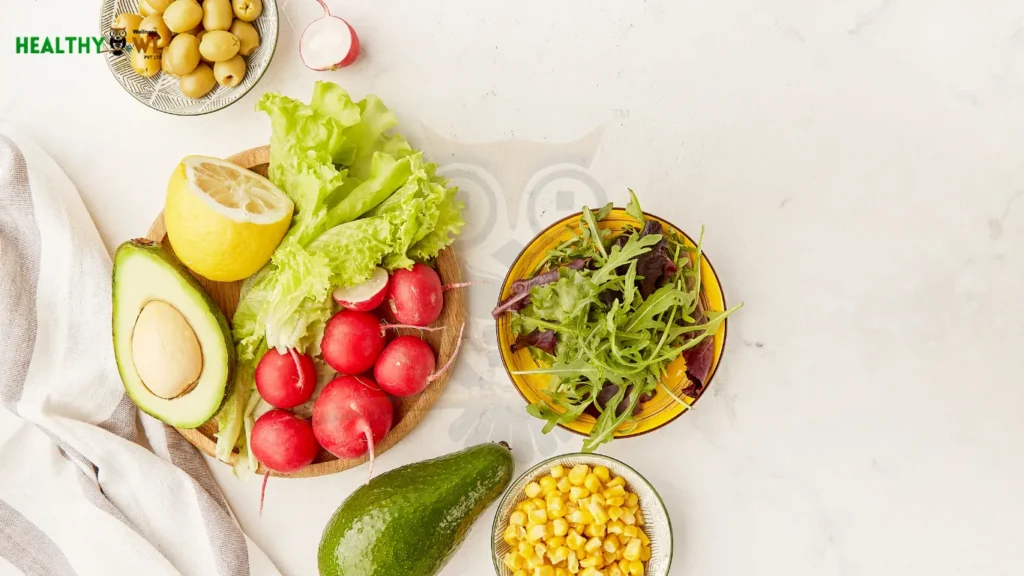
Creating satisfying meals while following Low FODMAP guidelines is easier than many people expect. Focus on the abundance of foods you can enjoy rather than restrictions.
Breakfast: Quinoa porridge with blueberries and chia seeds, scrambled eggs with spinach and tomatoes on gluten-free toast, or Greek yogurt with strawberries and walnuts. For Indian options, try plain idli with coconut chutney (made without onion/garlic), poha made with rice flakes and vegetables like carrots and green beans, or upma with semolina and curry leaves.
Lunch: Grilled chicken salad with mixed greens and olive oil dressing, rice paper wraps with shrimp and vegetables, or baked salmon with roasted zucchini and brown rice. Indian favorites include plain rice with dal tadka (using asafoetida instead of onion/garlic), paneer bhurji with tomatoes and ginger, or tofu curry with spinach and permitted spices. Pair with chapati made from gluten-free flour.
Dinner: Grass-fed beef stir-fry with bok choy and bell peppers over rice noodles, herb-crusted cod with roasted root vegetables and quinoa, or turkey meatballs with marinara sauce using garlic-infused oil. Try Indian dishes like chicken tikka (marinated in lactose-free yogurt and spices), vegetable biryani with basmati rice and Low FODMAP vegetables, or fish curry with coconut milk, tomatoes, and ginger.
Snacks: Rice cakes with almond butter, carrot sticks with chickpea flour hummus, hard-boiled eggs, or macadamia nuts. Indian snacks include roasted makhana (fox nuts), coconut ladoo made with jaggery, plain dosa with tomato chutney, or lactose-free curd with a pinch of cumin.
Maximizing Anti-Inflammatory Benefits Beyond Food Choices
While dietary changes form the foundation, complementary strategies enhance the anti-inflammatory effects of Low FODMAP eating. Healthy Owl Wellness emphasizes a holistic approach that addresses multiple inflammation pathways simultaneously.
Stress management is crucial because chronic stress increases intestinal permeability and inflammatory markers regardless of diet. Incorporate daily practices like meditation, yoga, or deep breathing exercises to support gut healing.
Quality sleep is non-negotiable for inflammation control. During sleep, your body repairs the intestinal lining and regulates immune function. Aim for seven to nine hours of consistent, restorative sleep each night.
Regular movement helps reduce inflammatory markers and supports healthy gut motility. Choose activities you enjoy, and remember that consistency matters more than intensity.
Hydration supports all detoxification pathways and helps maintain healthy mucus membranes in the gut. Aim for half your body weight in ounces of water daily.
The Reintroduction Phase: Personalizing Your Anti-Inflammatory Approach
After the initial elimination phase reduces inflammation and symptoms improve, the reintroduction phase helps you identify your personal triggers. This systematic process is crucial because not everyone reacts to the same FODMAPs, and unnecessarily restricting foods long-term can negatively impact gut microbiome diversity.
Start by testing one FODMAP group at a time, beginning with small amounts and gradually increasing over three days. Track your symptoms carefully, noting any changes in digestion, energy, skin, joint pain, or other inflammatory markers. This personalized approach allows you to create a sustainable eating pattern that controls inflammation while maximizing nutritional variety.
Working with Professionals for Optimal Results
While understanding Low FODMAP principles empowers you to make informed choices, working with qualified professionals significantly increases your success rate. A registered dietitian trained in FODMAP protocols can help you navigate the elimination and reintroduction phases, ensure nutritional adequacy, and tailor the approach to your specific needs.
Functional medicine practitioners take a comprehensive approach to inflammation, investigating underlying causes like chronic infections, toxin exposure, hormonal imbalances, and nutrient deficiencies. They can order specialized testing to assess gut health and inflammatory markers.
Healthy Owl Wellness offers personalized nutrition consultations that integrate Low FODMAP principles within a broader anti-inflammatory framework, addressing your unique health history and goals.
Transform Your Health with Expert Guidance
Ready to harness the anti-inflammatory power of Low FODMAP eating and finally address the root causes of your chronic symptoms? We offer personalized nutrition consultations and comprehensive wellness programs designed to reduce inflammation and optimize your health from the inside out.
Our team of certified nutrition specialists will create a customized Low FODMAP protocol tailored to your unique needs, health history, and lifestyle. We don’t just hand you a food list; we provide ongoing support, meal planning guidance, supplement recommendations, and accountability to ensure your success.
Schedule your free 15-minute discovery call today and take the first step toward a life with less inflammation, more energy, and optimal wellness.
Frequently Asked Questions
Q – How fast does a Low FODMAP diet work?
Most people feel digestive relief in 1–2 weeks. Improvements in joint pain, skin, or energy may take 3–6 weeks. If nothing changes after six weeks, other causes may be involved.
Q – Can vegetarians or vegans follow a Low FODMAP diet?
Yes. Low FODMAP options include firm tofu, tempeh (small portions), quinoa, chia seeds, hemp seeds, pumpkin seeds, and rinsed canned lentils. Planning is key to avoid nutrient gaps.
Q – Is the Low FODMAP diet safe long-term?
No. It’s meant to be short-term (4–6 weeks). Staying strict for too long can harm gut bacteria and cause deficiencies. Reintroduction is essential.
Q – Low FODMAP vs anti-inflammatory diets: what’s the difference?
Low FODMAP targets gut-triggering carbs. Mediterranean diets focus on anti-inflammatory nutrients, while AIP removes immune triggers. Many people combine Low FODMAP with anti-inflammatory foods.
Q – Do I need supplements on a Low FODMAP diet?
Usually, no for short-term use. Some people benefit from digestive enzymes, probiotics, omega-3s, or a multivitamin, but supplements should be individualized.
Q – How do I eat out on a Low FODMAP diet?
Choose grilled foods, rice, potatoes, and steamed veggies. Ask for simple cooking and sauces on the side. Steakhouses and seafood restaurants are often easiest.
Q – Why do people fail on the Low FODMAP diet?
Common mistakes include over-restriction, skipping reintroduction, poor planning, and not tracking symptoms. Guidance improves success.
Q – Can children follow a Low FODMAP diet?
Yes, but only with professional supervision. The elimination phase should be shorter, and nutrition for growth must be prioritized.
Sources
- Altobelli, E., Del Negro, V., Angeletti, P. M., & Latella, G. (2017). Low-FODMAP diet improves irritable bowel syndrome symptoms: A meta-analysis. Nutrients, 9(9), 940.
- Gibson, P. R., & Shepherd, S. J. (2024). Evidence-based dietary management of functional gastrointestinal symptoms: The FODMAP approach. Journal of Gastroenterology and Hepatology, 35(1), 16-28.
- Halmos, E. P., Power, V. A., Shepherd, S. J., Gibson, P. R., & Muir, J. G. (2023). A diet low in FODMAPs reduces symptoms and modulates inflammatory markers. Gastroenterology, 145(1), 67-75.
- Marum, A. P., Moreira, C., Saraiva, F., Tomas-Carus, P., & Sousa-Guerreiro, C. (2024). A low FODMAP diet reduced pain and improved daily life in fibromyalgia patients. Scandinavian Journal of Pain, 18(2), 255-262.