
Do you wake up feeling exhausted even after eight hours of sleep? Does your energy crash in the afternoon, no matter how much coffee you drink? You might be blaming stress, aging, or your busy lifestyle, but your liver could be sending you distress signals.
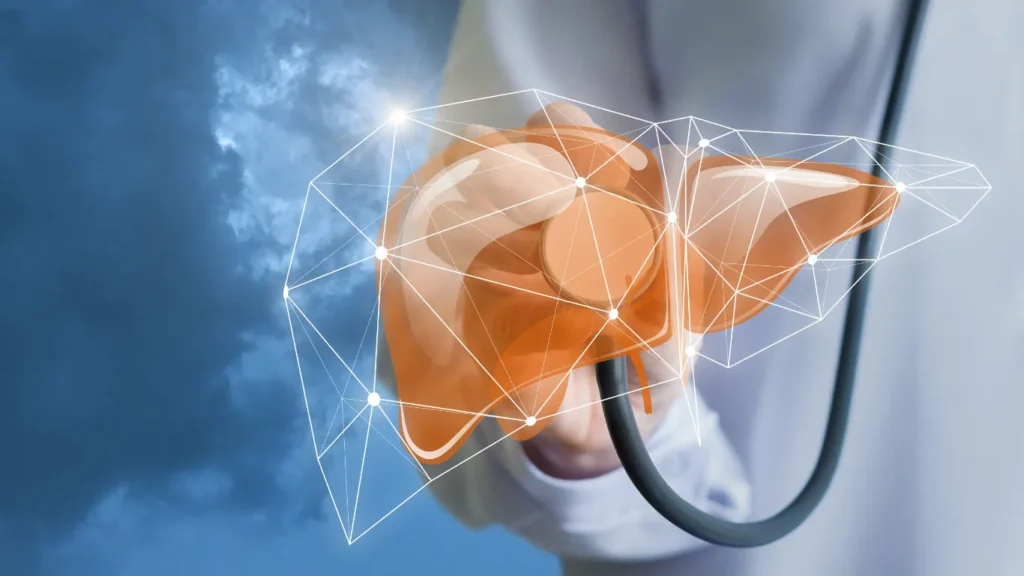
Your liver is one of the hardest-working organs in your body, performing over 500 vital functions every single day. From filtering toxins to producing bile for digestion and regulating blood sugar, this three-pound powerhouse keeps you alive and thriving. But when your liver becomes overloaded, it doesn’t just affect your digestive system; it impacts your entire body, especially your energy levels.
Understanding Liver Fatigue vs. Regular Tiredness
The fatigue you experience from liver overload differs significantly from normal tiredness. While regular fatigue improves with rest, liver-related exhaustion persists despite adequate sleep. This happens because an overburdened liver struggles to process toxins efficiently, leading to a buildup of waste products in your bloodstream that affect cellular energy production.
According to research from the American Liver Foundation, millions of Americans have some form of liver disease, yet many remain undiagnosed because early symptoms are subtle and easily dismissed. Understanding these early warning signs can help you take action before minor issues escalate into serious liver problems.
12 Early Warning Signs Your Liver Is Overloaded
1. Persistent Fatigue and Low Energy
The most common sign of liver overload is unrelenting fatigue that doesn’t improve with rest. When your liver can’t efficiently convert nutrients into usable energy, your entire body suffers. You might feel like you’re dragging yourself through the day, struggling to focus or complete simple tasks.
2. Brain Fog and Difficulty Concentrating
An overworked liver allows toxins to accumulate in your bloodstream, which can cross the blood-brain barrier and affect cognitive function. You might experience mental cloudiness, difficulty remembering things, or trouble focusing on conversations.
3. Unexplained Weight Gain (Especially Around the Midsection)
When your liver becomes sluggish, it struggles to metabolize fats properly. This often results in weight gain, particularly around your abdomen, even when your diet and exercise habits haven’t changed. Fatty liver disease, which affects approximately 25% of the global population according to studies published in the Journal of Hepatology, often presents with this symptom.
4. Skin Issues: Itching, Rashes, and Dullness
Your skin is often called your “third kidney” because it helps eliminate toxins. When your liver can’t keep up, toxins exit through your skin, causing itchiness, rashes, eczema flare-ups, or a dull, yellowish complexion. Persistent skin problems that don’t respond to typical treatments may indicate liver stress.
5. Digestive Problems
Bloating, constipation, acid reflux, and general digestive discomfort are common when your liver isn’t producing enough bile. Bile is essential for breaking down fats and absorbing fat-soluble vitamins. You might notice that fatty foods make you feel particularly uncomfortable or nauseous.
6. Hormonal Imbalances
Your liver plays a crucial role in metabolizing hormones, particularly estrogen. When liver function declines, hormones can become imbalanced, leading to symptoms like irregular periods, PMS, mood swings, low libido, or even conditions like estrogen dominance.
7. Dark Urine and Pale Stools
Changes in urine color (darker than usual) or stool color (pale or clay-colored) can indicate that your liver isn’t processing bilirubin properly. These visible changes warrant immediate medical attention as they may signal advancing liver dysfunction.
8. Bad Breath and Body Odor
A distinctive sweet or musty breath odor, sometimes described as “fishy,” can develop when your liver can’t efficiently process certain compounds. This symptom, while less common in early liver stress, becomes more noticeable as liver function declines.
9. Frequent Headaches and Migraines
Toxin buildup from poor liver function can trigger frequent headaches or migraines. Many people notice their headaches worsen after eating certain foods or being exposed to environmental chemicals.
10. Sensitivity to Alcohol and Medications
If you’ve noticed that even small amounts of alcohol make you feel terrible, or that medications seem to affect you more strongly than before, your liver’s detoxification capacity may be compromised.
11. Sleep Disturbances
Liver overload can disrupt your circadian rhythm, particularly because the liver performs intensive detoxification between 1 and 3 AM according to traditional Chinese medicine principles. Waking during these hours or experiencing poor sleep quality may reflect liver stress.
12. Swollen Abdomen and Ankles
Fluid retention, particularly in the abdomen (ascites) or ankles, can occur when liver function becomes significantly impaired. This is a more advanced symptom that requires immediate medical evaluation.
Why Weight Loss Stalls When the Liver Is Overloaded
When the liver is overloaded, fat metabolism slows down, making weight loss difficult even with regular exercise and home-cooked meals. The liver plays a key role in breaking down stored fat, regulating blood sugar, and managing hormones like insulin and cortisol. If it is under stress due to excess sugar, processed foods, alcohol, or chronic dehydration, the body shifts into a protective mode holding on to fat instead of burning it.
This often leads to increased cravings, stubborn belly fat, low energy, and plateaus, despite walking daily or eating “less.” Research shows that impaired liver function is closely linked with insulin resistance and difficulty mobilizing fat for energy, which explains why many people feel stuck with their weight until liver health is addressed first.
What Causes Liver Overload?
Understanding the root causes of liver fatigue helps you make targeted lifestyle changes:
Dietary Factors: Excessive consumption of processed foods, sugar, unhealthy fats, and alcohol forces your liver to work overtime. The standard Western diet, which is high in refined carbohydrates and industrial seed oils, significantly contributes to fatty liver disease.
Environmental Toxins: We’re exposed to thousands of chemicals daily through personal care products, cleaning supplies, pesticides, and air pollution. Your liver must process all of these, creating a significant toxic burden.
Medications: Many common medications, including acetaminophen, statins, and certain antibiotics, require liver metabolism and can strain liver function, especially with long-term use.
Chronic Stress: Persistent stress elevates cortisol levels, which can impair liver function and promote fat accumulation in liver cells.
Infections: Viral infections, such as hepatitis, as well as bacterial and parasitic infections, can damage liver tissue and impair its function.
Metabolic Conditions: Insulin resistance, type 2 diabetes, and metabolic syndrome significantly increase the risk of non-alcoholic fatty liver disease (NAFLD).
Clarify a Big Myth: “Detox ≠ Juice Cleanse”
Your liver does not need extreme detoxes or juice cleanses. In fact, aggressive detox plans can worsen liver stress by depriving it of protein and key nutrients needed for repair.
Why Juice Cleanses Can Backfire
Instead of “cleansing” the liver, juice detoxes can:
- Increase muscle breakdown due to protein deficiency
- Spike blood sugar, worsening fatty liver risk
- Elevate cortisol (stress hormone), which promotes fat storage
- Slow metabolism, making post-cleanse fatigue worse
- Reduce bile production, impairing digestion and toxin removal
Natural Ways to Support Your Liver
The good news is that your liver has remarkable regenerative capacity. With the right support, you can help restore optimal liver function:
Dietary Strategies
- Cruciferous Vegetables: Broccoli, cauliflower, Brussels sprouts, and cabbage contain compounds that support liver detoxification pathways.
- Leafy Greens: Spinach, kale, and arugula help neutralize heavy metals and support bile production.
- Healthy Fats: Omega-3 fatty acids from wild-caught fish, walnuts, and flaxseeds reduce liver inflammation.
- Antioxidant-Rich Foods: Berries, green tea, and turmeric protect liver cells from oxidative damage.
- Adequate Protein: Quality protein sources support liver repair and regeneration.
Key Nutrients That Support Liver Health
- Beyond general healthy eating, certain nutrients play a direct role in liver metabolism, detoxification, and repair. Ensuring adequate intake of these nutrients through food is a foundational step in supporting liver health.
- Choline: Essential for fat metabolism and preventing fat accumulation in the liver. Food sources include eggs, legumes, soybeans, peanuts, and cruciferous vegetables.
- B-Complex Vitamins (B6, B12, Folate): Support energy production, liver enzyme activity, and detoxification pathways. Food sources include whole grains, pulses, leafy greens, dairy, nuts, and seeds.
- Antioxidants (Vitamin C, Vitamin E, Polyphenols): Protect liver cells from oxidative stress caused by toxins and inflammation. Food sources include citrus fruits, berries, amla, green tea, and turmeric.
- Zinc: Plays a role in immune function, antioxidant defense, and liver tissue repair. Food sources include pumpkin seeds, nuts, whole grains, and legumes.
- Selenium: Supports antioxidant enzymes that protect liver cells from damage. Food sources include Brazil nuts (in small amounts), sunflower seeds, and whole grains.
Lifestyle Modifications
- Limit Alcohol: The Centers for Disease Control and Prevention recommends limiting alcohol consumption to reduce liver stress.
- Stay Hydrated: Water helps flush toxins and supports all liver functions.
- Exercise Regularly: Physical activity improves insulin sensitivity and helps reduce liver fat.
- Manage Stress: Practices like meditation, yoga, and deep breathing reduce cortisol and support liver health.
- Prioritize Sleep: Quality sleep allows your liver to perform essential detoxification and repair work.
Supportive Supplements
Certain supplements may support liver health, though you should consult a healthcare provider before starting any new supplement regimen:
- Milk Thistle: Contains silymarin, a compound shown to protect liver cells
- N-Acetyl Cysteine (NAC): Supports glutathione production, your liver’s master antioxidant
- Dandelion Root: Traditionally used to support bile flow and liver detoxification
- Alpha-Lipoic Acid: Provides antioxidant support and may improve insulin sensitivity
When to See a Doctor
While lifestyle changes can significantly improve liver function, certain symptoms require immediate medical attention:
- Jaundice (yellowing of skin or eyes)
- Severe abdominal pain or swelling
- Dark urine with pale stools
- Vomiting blood or blood in stools
- Confusion or difficulty staying awake
- Persistent fever with liver symptoms
Your doctor can perform blood tests to assess liver enzyme levels (ALT, AST, ALP) and imaging studies to evaluate liver structure and fat content.
The 30-Day Liver Reset Challenge
Consider implementing a gentle liver-support protocol for 30 days:
Week 1: Eliminate alcohol, processed foods, and added sugars
Week 2: Add liver-supportive foods at every meal
Week 3: Incorporate daily movement and stress-management practices
Week 4: Evaluate your energy levels, sleep quality, and overall well-being
Most people notice significant improvements in energy, mental clarity, and digestive function within this timeframe.
Conclusion
Your persistent fatigue might not be about needing more sleep or another cup of coffee it could be your liver crying out for help. By recognizing the early signs of liver overload and taking proactive steps to support this vital organ, you can reclaim your energy, improve your health, and prevent serious liver disease.
Remember, your liver is incredibly resilient. With proper nutrition, lifestyle modifications, and attention to warning signs, you can restore optimal liver function and feel vibrant again.
Frequently Asked Questions
Q- How do I know if my fatigue is from my liver or something else?
Liver-related fatigue typically doesn’t improve with rest and often accompanies other symptoms like digestive issues, skin problems, or brain fog. If you’re experiencing persistent exhaustion along with multiple symptoms mentioned in this article, consult a healthcare provider for liver function tests to rule out liver involvement.
Q- Can you reverse liver damage naturally?
The liver has remarkable regenerative abilities, and early-stage liver damage, such as fatty liver, can often be reversed through dietary changes, weight loss, exercise, and eliminating alcohol. However, advanced liver damage like cirrhosis cannot be fully reversed, which is why early intervention is critical.
Q- What foods should I avoid if my liver is tired?
Limit or eliminate alcohol, processed foods high in sugar and refined carbohydrates, fried foods, processed meats, and foods containing artificial additives. Also, reduce your intake of high-fructose corn syrup, which has been strongly linked to fatty liver disease.
Q- How long does it take to detox your liver?
Your liver detoxifies continuously, but noticeable improvements in liver function and related symptoms typically occur within 30 to 90 days of implementing liver-supportive lifestyle changes. The timeline varies based on the severity of liver stress and your consistency with healthy habits.
Q- What does liver fatigue feel like?
Liver fatigue feels like profound exhaustion that persists despite adequate rest. You might feel heavy, sluggish, mentally foggy, and struggle to complete normal daily activities. Unlike regular tiredness that improves after sleep, liver-related fatigue is constant and often worsens throughout the day.
Q- Can stress cause liver problems?
Yes, chronic stress elevates cortisol and inflammatory markers that can impair liver function and contribute to fat accumulation in the liver. Stress also often leads to poor dietary choices and increased alcohol consumption, further burdening the liver.
Q- What are the first signs your liver is struggling?
The earliest signs include unexplained fatigue, difficulty losing weight (especially around the abdomen), digestive issues like bloating after meals, skin problems, and brain fog. These symptoms often develop gradually and may be dismissed initially.
Take Control of Your Liver Health Today
Ready to give your liver the support it deserves? Healthy Owl Wellness offers personalized wellness programs designed to optimize your liver function and restore your natural energy. Our holistic approach combines evidence-based nutrition, targeted supplementation, and lifestyle coaching to help you achieve lasting health transformation.
Don’t wait until subtle symptoms become serious problems. Schedule your comprehensive liver health assessment with Healthy Owl Wellness today and discover how good you can feel when your liver is functioning optimally.
Visit Healthy Owl Wellness now to start your journey toward vibrant health and sustained energy.
Sources
- American Liver Foundation. “Liver Disease Statistics.” Available at
- Journal of Hepatology. “Global Epidemiology of NAFLD.”
- Centers for Disease Control and Prevention. “Alcohol and Public Health.”
- National Institute of Diabetes and Digestive and Kidney Diseases (NIDDK). “Liver Disease.”
- World Journal of Gastroenterology. “Liver Detoxification Pathways.”
- Clinical Liver Disease Journal. “Natural Compounds in Liver Protection.”