

You think you’re saving calories. Your body thinks it’s under attack. Here’s the real science behind what happens every time you miss a meal.
Skipping breakfast to look slimmer. Powering through lunch because the meeting ran long. Telling yourself you’ll eat “later” and somehow never doing it. Sound familiar? Millions of people skip meals every day, often believing it’s a harmless shortcut or even a strategy for weight control. But the science tells a very different story.
The hidden cost of skipping meals reaches far beyond hunger pangs. It quietly rewires your hormonal balance, sabotages your gut microbiome, and sends your mood and mental clarity into a tailspin. If you’ve ever wondered why your energy crashes in the afternoon, why you feel inexplicably anxious before dinner, or why you devour an entire packet of biscuits at 10 PM, irregular eating patterns are very likely at the root of it.
Let’s break down exactly what happens system by system when you skip a meal.
Hormonal Chaos: How Skipping Meals Disrupts Your Body’s Chemistry
The moment you skip a meal, your body interprets the absence of food not as discipline, but as danger. Your endocrine system the network of glands that produces and regulates hormones responds immediately, and not in ways that support fat loss or metabolic health.
Cortisol Spikes: The Stress Hormone Surge
Within a few hours of missing a meal, your adrenal glands release a surge of cortisol, your primary stress hormone. Cortisol’s job is to mobilize energy during perceived threats and from your body’s evolutionary standpoint, not eating is a threat. Research published in the Journal of Clinical Endocrinology & Metabolism found that fasting-induced cortisol elevations directly promote fat storage, particularly around the abdomen. So while you may be eating fewer calories, elevated cortisol can actually cause your body to hold onto fat more stubbornly than if you had simply eaten a balanced meal.
Insulin Instability and the Blood Sugar Rollercoaster
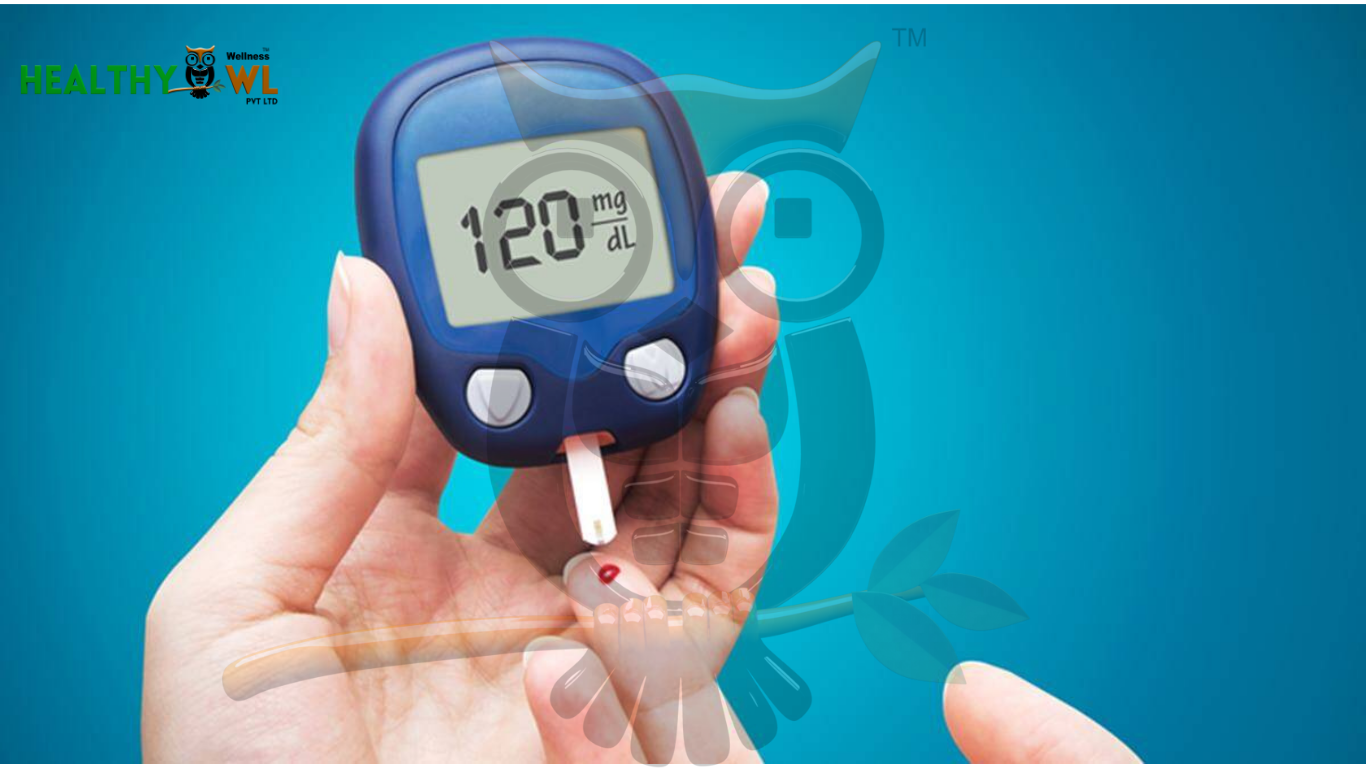
Skipping meals creates erratic blood glucose fluctuations. When you finally eat after a long gap often something high in sugar or refined carbohydrates your pancreas releases a sharp spike of insulin to manage the sudden glucose load. This insulin surge can lead to reactive hypoglycemia, where blood sugar drops too quickly, leaving you feeling shaky, foggy, and reaching for even more sugar. According to research from the American Journal of Clinical Nutrition, irregular meal timing is associated with poorer glycemic control even in otherwise healthy individuals.
Does Skipping Meals Slow Metabolism?
Yes and this is the irony that trips up many people. When you skip meals repeatedly, the body activates a survival mechanism called adaptive thermogenesis. Your basal metabolic rate the number of calories your body burns at rest decreases to conserve energy. Studies show that irregular meal frequency is linked to a measurable reduction in the thermic effect of food (TEF), meaning your body becomes less efficient at burning calories even when you do eat. If you’ve been skipping meals hoping to speed up weight loss, this mechanism is working directly against you.Rise in cortisol by 30% after a skipped meal in stress-prone individuals. Higher insulin spike risk by 2–3x when eating high-GI food after a meal gap.
Key Takeaway: Skipping meals is not a metabolic shortcut it’s a hormonal stress signal. Cortisol rises, insulin becomes unstable, and your metabolism adapts by slowing down. Understanding the relationship between meal timing and metabolic health is the first step to building a truly sustainable eating rhythm.
Gut Shutdown Mode: What Long Meal Gaps Do to Your Digestive System
Your gut is not a passive pipe. It is an extraordinarily active ecosystem — home to trillions of bacteria, a sophisticated enteric nervous system (sometimes called the “second brain”), and a precisely timed sequence of digestive processes that depend heavily on regular food intake to function correctly.
Digestive Enzyme Reduction
Your stomach, pancreas, and small intestine produce digestive enzymes in anticipation of food. This process is partly conditioned by the circadian rhythm and your habitual meal schedule. When you skip meals regularly, your body receives inconsistent signals, and enzyme production becomes unreliable. Less enzyme availability means that when you do eat, your food is not broken down as efficiently — leading to bloating, gas, and incomplete nutrient absorption. A review in Gut Microbes highlighted that irregular feeding patterns significantly disrupt the enzymatic activity of gut-associated tissues.
Gut Motility Slows Down
Food intake stimulates the migrating motor complex (MMC) rhythmic muscular contractions that sweep food and bacteria through the gastrointestinal tract between meals. When meal timing is erratic, MMC activity becomes disorganized. The result? Slower gut transit time, increased bacterial overgrowth risk in the small intestine (a precursor to SIBO), constipation, and paradoxically more pronounced bloating despite eating less.
Acidity and the Hunger-Acid Link
Your stomach produces hydrochloric acid on a schedule linked to your normal meal times. If you’re accustomed to eating at noon but skip lunch, your stomach still acidifies on schedule but with nothing to digest. This excess acid can irritate the stomach lining, contributing to nausea, acid reflux, and over time, gastritis. People who regularly skip meals are significantly more likely to report GERD symptoms compared to those who eat consistently.
Impact on the Gut Microbiome
Perhaps most concerning is the effect of irregular eating on your gut microbiota. The beneficial bacteria in your gut Lactobacillus, Bifidobacterium, and hundreds of other species are highly sensitive to feeding schedules. Research published in Cell has shown that disrupting the timing of food intake (even without changing the composition of the diet) reduces microbial diversity, weakens the gut lining, and increases intestinal permeability a condition associated with systemic inflammation, food sensitivities, and impaired immunity. If you’ve been struggling with bloating, irregular bowel habits, or food intolerances, your meal timing could be a significant contributing factor. Explore our gut health restoration guide for practical steps to reset your digestive rhythm.
Key Takeaway: Your gut runs on routine. Every skipped meal disrupts enzyme production, slows gut motility, increases acid exposure, and destabilizes your microbiome. Irregular eating doesn’t just affect digestion it affects immunity, inflammation, and nutrient absorption at a foundational level.
Mood, Anxiety & Cravings: The Brain-Gut-Blood Sugar Triangle
If you’ve ever snapped at someone before lunch, felt inexplicably anxious mid-afternoon, or found yourself standing in front of the fridge at 11 PM eating things you swore you wouldn’t you’ve experienced the mood consequences of skipping meals. These are not character flaws. They are predictable neurobiological responses.
Low Blood Sugar and Irritability
The brain is the most glucose-hungry organ in your body, consuming roughly 20% of your total energy supply despite being only 2% of your body weight. When blood glucose falls as it inevitably does after a missed meal the brain interprets this as a neurological emergency. Stress hormones spike, emotional regulation becomes impaired, and you become more reactive, irritable, and short-tempered. This is often dismissed as being “hangry” (hungry + angry), but it is a genuine physiological state backed by substantial neuroscience research.
Brain Fog and Cognitive Decline
Skipping meals and the resulting blood sugar instability impairs working memory, attention span, and executive function the cognitive abilities needed for decision-making, focus, and problem-solving. A study from the British Journal of Nutrition found that adolescents and adults who skipped breakfast showed measurably worse cognitive performance on memory and attention tasks compared to those who ate regularly. Irregular eating patterns are increasingly being studied in connection with brain fog a state of mental sluggishness, difficulty concentrating, and reduced mental clarity that many people experience daily without understanding its nutritional cause.
The Sugar Craving Cascade
After a period of low blood sugar, your body signals intensely for quick energy and the fastest source of energy the brain can identify is sugar. This is why skipping a meal almost always leads to intense cravings for high-sugar, high-carbohydrate foods. The cruel irony is that these foods cause the very insulin spike-and-crash cycle that perpetuates the problem, locking many people into a loop of restriction, craving, overeating, and guilt. This cycle is not a willpower failure. It is a predictable hormonal consequence of irregular meal timing.
The Anxiety-Meal Connection
Cortisol and adrenaline both released in response to low blood sugar are the same hormones activated during an anxiety response. For individuals already prone to anxiety, skipping meals can trigger or worsen anxiety symptoms that feel entirely disconnected from food. If you experience unexplained afternoon anxiety or restlessness before meals, your meal schedule deserves serious attention as a contributing factor.
Key Takeaway: Your brain, hormones, and gut are in constant communication. When meal timing is irregular, this communication breaks down producing a cascade of irritability, brain fog, anxiety, and cravings that feel impossible to control but are, in fact, entirely predictable and addressable through consistent nourishment.
Serotonin, the Gut-Brain Axis & Meal Timing
Most people associate serotonin with happiness a brain chemical that lifts your mood when things go well. But here’s what surprises most people: approximately 90% of the body’s serotonin is produced in the gut, not the brain. And its role goes far beyond mood. Serotonin regulates sleep quality, appetite control, pain perception, and critically gut motility itself. In other words, the same chemical that makes you feel emotionally stable is also responsible for keeping your digestive system moving properly.
What determines how well your gut produces serotonin? Four key factors: a steady supply of the amino acid tryptophan (found in dietary protein), a healthy and diverse gut microbiome, stable blood glucose levels, and regular gut motility supported by consistent meal timing. Disrupt any one of these, and serotonin production takes a hit. Skip meals regularly, and you disrupt all four simultaneously.
What Happens Inside Your Body When You Skip a Meal
Here is the precise sequence of events, explained simply. When you miss a meal, tryptophan the raw material your gut cells use to manufacture serotonin stops arriving on schedule. Think of it like a factory that runs out of raw materials: production slows, and the output (serotonin) drops. At the same time, falling blood sugar triggers a cortisol surge. Elevated cortisol actively competes with and suppresses serotonin signalling pathways, tipping the body away from a calm, regulated state and toward a stress-dominant one. The longer the meal gap, the deeper this shift.
Meanwhile, your gut microbiome which plays a direct role in serotonin biosynthesis begins to destabilise. A landmark study by Yano JM et al., published in Cell (2015), demonstrated that specific gut microbes directly stimulate the enterochromaffin cells lining the gut to produce serotonin. Irregular feeding patterns alter microbial composition and reduce these microbial signals, quietly diminishing one of your body’s most important mood-regulating systems. And since serotonin also governs the muscular contractions that move food through your intestines, disrupted serotonin signalling contributes directly to the bloating, constipation, and sluggish digestion that many people experience without ever connecting it to irregular eating.
The Gut-Brain Communication Loop: Your gut and brain are in constant two-way communication via the vagus nerve a pathway known as the gut-brain axis. Serotonin is one of the primary messengers in this system. When meal skipping disrupts serotonin production in the gut, the brain receives weaker, less stable signals contributing to mood swings, irritability, poor sleep, heightened anxiety, and intensified sugar cravings. This is not a psychological weakness. It is a biological consequence of an undersupplied gut.
Over time, the cumulative effect of irregular eating on the gut-brain axis creates a feedback loop that is difficult to break without addressing meal timing directly. Mood becomes harder to regulate. Sleep quality declines. Cravings intensify. And because all of these feel like emotional or willpower issues, the underlying nutritional cause is often missed entirely.
What to Do Instead: Building a Sustainable Eating Rhythm
None of this means you must eat six meals a day or follow a rigid schedule. What matters is consistency and intention. Here are evidence-based strategies to support hormonal balance, gut health, and stable mood through better meal timing.
Start by eating within one to two hours of waking even something small like a boiled egg, Greek yoghurt, or a handful of nuts signals to your body that the fast is over and begins calibrating your digestive enzymes, cortisol rhythm, and insulin sensitivity for the day ahead. From there, aim for meals spaced three to five hours apart, which aligns with the natural rhythm of your migrating motor complex and prevents the blood sugar crashes that drive cravings and mood disruption.
Prioritize protein and fiber at each meal. Both slow gastric emptying, stabilize blood glucose, and feed the beneficial bacteria in your gut microbiome. If you genuinely cannot eat a full meal, a well-composed snack — not a processed bar — bridges the gap without triggering the stress response that a complete fast provokes.
Finally, consider working with a qualified nutrition professional who can help you build a personalized eating schedule that supports your hormonal health, gut function, and energy. At Healthy Owl Wellness, our team specializes in precisely this kind of holistic, science-backed nutritional guidance.
Frequently Asked Questions
Q – What happens to your body when you skip a meal?
When you skip a meal, your blood sugar drops and stress hormones like cortisol rise. This can slow your metabolism, reduce digestion, and cause irritability, brain fog, and sugar cravings. Over time, it can disrupt hormones and gut health.
Q – Does skipping meals slow your metabolism?
Yes. Repeatedly skipping meals can lower your resting metabolism. Your body enters “survival mode” and burns fewer calories, which can make weight management harder.
Q – Can skipping meals cause anxiety or mood swings?
Yes. Low blood sugar triggers stress hormones like cortisol and adrenaline. This can lead to irritability, mood swings, poor focus, and increased anxiety.
Q – Why does skipping meals cause bloating?
Irregular eating disrupts gut movement and digestive enzyme production. This slows digestion, increases gas buildup, and leads to bloating.
Q – How many hours should you wait between meals?
For most people, eating every 3–5 hours supports stable blood sugar, better digestion, and steady energy levels.
Q – Is skipping breakfast bad for you?
For most people, yes. Skipping breakfast can increase cravings, disrupt cortisol balance, and reduce focus. Eating within 1–2 hours of waking supports better energy and metabolic health.
Ready to Nourish Your Body the Right Way?
At Healthy Owl Wellness, we help you build a personalized nutrition rhythm that works with your hormones, gut, and mind not against them. Book a consultation with our wellness team today.
Book Your Free Wellness Consultation →
Sources & References
- Sonnenburg JL & Bäckhed F. (2016). “Diet–microbiota interactions as moderators of human metabolism.” Nature. nature.com
- Zarrinpar A, et al. (2014). “Diet and Feeding Pattern Affect the Diurnal Dynamics of the Gut Microbiome.” Cell Metabolism. cell.com/cell-metabolism
- Smith A, et al. (2010). “Breakfast cereal and caffeinated coffee: Effects on working memory, attention, mood, and cardiovascular function.” Physiology & Behavior.
- Lim SS, et al. (2020). “Gut motility, microbiome integrity, and the role of regular feeding schedules.” Gut Microbes. tandfonline.com