

Most parents think of food as fuel something to keep their children energised through a busy school day or a weekend of play. But emerging science tells a more profound story. The foods children eat in their earliest years don’t just support today’s growth; they quietly write the blueprint for their adult health. From the strength of their immune system to their risk of developing diabetes or heart disease decades later, the dietary choices made during childhood have consequences that stretch across a lifetime.
The scale of the problem makes this understanding urgent. According to the World Health Organization (WHO), nearly 45% of all deaths among children under five years of age are linked to undernutrition. Meanwhile, the 2025 UNICEF-WHO-World Bank Joint Malnutrition Report estimates that 150.2 million children under five were stunted in 2024, and 42.8 million were wasted numbers that represent not just statistics, but lost potential on a staggering scale. This is not a cause for anxiety, it is a call to action. In this blog, we explore three pillars of that connection: the remarkable importance of the first 1,000 days of life, the central role of gut health in building lifelong immunity, and the practical ways parents and schools can shape healthier futures for children.
The First 1,000 Days: A Window Like No Other
The phrase “first 1,000 days” refers to the period stretching from conception through a child’s second birthday. Nutritionists and paediatricians worldwide regard this phase as the single most critical window for human development. During these roughly two and a half years, the brain forms millions of neural connections every second, the immune system begins its long process of calibration, metabolic patterns are established, and the gut microbiome, the vast community of microorganisms living in the digestive tract takes shape.
What makes this window so powerful is its irreversibility. Unlike later stages of life, where healthy habits can still yield meaningful improvements, the cellular and biological foundations laid during the first 1,000 days are largely set. Adequate nutrition during this phase reduces the risk of obesity, type 2 diabetes, cardiovascular disease, learning difficulties, and weakened immunity later in life. Conversely, nutritional deficiencies or poor dietary patterns during this window can trigger biological changes that persist for decades, even into the next generation.
Maternal nutrition during pregnancy is the starting point. A mother’s intake of folate, iron, iodine, omega-3 fatty acids, and protein directly influences foetal brain growth and organ development. After birth, breastfeeding provides not just calories, but a carefully designed cocktail of antibodies, natural prebiotics, and beneficial bacteria that seed the infant’s gut. When solid foods are introduced ideally around six months diversity matters enormously. Exposing infants and toddlers to a wide range of vegetables, fruits, legumes, and whole grains helps the gut microbiome develop the complexity it needs to protect health for life.
Gut Health in Childhood: The Immunity Connection
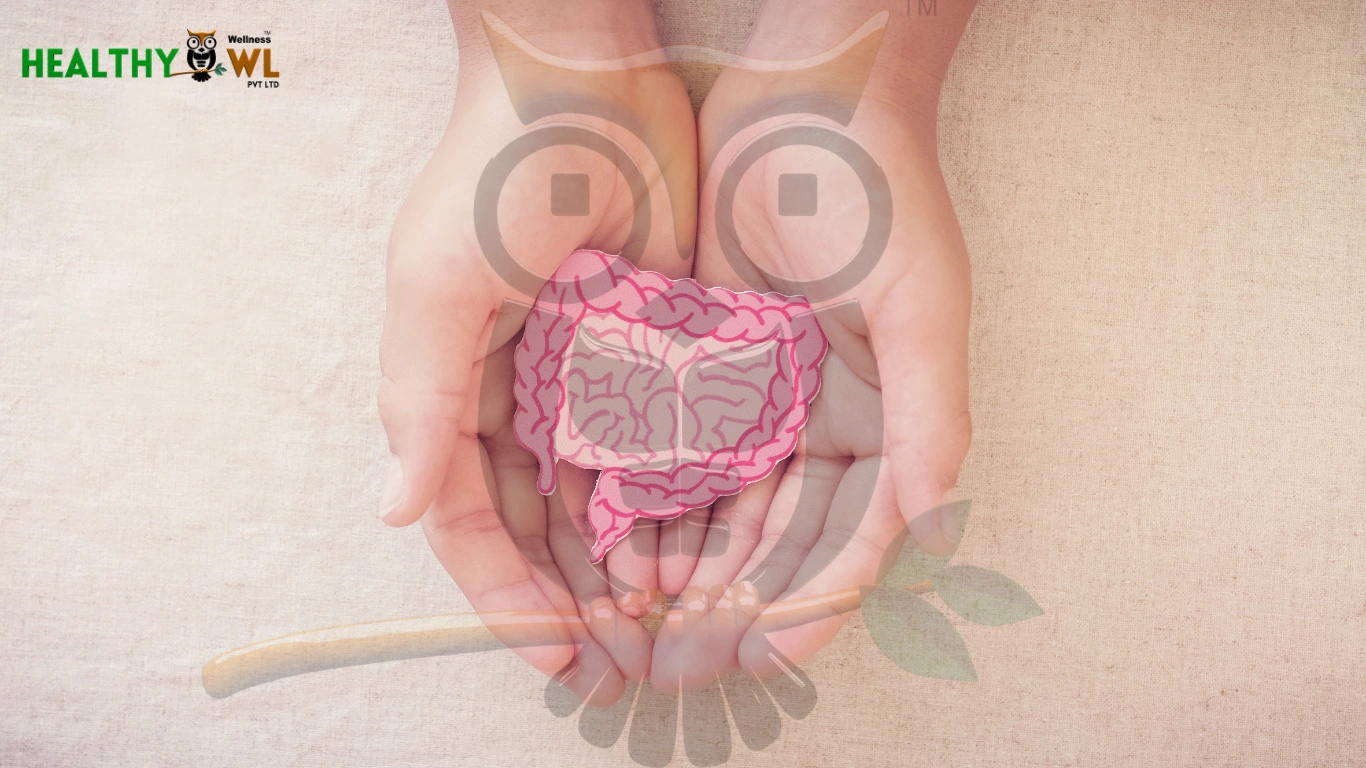
One of the most significant scientific discoveries of recent decades is the central role the gut plays in overall health. Approximately 70 to 80 percent of the immune system is housed within the gastrointestinal tract. The gut microbiome, trillions of bacteria, fungi, and other microorganisms, acts as a command centre for immune function, inflammation regulation, nutrient absorption, and even mental wellbeing.
When a child’s microbiome is diverse and well-nourished, it produces protective compounds that fight off pathogens, reduce inflammation, and train the immune system to distinguish between threats and harmless substances. This is why children with healthy gut ecosystems tend to experience fewer infections, lower rates of allergies, and reduced risk of autoimmune conditions.
The foods children eat directly shape this ecosystem. Fibre-rich foods fruits, vegetables, whole grains, lentils, and legumes provide the nourishment that beneficial gut bacteria thrive on. Fermented foods such as yogurt, curd, and traditional buttermilk introduce live beneficial bacteria (probiotics) into the gut. Prebiotic foods like bananas, oats, garlic, and onions feed those bacteria and help them flourish. Healthy fats from nuts, seeds, and traditional cooking oils support both brain development and the integrity of the gut lining.
On the other side of the equation, diets dominated by ultra-processed foods, refined sugars, and artificial additives actively disrupt gut balance. They reduce microbial diversity, promote the growth of harmful bacteria, and trigger low-grade inflammation a state that has been linked to a wide range of chronic diseases in adulthood, including heart disease, type 2 diabetes, and certain cancers. The habits children develop around food in their early years therefore have direct consequences for the state of their gut and their immune system long into adult life.
Nutrition and Brain Development: Feeding the Growing Mind
Beyond immunity, childhood nutrition has a profound impact on cognitive development. The brain grows faster in the first five years of life than at any other time, and this growth demands a steady supply of specific nutrients. Iron is essential for the production of myelin, the protective sheath around nerve fibres that allows signals to travel quickly and efficiently. Omega-3 fatty acids particularly DHA support the structure of brain cells and are closely linked to memory, concentration, and emotional regulation.
Zinc, vitamin B12, iodine, and adequate protein are equally vital. Deficiencies in any of these nutrients during early childhood can impair memory and learning, reduce attention span, and affect academic performance. Importantly, these effects are not always visible in the short term a child who appears energetic and healthy may still be experiencing subtle cognitive limitations due to nutritional gaps that will only become apparent as they grow older.
The Modern Nutrition Challenge
Today’s children face a nutritional landscape that their grandparents would barely recognise. Supermarket shelves are stacked with ultra-processed snacks engineered for addictive palatability. Sugary beverages have displaced water and traditional drinks. Screen time and convenience culture have reduced the role of home-cooked meals, while fast food and packaged products have become dietary staples for millions of families.
The consequences are already visible. Rates of childhood obesity, type 2 diabetes, and metabolic disorders are rising globally. Gut microbiome diversity a key marker of long-term health is declining across generations in populations consuming Westernised diets. Addressing these trends requires not just individual awareness, but systemic change at the level of families, schools, and communities.
The Role of Parents in Shaping Healthy Habits
Parents are the most powerful nutritional influence in a child’s life — not just through what they put on the plate, but through the habits, attitudes, and food cultures they model every day. Children absorb patterns from the adults around them. A household where vegetables are enjoyed, home cooking is celebrated, and mealtimes are shared is a powerful early education in healthy living.
1. Prioritise Whole Foods
The foundation of good child nutrition is simple: build meals around real, minimally processed ingredients. Fruits and vegetables should appear at every meal not as a side thought, but as the centrepiece. Whole grains like brown rice, oats, ragi, and whole wheat provide sustained energy and dietary fibre that feeds the gut microbiome. Lentils, legumes, and pulses offer plant-based protein alongside iron, zinc, and B vitamins critical for brain development. Nuts, seeds, and dairy or fortified plant-based alternatives round out a nutrient-dense diet that supports growth at every stage.
2. Encourage Home-Cooked Meals
Home-cooked meals give parents direct control over ingredients, portion sizes, and cooking methods. They are typically lower in sodium, sugar, and artificial additives compared to packaged or restaurant food. Beyond nutrition, cooking at home creates an opportunity to involve children in the process letting them help wash vegetables, stir dal, or choose between two healthy options builds curiosity and ownership around food.
India’s traditional kitchen is particularly rich in gut-friendly staples. Curd, buttermilk, kanji, idli, and dosa batter are all naturally fermented, introducing beneficial bacteria into the diet in a form children enjoy. Incorporating these foods regularly even in small amounts can meaningfully support the gut microbiome.
3. Limit Processed and Packaged Foods
Ultra-processed snacks, sugary beverages, and packaged foods are engineered to be over-consumed. They are typically high in refined sugar, trans fats, artificial flavours, and preservatives all of which disrupt gut balance, spike blood sugar, and crowd out the nutrient-dense foods children actually need. Limiting these foods at home is one of the highest-impact changes a family can make. This does not mean total elimination; it means making whole foods the default and treats the exception.
4. Create Positive Food Experiences
Children develop food preferences through repeated, low-pressure exposure not through force or reward. Offering a wide variety of foods from an early age, including foods with different textures, colours, and flavours, helps children build an adventurous relationship with eating. Shared family mealtimes, free from screens, reinforce the cultural and emotional value of food as nourishment and connection. Positive associations formed in childhood around eating tend to persist for life, making this as much an emotional investment as a nutritional one.
The Role of Schools: Extending Good Nutrition Beyond the Home
Children spend a significant portion of their waking hours in school eating meals, forming habits, and being influenced by peers, teachers, and the environment around them. Schools are therefore uniquely positioned to either reinforce or undermine the healthy habits families work to build at home. When schools take nutrition seriously, the impact on children’s health can be transformational.
1. Provide Healthy, Balanced School Meals
For many children, the mid-day meal at school is the most nutritionally significant meal of the day. A well-planned school meal rich in vegetables, whole grains, and quality protein — can compensate for gaps in home nutrition and ensure children have the fuel needed for concentration, physical activity, and learning. Schools should aim for variety in their menus, seasonal ingredients where possible, and preparation methods that preserve nutritional value rather than stripping it away through over-processing or deep-frying.
2. Integrate Nutrition Education into the Curriculum
Knowledge is one of the most lasting gifts a school can give a child. Teaching students in age-appropriate ways about where food comes from, how different nutrients support the body, what the gut microbiome is, and why whole foods matter equips them to make better choices independently. Nutrition literacy built in school travels home: children who understand why vegetables support their immunity are more likely to eat them, and more likely to share that understanding with their families.
Practical learning amplifies this further. School gardens, cooking demonstrations, and farm visits connect abstract knowledge to lived experience. When a child grows a tomato and then eats it, the relationship with food shifts in a meaningful way.
3. Implement Healthy Food Policies
The school environment itself communicates values. When canteens stock chips, sugary drinks, and packaged sweets alongside or instead of healthier options, children receive a clear message about what is normal and desirable. Schools that limit junk food availability, remove sugary beverages from vending machines, and promote water as the default drink create an environment where the healthy choice is also the easy choice. These structural changes are often more effective than information campaigns alone, because they reduce the decision-making burden on children who are still developing self-regulation skills.
4. Encourage Regular Physical Activity
Nutrition and physical activity are inseparable pillars of child health. Regular movement supports healthy metabolism, improves digestion, strengthens the cardiovascular system, and has well-documented benefits for mental health and academic performance. Schools that protect time for physical education, outdoor play, and active breaks — rather than cutting them in favour of more desk time — are investing in the whole child. Even light activity after meals, such as a short walk, supports blood sugar regulation and digestive health in meaningful ways.
Building a Healthier Future, One Meal at a Time
Childhood nutrition is not simply about keeping children well-fed today. It is one of the most powerful investments we can make in the health of the next generation. The foods children eat in their earliest years shape their immune systems, their brains, their metabolism, and their risk of chronic disease for decades to come. The first 1,000 days represent the greatest single opportunity to get this right.
At Healthy Owl Wellness, we believe that prevention begins long before illness appears. By empowering families with the knowledge and tools to nourish children well and by supporting schools and communities to create environments where healthy choices are the easy choices, we can help build a generation that is genuinely healthier, more resilient, and better equipped to thrive. Every balanced meal is a step toward that future.
FAQ
Q – Why are the first 1,000 days important for a child’s health?
The first 1,000 days from pregnancy to age two are critical because the brain, immune system, metabolism, and gut microbiome develop rapidly during this time. Proper nutrition during this phase supports lifelong health.
Q – How does gut health affect a child’s immunity?
Around 70–80% of the immune system is located in the gut. A healthy gut microbiome helps protect against infections, supports digestion, and strengthens the immune response.
Q – What foods help improve children’s gut health?
Foods that support gut health include fiber-rich fruits and vegetables, whole grains, fermented foods like yogurt and curd, and prebiotic foods such as bananas, oats, and garlic.
Q – What role do parents play in child nutrition?
Parents influence food habits through home meals, food choices, and eating environments. Encouraging balanced diets and limiting processed foods helps children develop healthy habits.
Q – How can schools improve children’s nutrition?
Schools can support healthy nutrition by providing balanced meals, offering nutrition education, limiting junk food availability, and encouraging physical activity.