
Have you ever experienced butterflies in your stomach before a big presentation? Or felt nauseous during an anxiety-filled moment? These aren’t just coincidences. Your gut and brain are in constant conversation, and when stress enters the picture, your digestive system often bears the brunt.
The gut-brain connection is more than a metaphor it’s a scientifically proven biological highway that can significantly impact your overall wellness. Understanding how stress affects gut health is crucial for anyone dealing with digestive issues, anxiety, or chronic stress.
Understanding the Gut-Brain Axis: Your Second Brain
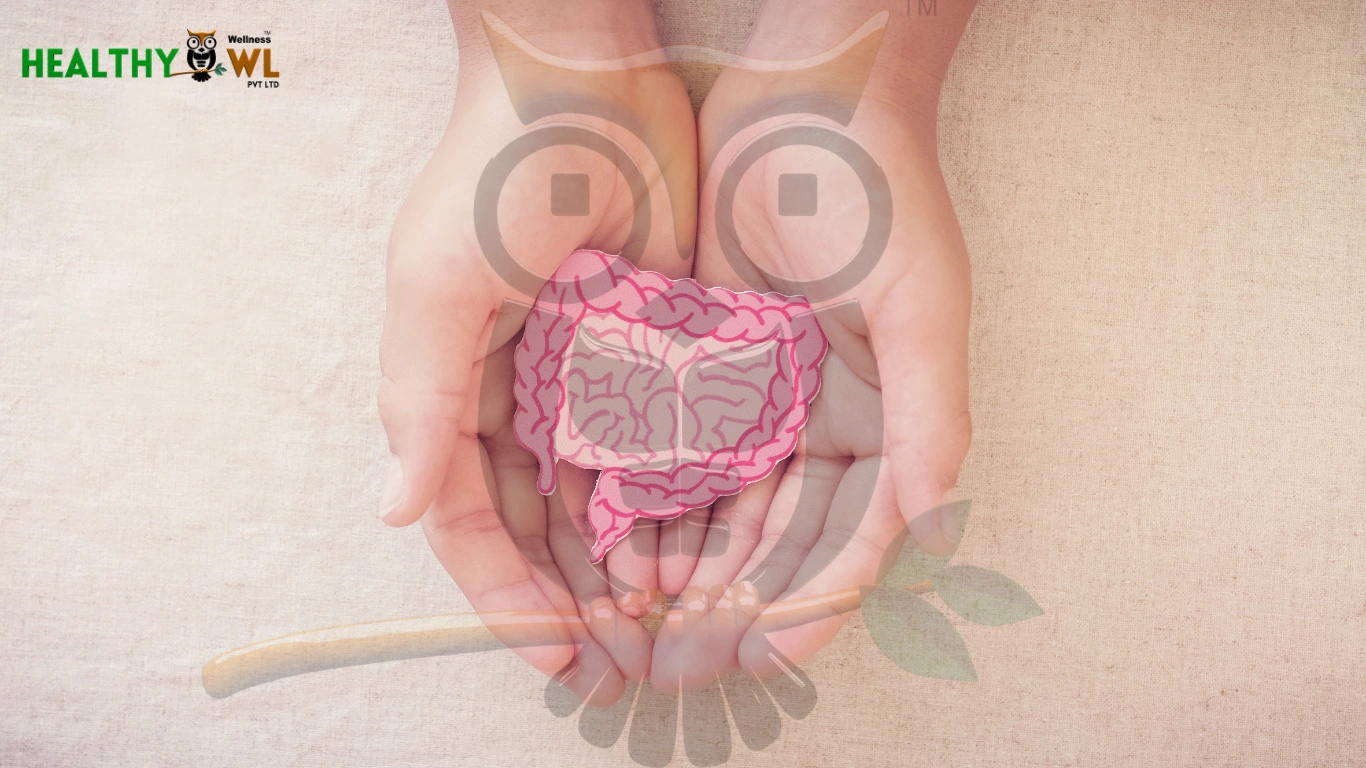
The gut-brain axis represents a bidirectional communication network linking your central nervous system with your enteric nervous system, the complex neural network embedded in your gastrointestinal tract. This system contains over 100 million neurons, more than your spinal cord, earning it the nickname the second brain.
This connection operates through several pathways:
The Vagus Nerve: This crucial nerve acts as a superhighway, carrying signals between your brain and digestive system. Research published in the Journal of Physiology demonstrates that approximately 90% of vagus nerve fibers transmit information from the gut to the brain, not the other way around.
Neurotransmitters: Your gut produces about 95% of your body’s serotonin, the happy hormone, along with other mood-regulating chemicals like dopamine and GABA.
The Microbiome: The trillions of bacteria residing in your gut don’t just aid digestion; they actively communicate with your brain, influencing mood, cognition, and stress responses.
How Stress Travels to the Gut: The Journey Explained
Understanding the pathway from stress to stomach problems helps you recognize and interrupt this cycle. Here’s the step-by-step process:
Step 1: You Experience Stress → Whether it’s a work deadline, relationship conflict, or financial worry, your brain perceives a threat.
Step 2: Brain Releases Stress Hormones → Your hypothalamus triggers the release of cortisol and adrenaline, activating your fight-or-flight response.
Step 3: Stomach Slows Digestion → Blood flow redirects away from the digestive system. Your stomach reduces acid production and delays emptying. The digestive process essentially hits pause.
Step 4: Gut Bacteria Get Disturbed → Stress hormones alter the gut environment, reducing beneficial bacteria while harmful strains multiply. The delicate microbial balance tips toward dysbiosis.
Step 5: You Feel Physical Symptoms → The result? Bloating, acidity, gas, loose motions, constipation, cramping, or that uncomfortable knot in your stomach. These symptoms can appear within minutes to hours of experiencing stress.
This cycle can become chronic when stress is ongoing, creating a feedback loop where digestive discomfort causes more stress, which further worsens gut symptoms.
How Stress Wreaks Havoc on Your Digestive System
When you experience stress or anxiety, your body activates its fight-or-flight response, triggering a cascade of physiological changes that significantly impact digestion:
1. Cortisol Overload and Digestive Disruption
Chronic stress elevates cortisol levels, which can slow gastric emptying, reduce stomach acid production, and alter gut motility. According to research from Harvard Medical School, elevated cortisol can increase gut permeability, often called leaky gut syndrome, allowing toxins and partially digested food particles to enter the bloodstream.
2. Microbiome Imbalance
Studies published in Nature Reviews Gastroenterology & Hepatology reveal that stress hormones can alter the composition of your gut microbiome, reducing beneficial bacteria while promoting harmful strains. This imbalance called dysbiosis is linked to conditions including irritable bowel syndrome, inflammatory bowel disease, and even depression.
3. Blood Flow Redirection
During stress, your body prioritizes survival by redirecting blood flow away from the digestive system toward muscles and vital organs. This reduction in blood flow to the gut compromises digestive efficiency, nutrient absorption, and can contribute to symptoms like bloating, cramping, and constipation.
4. Inflammation Activation
Chronic stress-induced inflammation in the gut can trigger or worsen conditions like Crohn’s disease, ulcerative colitis, and stress-induced IBS. The inflammatory response damages the intestinal lining and disrupts the delicate balance of your gut ecosystem.
5. Impact on Mental Health: The Bidirectional Connection
Perhaps most critically, the relationship between gut health and mental health works in both directions. While stress damages your gut, an unhealthy gut can worsen mental health conditions, creating a vicious cycle.
Research published in The Lancet Psychiatry by Kelly et al. demonstrates that individuals suffering from anxiety and depression consistently show altered gut microbiome compositions compared to mentally healthy individuals. Specifically, people with depression often have:
• Reduced microbial diversity Lower levels of beneficial bacteria like Lactobacillus and Bifidobacterium
• Increased inflammatory markers in the gut
• Altered production of mood-regulating neurotransmitters
This connection is critical because the microbiome-gut-brain axis suggests that improving gut health might also improve mental health outcomes. Emerging studies on psychobiotics, specifically selected for mental health benefits, show promise in reducing symptoms of anxiety and depression when combined with conventional treatments.
The takeaway? Addressing digestive health isn’t just about physical comfort; it’s a crucial component of comprehensive mental healthcare.
Common Signs Your Emotions Are Affecting Your Gut
Recognizing the connection between emotional stress and digestive issues is the first step toward healing. Watch for these telltale signs:
• Stomach pain or cramping during stressful periods
•Diarrhea or constipation triggered by anxiety
• Nausea or loss of appetite during emotional distress
• Bloating and gas worsening with stress
• Heartburn or acid reflux during high-pressure situations
• Flare-ups of IBS symptoms correlated with life stressors
Science-Backed Strategies to Heal Your Gut Through Stress Management
The good news? You can actively support your gut-brain connection and mitigate the harmful effects of stress on digestion through targeted lifestyle interventions.
1. Practice Mindfulness and Meditation
Research from Johns Hopkins University shows that mindfulness meditation can reduce symptoms of IBS by up to 38%. Techniques like deep breathing, progressive muscle relaxation, and guided meditation activate the parasympathetic nervous system your body’s rest and digest mode promoting optimal digestive function.
2. Nourish Your Microbiome
Feed your gut bacteria with:
Probiotic-rich foods: Yogurt, kefir, sauerkraut, kimchi, and kombucha introduce beneficial bacteria
Prebiotic fibers: Garlic, onions, bananas, asparagus, and oats feed existing healthy bacteria
Anti-inflammatory foods: Fatty fish, leafy greens, berries, and turmeric reduce gut inflammation
For personalized guidance on gut-healing nutrition, explore Healthy Owl Wellness’s comprehensive nutrition programs.
3. Prioritize Quality Sleep
Sleep deprivation disrupts both your stress hormones and gut microbiome. Studies in PLOS ONE demonstrate that even partial sleep deprivation can alter gut bacterial composition within 48 hours. Aim for 7-9 hours of quality sleep to support digestive healing.
4. Exercise Regularly (But Don’t Overdo It)
Moderate exercise like walking, yoga, or swimming enhances gut motility, reduces stress hormones, and promotes microbial diversity. However, excessive high-intensity exercise can actually increase gut permeability and stress the digestive system. Find your balance.
5. Consider Professional Support
Therapies like cognitive behavioral therapy (CBT) and gut-directed hypnotherapy have shown remarkable success in treating stress-related digestive disorders. Research indicates that gut-directed hypnotherapy can reduce IBS symptoms in up to 70% of patients.
The Vagus Nerve: Your Gut-Brain Superhighway
Stimulating your vagus nerve can dramatically improve both stress resilience and digestive function. Simple techniques include:
• Deep, diaphragmatic breathing (4-7-8 technique)
•Cold exposure (cold showers or ice on face)
• Singing, humming, or gargling
• Massage, particularly neck and abdomen
• Laughter and social connection
When to Seek Professional Help
While lifestyle modifications can significantly improve stress-related digestive issues, certain symptoms warrant professional evaluation:
Persistent abdominal pain lasting more than two weeks
Unexplained weight loss
Blood in stool
Severe or worsening symptoms despite lifestyle changes
Symptoms that significantly impact quality of life
At Healthy Owl Wellness, our integrative approach combines nutritional counseling, stress management techniques, and personalized wellness plans to address the root causes of digestive distress. Schedule a consultation today to begin your journey toward optimal gut health.
Frequently Asked Questions About Stress and Gut Health
Q – Can stress cause stomach pain?
Yes, stress can absolutely cause stomach pain. When you’re stressed, your body releases cortisol and adrenaline, which can slow digestion, increase stomach acid, alter gut motility, and trigger inflammation, all of which contribute to abdominal discomfort, cramping, and pain.
Q – How does anxiety affect your digestive system?
Anxiety triggers your fight-or-flight response, redirecting blood flow away from the digestive system, altering gut bacteria composition, and increasing intestinal permeability. This can manifest as nausea, diarrhea, constipation, bloating, loss of appetite, or exacerbation of conditions like IBS.
Q – What is the gut-brain axis?
The gut-brain axis is a bidirectional communication network connecting your central nervous system with your enteric nervous system (the neural network in your GI tract). This connection operates through the vagus nerve, neurotransmitters, immune system signaling, and gut microbiota metabolites, allowing your gut and brain to constantly influence each other.
Q – Can probiotics help with stress-related digestive issues?
Research suggests that certain probiotic strains, particularly Lactobacillus and Bifidobacterium, may help reduce stress-related digestive symptoms by modulating the gut-brain axis, reducing inflammation, and improving gut barrier function. However, effectiveness varies by individual and specific probiotic strain.
Q – How long does it take to heal your gut after stress?
Gut healing timelines vary based on the severity and duration of stress, existing gut health, and intervention strategies employed. Some people notice improvements in digestive symptoms within days to weeks of implementing stress management techniques, while complete microbiome restoration may take several months of consistent lifestyle modifications.
Q – What foods should I avoid when stressed?
During stressful periods, limit caffeine (increases cortisol), alcohol (disrupts gut bacteria), processed foods (promotes inflammation), high-sugar foods (feeds harmful bacteria), and fried or fatty foods (slows digestion). Instead, focus on whole foods, lean proteins, vegetables, and anti-inflammatory options.
The Path Forward: Healing Your Gut-Brain Connection
Understanding the profound link between stress and gut health empowers you to take control of your wellness journey. By addressing both the emotional and physical aspects of digestive health, you create a foundation for lasting healing.
Remember: your gut and brain are allies, not adversaries. When you nurture one, you support the other. Start small, choose one stress management technique from this article, and commit to it for two weeks. Notice the changes, not just in your digestion, but in your overall sense of well-being.
Ready to Transform Your Gut Health?
At Healthy Owl Wellness, we specialize in holistic approaches to digestive health that address the root causes of discomfort—not just the symptoms. Our expert team combines evidence-based nutrition, stress management coaching, and personalized wellness strategies to help you achieve optimal gut health.
Take the first step today and Book a free 15-minute consultation
Sources
- Carabotti et al. (2015). The gut-brain axis. Annals of Gastroenterology.
- Mayer et al. (2014). Gut microbes and the brain. Journal of Neuroscience.
- Harvard Medical School (2021). The gut-brain connection. Harvard Health Publishing.
- Foster & Neufeld (2013). Gut-brain axis and mental health. Trends in Neurosciences.
- Konturek et al. (2011). Stress and the gut. Journal of Physiology and Pharmacology.
- Breit et al. (2018). Vagus nerve and brain-gut axis. Frontiers in Psychiatry.
- Keefer et al. (2022). Gut-directed hypnotherapy in ulcerative colitis. Alimentary Pharmacology & Therapeutics.
- Benedict et al. (2016). Gut microbiota and sleep deprivation. Molecular Metabolism.