
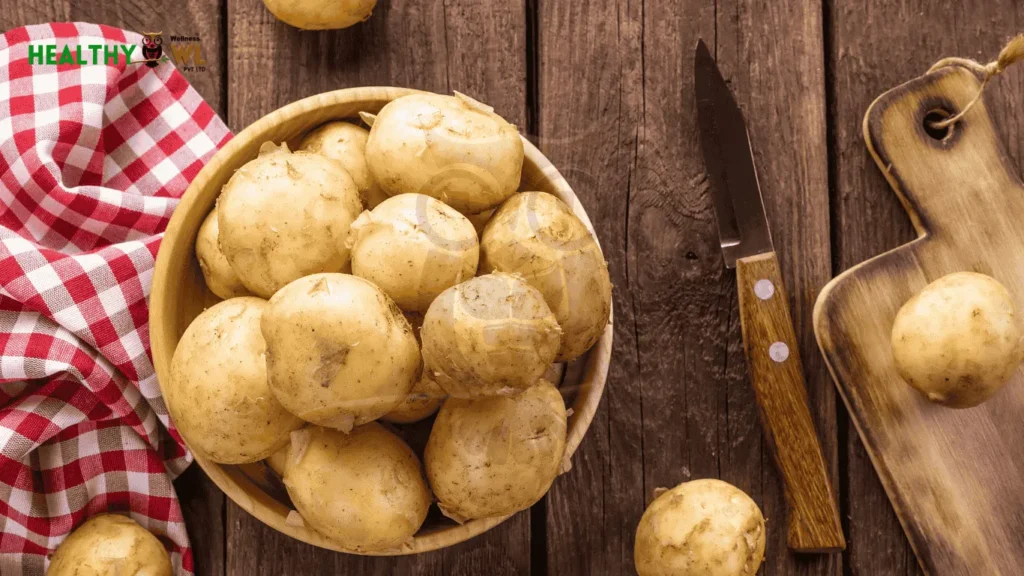
For decades, the humble potato has been caught in nutritional crossfire. One moment it’s praised as a wholesome staple, the next it’s vilified as a gut-disrupting carbohydrate bomb. If you’ve ever wondered whether potatoes are helping or harming your digestive system, you’re not alone. The relationship between potatoes and gut health is more nuanced than most people realize, and understanding this connection can transform how you approach this versatile vegetable.
The Gut Health Revolution: Why It Matters
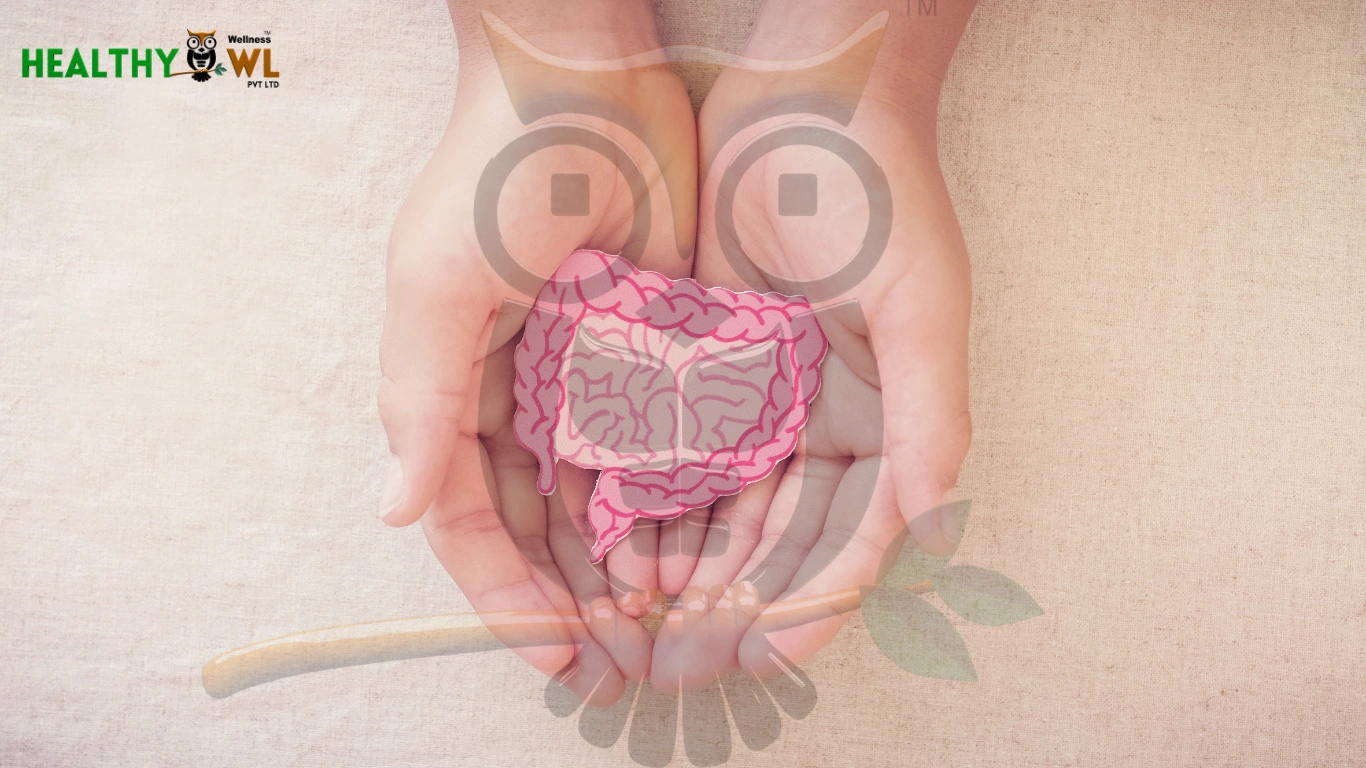
Before we dive into the potato debate, let’s establish why gut health deserves your attention. Your digestive system houses trillions of microorganisms collectively known as the gut microbiome. This complex ecosystem influences everything from digestion and immunity to mental health and weight management. What you eat directly impacts these microscopic allies, making food choices crucial for optimal wellness.
Understanding the Potato: More Than Just Starch
Potatoes often get lumped into the “simple carb” category, but this classification oversimplifies their nutritional profile. A medium potato contains approximately 4 grams of fiber, significant amounts of vitamin C, potassium, and vitamin B6, plus various antioxidants. However, the real gut health story lies in something called resistant starch.
Resistant Starch: The Gut’s Secret Weapon
Resistant starch is a type of carbohydrate that resists digestion in the small intestine and reaches the colon intact. Once there, it acts as a prebiotic, feeding beneficial gut bacteria. Fresh potatoes contain some resistant starch, but here’s the game-changer: when you cook potatoes and then cool them, the resistant starch content increases dramatically.
This cooling process, called retrogradation, restructures the starch molecules, making them more resistant to digestive enzymes. Studies have shown that cooled potatoes can contain up to 2-4 times more resistant starch than freshly cooked ones. This means your potato salad or leftover roasted potatoes might actually be superior for gut health compared to piping hot french fries.
How Preparation Methods Impact Your Gut: A Simple Comparison
To help you understand how cooking and preparation methods affect resistant starch, gut health, and blood sugar response, here’s a quick reference guide:
| Aspect | Hot / Freshly Cooked | Cooled (Cooked & Refrigerated) |
| Resistant starch | Low | High |
| Digestion speed | Digests quickly | Digests slowly |
| Effect on gut bacteria | Limited benefit | Feeds good gut bacteria |
| Blood sugar response | Faster spike | Gentler rise |
| Best for | Immediate energy | Gut health & blood sugar control |
| Examples | Hot mashed potato, fresh aloo sabzi | Potato salad, leftover boiled potatoes |
Similarly, the cooking method matters significantly:
| Aspect | Boiled Potatoes | Fried Potatoes |
| Fat content | Minimal (naturally low) | High (absorbed during frying) |
| Inflammatory potential | Low | High (oxidized fats) |
| Nutrient retention | Better preservation | Some nutrient loss |
| Gut health impact | Positive (especially when cooled) | Potentially negative |
| Digestibility | Easier on digestive system | Harder to digest |
These tables make it clear: the way you prepare your potatoes matters as much as whether you eat them at all.
The Case FOR Potatoes as Gut Friends
Prebiotic Powerhouse
Resistant starch in potatoes serves as fuel for beneficial bacteria like Bifidobacteria and Lactobacilli. These microbes ferment the resistant starch, producing short-chain fatty acids (SCFAs) like butyrate, propionate, and acetate. Butyrate, in particular, is the preferred energy source for colon cells and has anti-inflammatory properties that support intestinal barrier integrity.
Digestive Regularity Support
The fiber content in potatoes, especially when eaten with the skin, contributes to healthy bowel movements. Fiber adds bulk to stool and helps maintain regularity, reducing the risk of constipation and promoting overall digestive comfort.
Gut Barrier Protection
Research suggests that the resistant starch in potatoes may strengthen the intestinal barrier, reducing “leaky gut” syndrome where harmful substances escape through the intestinal lining into the bloodstream. A healthy gut barrier is essential for preventing inflammation and supporting immune function.
Blood Sugar Management
While potatoes do contain carbohydrates, resistant starch has a lower glycemic impact than regular starch. This means cooled potatoes cause a gentler rise in blood sugar levels, which indirectly benefits gut health by reducing inflammation associated with blood sugar spikes.
The Case AGAINST Potatoes as Gut Enemies
Glycemic Index Concerns
Freshly cooked potatoes, particularly when mashed or processed, have a high glycemic index. Rapid blood sugar spikes can promote inflammation and potentially disrupt gut microbiome balance over time. This is especially concerning for individuals with insulin resistance or diabetes.
Nightshade Sensitivity
Potatoes belong to the nightshade family and contain compounds called glycoalkaloids, including solanine and chaconine. These naturally occurring compounds serve as the plant’s defense mechanism against pests and diseases.
In high concentrations, glycoalkaloids can disrupt intestinal cell membranes and increase intestinal permeability, contributing to what’s commonly known as “leaky gut” in sensitive individuals. This disruption allows larger molecules to pass through the gut barrier, potentially triggering inflammatory responses.
However, it’s important to put this into perspective. Glycoalkaloid levels are usually well below harmful levels in properly cooked potatoes. The concentration increases significantly in green, sprouted, or damaged potatoes, which is why these should always be avoided. When you peel potatoes and cook them properly, the glycoalkaloid content is generally safe for most people.
True nightshade sensitivity affects a relatively small percentage of the population, but for those who are sensitive, symptoms can include digestive discomfort, bloating, joint pain, and inflammation flares. If you suspect nightshade sensitivity, an elimination diet under professional guidance can help identify whether potatoes are problematic for you.
Preparation Methods Matter
How you prepare potatoes dramatically affects their gut health impact. Deep-fried potatoes absorb unhealthy fats that can promote gut inflammation. Additionally, heavily processed potato products often contain additives, preservatives, and excess sodium that may negatively affect gut microbiome diversity.
FODMAP Content
For individuals with irritable bowel syndrome (IBS) or FODMAP sensitivities, potatoes contain moderate amounts of FODMAPs that can trigger bloating, gas, and digestive discomfort in susceptible individuals.
The Verdict: Friend or Foe?
The answer depends on several factors: your individual gut health status, how you prepare potatoes, portion sizes, and what you pair them with. For most people, potatoes can be gut-friendly when consumed mindfully.
Maximizing Potatoes for Gut Health: Practical Tips
Cook and Cool Method: Boil or bake potatoes, then refrigerate for at least 12 hours before eating. You can reheat them gently without significantly reducing resistant starch content.
Keep the Skin On: Potato skins contain additional fiber and nutrients that support digestive health. Always wash thoroughly and choose organic when possible.
Pair Wisely: Combine potatoes with healthy fats (olive oil, avocado) and protein to slow digestion and moderate blood sugar response.
Choose Variety: Different potato varieties offer different nutritional profiles. Purple and red potatoes contain additional antioxidants that may benefit gut health.
Mind Your Portions: A serving size of about 150 grams (one medium potato) provides benefits without overloading on carbohydrates.
Avoid Deep Frying: Opt for baking, steaming, or boiling instead of frying to minimize inflammatory fat consumption.
Special Considerations
If you have diagnosed gut conditions like IBS, inflammatory bowel disease, or SIBO (small intestinal bacterial overgrowth), work with a healthcare provider or registered dietitian to determine if potatoes fit your therapeutic diet. Some individuals may need to limit or avoid potatoes during healing phases.
The Bigger Picture
Remember that gut health isn’t determined by a single food. A diverse diet rich in various fiber sources, fermented foods, lean proteins, and plenty of vegetables creates the most resilient microbiome. Potatoes can play a supporting role in this diverse dietary approach.
Take Control of Your Gut Health Today
Understanding the potato-gut health connection is just the beginning of your wellness journey. At Healthy Owl Wellness, we’re committed to providing evidence-based nutritional guidance that empowers you to make informed decisions about your digestive health.
Ready to optimize your gut microbiome and feel your best? Visit Healthy Owl Wellness today to access personalized nutrition plans, gut health assessments, and expert guidance tailored to your unique needs. Our team of wellness professionals is here to help you navigate the complexities of digestive health with confidence.
Start Your Gut Health Journey with Healthy Owl Wellness →
Don’t let confusion about foods like potatoes hold you back from optimal wellness. Join our community and discover how the right nutritional choices can transform your health from the inside out.
Frequently Asked Questions
Q: Are sweet potatoes better for gut health than regular potatoes?
A: Both offer gut health benefits. Sweet potatoes contain more fiber and have a lower glycemic index, but regular potatoes provide more resistant starch when cooled. Include both in your diet for variety.
Q: Can eating potatoes help with constipation?
A: Yes, the fiber and resistant starch in potatoes can support digestive regularity and help alleviate constipation when consumed as part of a balanced diet with adequate hydration.
Q: How often should I eat potatoes for gut health benefits?
A: Three to four times per week is reasonable for most people. Focus on preparation methods that maximize resistant starch and minimize unhealthy fats.
Q: Do I have to eat cold potatoes to get gut health benefits?
A: While cooling increases resistant starch significantly, even freshly cooked potatoes offer fiber and nutrients. Cold or reheated potatoes simply provide additional prebiotic benefits.
Q: Can potatoes cause bloating?
A: Some individuals may experience bloating from potatoes, especially if they have FODMAP sensitivity or eat large portions. Start with smaller amounts and monitor your body’s response.
References
- Higgins, J.A., et al. (2004). “Resistant starch consumption promotes lipid oxidation.” Nutrition & Metabolism, 1(1), 8.
- Robertson, M.D., et al. (2005). “Insulin-sensitizing effects of dietary resistant starch and effects on skeletal muscle and adipose tissue metabolism.” American Journal of Clinical Nutrition, 82(3), 559-567.
- Lockyer, S., & Nugent, A.P. (2017). “Health effects of resistant starch.” Nutrition Bulletin, 42(1), 10-41.
- Raigond, P., et al. (2019). “Resistant starch in food: a review.” Journal of the Science of Food and Agriculture, 99(4), 1494-1505.
- Fuentes-Zaragoza, E., et al. (2010). “Resistant starch as functional ingredient: A review.” Food Research International, 43(4), 931-942.