
Introduction: Why Blood Sugar Balance Is the Foundation of Good Health
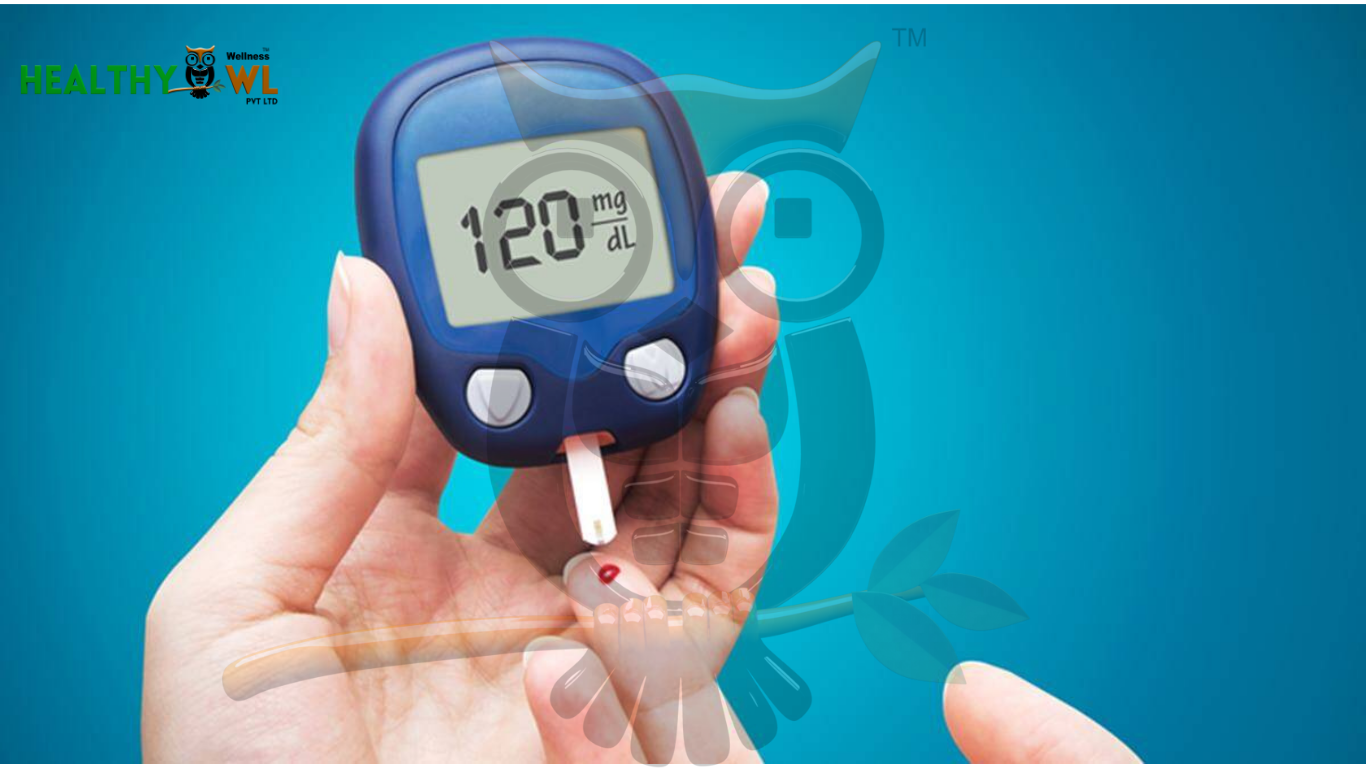
Every time you eat carbohydrates whether it’s a simple roti, a bowl of dal, or a fruit your blood glucose levels rise. This is a natural and necessary process because glucose is your body’s primary source of energy.
However, the real issue is not the rise itself it’s how fast it rises, how high it spikes, and how quickly it crashes.
These fluctuations play a major role in:
- Your daily energy levels
- Hunger and cravings
- Weight gain or loss
- Hormonal balance
- Risk of chronic diseases like diabetes
Frequent blood sugar spikes followed by crashes can leave you feeling tired, irritable, and constantly hungry. Over time, this pattern contributes to insulin resistance, which is the root cause of many lifestyle diseases.
This is where understanding the glycemic index (GI) becomes a game-changer. It helps you choose foods that provide steady energy instead of sudden spikes supporting long-term health, weight management, and metabolic balance.
What Is the Glycemic Index? (Explained Simply)
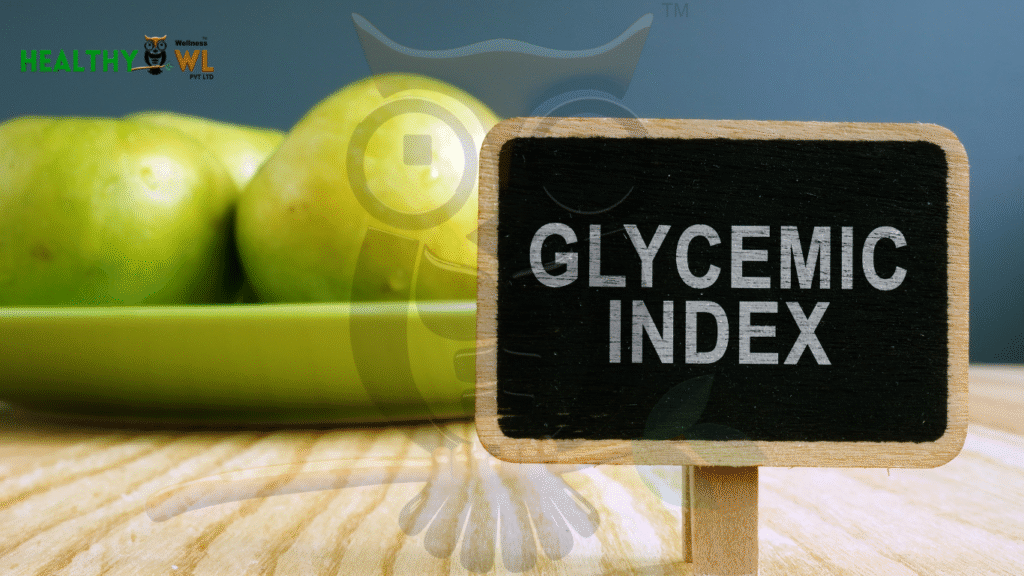
The glycemic index (GI) is a scientific system that ranks carbohydrate-containing foods based on how quickly they raise blood sugar levels after consumption.
- Scale: 0 to 100
- Reference: Pure glucose = 100
GI Categories
| Category | GI Score | Effect |
| Low GI | ≤55 | Slow, steady increase |
| Medium GI | 56–69 | Moderate increase |
| High GI | ≥70 | Rapid spike |
How It Works in Your Body
When you eat carbohydrates:
- They break down into glucose
- Glucose enters the bloodstream
- The pancreas releases insulin
- Cells absorb glucose for energy
High-GI foods are digested quickly, flooding your bloodstream with glucose.
Low-GI foods digest slowly, releasing glucose gradually.
Key takeaway: The lower the GI, the better your blood sugar control.
Why Glycemic Index Matters for Your Health
1. Blood Sugar Management & Diabetes
For individuals with diabetes or pre-diabetes, managing blood glucose is critical. High-GI foods cause sudden spikes, which strain insulin production.
Low-GI diets help:
- Improve insulin sensitivity
- Reduce HbA1c levels
- Stabilise post-meal glucose
2. Weight Loss & Appetite Control
High-GI foods lead to rapid spikes followed by crashes triggering hunger and cravings.
Low-GI foods:
- Keep you fuller for longer
- Reduce overeating
- Support sustainable fat loss
3. Heart Health
Repeated blood sugar spikes increase inflammation and oxidative stress, damaging blood vessels.
A low-GI diet helps:
- Lower triglycerides
- Improve cholesterol balance
- Reduce heart disease risk
4. Energy, Mood & Productivity
Your brain relies on glucose but it needs a steady supply.
High-GI meals → energy crash + brain fog
Low-GI meals → stable focus + productivity
5. PCOS & Hormonal Balance
Insulin resistance is a major driver of PCOS.
Low-GI eating:
- Reduces insulin spikes
- Supports hormonal balance
- Improves cycle regularity
Glycemic Index Food Chart (Indian Diet)
Low Glycemic Index Foods
These foods are ideal for blood sugar management:
- Moong dal, masoor dal, chana dal
- Rajma, black chana
- Oats, barley (jau)
- Millets: jowar, bajra, ragi
- Fruits: apple, pear, guava
- Curd, yogurt
- Leafy and non-starchy vegetables
These should form the foundation of your daily diet
Medium GI Foods (Eat Mindfully)
- Basmati rice
- Whole wheat roti
- Brown rice
- Sweet potato
- Banana, mango
Pair with protein or fibre to reduce impact
High GI Foods (Limit Intake)
- White rice
- White bread (maida)
- Potatoes (mashed)
- Sugary drinks
- Cornflakes, packaged snacks
These can cause rapid blood sugar spikes
Glycemic Load: A More Practical Approach
While GI tells you how fast sugar rises, it doesn’t consider portion size. That’s where glycemic load (GL) becomes important.
Formula
GL = (GI × carbs per serving) ÷ 100
GL Categories
- Low: ≤10
- Medium: 11–19
- High: ≥20
Example
Watermelon has a high GI-but low carbs → low GL
Conclusion: Portion control is key
Factors That Influence Blood Sugar Response
Even the same food can affect people differently.
1. Fibre Content
Slows digestion and reduces glucose spikes
2. Protein & Fat
Help stabilise blood sugar
3. Cooking Method
Overcooking increases GI
Cooling reduces GI
4. Fruit Ripeness
Ripe fruits = higher GI
5. Meal Composition
Mixed meals reduce overall GI impact
6. Gut Health
Healthy gut improves glucose metabolism
7. Lifestyle Factors
Stress, sleep, and physical activity play a major role
What Happens During a Blood Sugar Spike?
Here’s what typically happens:
- You eat high-GI food
- Blood sugar rises quickly
- Insulin spikes
- Blood sugar crashes
- You feel tired and hungry
This leads to:
- Cravings
- Overeating
- Fat storage
- Long-term insulin resistance
Managing GI helps break this cycle
Practical Strategies to Prevent Blood Sugar Spikes
1. Follow the Plate Method
- Half plate vegetables
- Quarter protein
- Quarter carbs
2. Combine Foods Smartly
Never eat carbs alone
Add:
- Protein (dal, paneer)
- Fibre (salad)
- Healthy fats (nuts, seeds)
3. Eat Slowly
Improves digestion and reduces spikes
4. Walk After Meals
Just 10–15 minutes can significantly reduce blood sugar
5. Stay Hydrated
Supports better glucose control
Smart Indian Food Swaps
| Instead of | Choose |
| White rice | Basmati or millets |
| Maida roti | Jowar/bajra roti |
| Cornflakes | Oats |
| Fruit juice | Whole fruit |
| White bread | Multigrain |
Sample Low-GI Indian Vegetarian Meal Plan
Breakfast
Oats with nuts + apple + curd
Lunch
Jowar roti + dal + sabzi + salad
Snack
Nuts + guava
Dinner
Chapati + chana/rajma + vegetables
Balanced and sustainable
Special Considerations
Diabetes
Focus on low GL + portion control
Pre-Diabetes
Lifestyle changes can reverse progression
Weight Loss
Low-GI diets reduce hunger naturally
PCOS
Improves insulin and hormone balance
Common Myths About Glycemic Index
❌ All carbs are bad → False
❌ Fruits should be avoided → False
❌ Brown bread is always healthy → False
❌ Rice must be eliminated → False
❌ Only diabetics need GI → False
FAQs
Q – What is glycemic index?
A scale that measures how quickly foods raise blood sugar levels.
Q – What are low GI foods?
Dal, legumes, oats, vegetables, fruits like apple and guava.
Q – How to prevent blood sugar spikes?
Eat balanced meals, avoid refined carbs, walk after meals.
Q – Is rice high GI?
Yes, but portion and pairing matter.
Q – Can diabetics eat fruits?
Yes, in moderation and preferably low-GI fruits.
Key Takeaways
- Glycemic index helps manage blood sugar
- Low-GI foods provide stable energy
- Glycemic load gives a complete picture
- Food combinations matter
- Indian diets can easily be low-GI
- Small changes create big health impact
Ready to Take Control of Your Blood Sugar?
Understanding the glycemic index is a powerful first step. But applying it to your specific lifestyle, health conditions, food preferences, and goals requires personalised guidance.
At Healthy Owl Wellness, our expert dietitians and wellness coaches work with you one-on-one to:
- Create a personalised low-GI meal plan tailored to your Indian vegetarian (or non-vegetarian) diet preferences
- Address specific health concerns including diabetes, pre-diabetes, PCOS, thyroid, and weight management
- Help you build sustainable eating habits that fit your work schedule, family life, and cultural food traditions
- Monitor your progress and adjust your plan based on real results