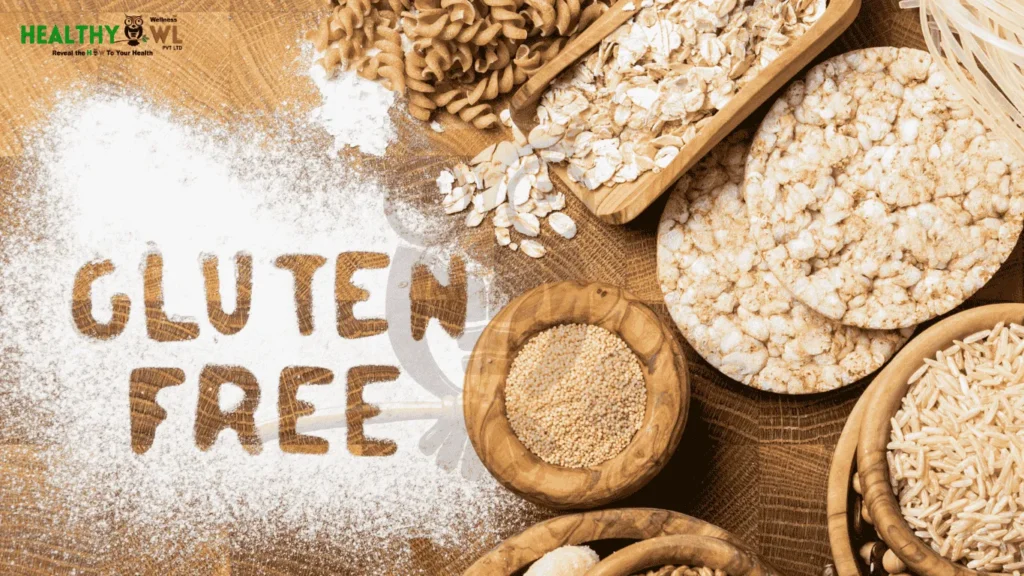
Walk down any grocery aisle today, and you’ll be bombarded with gluten-free labels on everything from bread to cookies to snack bars. The gluten-free food market has exploded into a multi-billion dollar industry, with countless people choosing gluten-free products believing they’re making a healthier choice. But here’s the uncomfortable truth: gluten-free doesn’t automatically mean healthier.
At Healthy Owl Wellness, we believe in evidence-based nutrition, not marketing trends. So let’s cut through the noise and examine the real story behind gluten-free living—when it’s medically necessary, when it’s beneficial, and when it might actually be doing more harm than good.
What Exactly Is Gluten, and Why Did It Become the Enemy?
Gluten is a protein found naturally in wheat, barley, and rye. It’s what gives bread its chewy texture and helps baked goods hold their shape. For thousands of years, humans have consumed gluten without issue—so why the sudden vilification?
The gluten-free movement gained momentum primarily due to increased awareness of celiac disease and gluten sensitivity. But somewhere along the way, “gluten-free” transformed from a medical necessity into a perceived health halo that promised weight loss, increased energy, and better overall health.
The reality? For most people, gluten isn’t the problem.
When Going Gluten-Free Is Genuinely Necessary
There are real medical reasons to avoid gluten:
Celiac Disease
A serious autoimmune disorder affecting about 1% of people. Even tiny amounts of gluten can damage the small intestine, causing digestive issues, nutrient deficiencies, and long-term complications. For those with celiac disease, a gluten-free diet isn’t a trend—it’s essential.
Non-Celiac Gluten Sensitivity (NCGS)
Some individuals experience bloating, fatigue, brain fog, and digestive discomfort after eating gluten despite not having celiac disease. Though not fully understood, they often feel better by reducing or eliminating gluten.
Wheat Allergy
Separate from celiac disease, a wheat allergy triggers an immune response and requires avoiding wheat (and sometimes other gluten-containing grains).
According to research from the National Institute of Diabetes and Digestive and Kidney Diseases, only about 6% of the US population has a medical reason to avoid gluten.
Do You Really Need to Go Gluten-Free? A Simple Self-Assessment
Before removing gluten from your diet, reflect on these key questions:
1. Have you received a proper diagnosis?
Avoid self-diagnosing. Accurate testing for celiac disease requires that you’re actively consuming gluten. If you’ve already eliminated it, a reintroduction period may be necessary before testing.
2. Are your symptoms truly linked to gluten?
Digestive discomfort often gets blamed on gluten when the actual cause may be low fibre intake, processed foods, stress, poor sleep, FODMAPs, or additives. Cutting gluten might hide the real issue rather than solve it.
3. What’s motivating the change?
If you’re going gluten-free for weight loss, energy, or general wellness—without a medical diagnosis—you may be responding to trends or marketing claims. These goals can be achieved more effectively through balanced, evidence-based nutrition.
4. Have you tried simpler solutions first?
Before eliminating an entire category of grains, consider improving diet quality, reducing processed foods, managing stress, optimizing sleep, increasing hydration, or ruling out conditions like IBS or lactose intolerance.
Consult a gastroenterologist and a registered dietitian for proper testing and, if needed, a guided elimination plan.
Who Should Not Go Gluten-Free (Unless Medically Necessary)
Just as important as identifying who should avoid gluten is knowing who may be harmed by unnecessary restriction:
• Children and Adolescents
Growing bodies require nutrients found in whole grains. Without a diagnosis, gluten restriction may cause nutrient gaps and increase the risk of disordered eating.
• Pregnant and Breastfeeding Women
Nutrient demands increase during pregnancy and lactation. Whole grains containing gluten provide essential folate, iron, and B vitamins that support healthy fetal growth and maternal health.
• Athletes and Highly Active Individuals
Active bodies need easily digestible, complex carbohydrates for energy and recovery. Gluten-free substitutions often fall short, potentially impacting performance and glycogen levels.
• Individuals With a History of Disordered Eating
Unnecessary food rules can worsen restrictive patterns and increase anxiety around eating.
• People on Limited Budgets
Gluten-free specialty products are significantly more expensive. Without medical necessity, this is an avoidable burden with no added health benefit.
• Those Already at Risk of Nutrient Deficiencies
If you struggle with low iron, B vitamins, or absorption issues, eliminating fortified grain products can worsen deficiencies.
So don’t restrict your diet based on trends, fear, or anecdotal evidence. Self-imposed dietary restrictions without medical necessity often create more problems than they solve.
The Dirty Truth About Packaged Gluten-Free Products
Here’s where things get problematic. The vast majority of packaged gluten-free products are nutritionally inferior to their gluten-containing counterparts. Food manufacturers face significant challenges when removing gluten, and their solutions often involve:
Higher Sugar Content
To compensate for the flavour and texture loss when gluten is removed, manufacturers frequently add extra sugar. A gluten-free cookie can contain 30-50% more sugar than a regular cookie. This spike in added sugars contributes to blood sugar imbalances, increased inflammation, and weight gain—exactly what most people are trying to avoid.
More Additives and Preservatives
Gluten-free baked goods tend to go stale quickly without gluten’s binding properties. To extend shelf life and improve texture, manufacturers add xanthan gum, guar gum, extra starches, and various chemical preservatives. While not necessarily harmful, these aren’t the wholesome ingredients you might expect from a “health food.”
Refined Starches and Lower Fibre
Many gluten-free products rely heavily on refined rice flour, potato starch, and cornstarch. These refined carbohydrates are quickly digested, causing blood sugar spikes and providing minimal nutritional value. Standard whole wheat bread contains about 3-4 grams of fibre per slice, while many gluten-free breads contain less than 1 gram.
Higher Calorie Density
Contrary to popular belief, gluten-free products often contain more calories than their gluten-containing versions. The extra fats and starches needed to mimic gluten’s texture add significant calories without adding nutrition.
A 2017 study published in the journal Pediatrics found that gluten-free products contained significantly higher amounts of fat and lower amounts of protein compared to regular products.
The Hidden Health Risks of Unnecessary Gluten-Free Diets
If you don’t have celiac disease or diagnosed gluten sensitivity, unnecessarily eliminating gluten might actually harm your health in several ways:
Nutritional Deficiencies
Whole grains are a primary source of B vitamins, iron, magnesium, and fibre in most diets. When you cut out whole wheat, barley, and rye without careful meal planning, you risk developing deficiencies. Many people following gluten-free diets show lower intake of folate, thiamine, riboflavin, and niacin.
Gut Health Disruption
Whole grains containing gluten are excellent sources of prebiotics—the fibre that feeds beneficial gut bacteria. Research suggests that people on gluten-free diets often have less diverse gut microbiomes, which is associated with various health problems including weakened immunity and increased inflammation.
Increased Exposure to Heavy Metals
Rice flour is a staple in gluten-free products, but rice naturally accumulates arsenic from soil and water. People following gluten-free diets show higher levels of arsenic and mercury in their bodies according to research from the University of Illinois at Chicago.
Social and Psychological Impact
Unnecessarily restricting your diet can lead to food anxiety, social isolation, and disordered eating patterns. Food should bring joy and connection, not constant worry and restriction.
When Might Gluten-Free Help (Even Without Celiac Disease)?
While we’re dispelling myths, it’s worth noting that some people genuinely feel better without gluten, even without a formal diagnosis. Here’s why:
You might actually be sensitive to something else: Many people who think they’re gluten-sensitive are actually reacting to FODMAPs (fermentable carbohydrates), additives, or pesticides used on wheat. Eliminating gluten might help not because of the gluten itself, but because you’re avoiding these other triggers.
Elimination diets can be diagnostic tools: Working with a healthcare provider or registered dietitian to do a proper elimination diet can help identify genuine food sensitivities. The key is doing this systematically, not just randomly cutting out foods based on internet advice.
The Smart Approach: Whole-Food Gluten-Free Eating
If you’ve determined that you need or want to reduce gluten, here’s the crucial distinction: focus on naturally gluten-free whole foods, not processed gluten-free products.
Naturally Gluten-Free Whole Foods Include:
- Whole grains: Quinoa, brown rice, buckwheat, amaranth, millet, certified gluten-free oats
- Vegetables and fruits: All fresh produce is naturally gluten-free and nutrient-dense
- Proteins: Eggs, fish, poultry, meat, legumes, tofu
- Nuts and seeds: Almonds, walnuts, chia seeds, flaxseeds
- Healthy fats: Avocados, olive oil, coconut oil
- Dairy: Plain yogurt, cheese, milk (if tolerated)
When you build your diet around these whole foods, you naturally avoid gluten while maximizing nutrition. Your meals become more nutrient-dense, higher in fibre, and lower in additives—without relying on expensive specialty products.
Practical Tips for Healthy Gluten-Free Eating:
- Read labels carefully: Even if something is labelled gluten-free, check the nutrition facts. Compare sugar, fibre, and ingredient quality.
- Cook more at home: You have complete control over ingredients and can use nutrient-dense whole foods.
- Don’t equate gluten-free with low-calorie: Track your actual intake if weight management is a goal.
- Prioritize fibre: Aim for 25-35 grams daily from vegetables, fruits, gluten-free whole grains, and legumes.
- Consider supplementation: If strictly gluten-free, consider a B-complex vitamin and get regular nutrient testing. Learn more about essential nutrients for optimal health.
- Work with professionals: Before making major dietary changes, consult with a healthcare provider or registered dietitian who can provide personalized guidance.
The Bottom Line: Make Informed Choices, Not Fear-Based Ones
The gluten-free diet is neither the villain nor the savior it’s often portrayed to be. Here’s what you need to remember:
Gluten-free is essential for people with celiac disease, wheat allergy, or diagnosed gluten sensitivity. For these individuals, it’s a medical necessity that significantly improves quality of life.
Gluten-free is not inherently healthier for the general population. Most packaged gluten-free products are nutritionally inferior and more expensive than their gluten-containing counterparts.
Gluten-free does not equal low-calorie, low-sugar, or better for weight loss. In fact, many gluten-free products contain more calories and sugar.
If you choose gluten-free, focus on whole foods. Build your diet around naturally gluten-free whole foods rather than processed specialty products.
Don’t self-diagnose. If you suspect gluten sensitivity, work with healthcare professionals for proper testing before eliminating gluten entirely.
At Healthy Owl Wellness, we advocate for balanced, whole-food nutrition that’s personalized to your individual needs—not dictated by marketing trends. Your body is unique, and your dietary choices should reflect your specific health situation, not what’s trending on Instagram.
Before jumping on any dietary bandwagon, ask yourself: Is this based on my body’s actual needs, or am I following the hype? That question alone might save you from unnecessary restriction, wasted money, and potential nutritional deficiencies.
Ready to develop a truly personalized nutrition plan? Explore our Healthy Owl wellness Program
Frequently Asked Questions
Is a gluten-free diet good for weight loss?
Not necessarily. Many gluten-free foods are higher in calories, sugar, and fat. Weight loss comes from overall calorie balance and food quality—not removing gluten.
Are there benefits to going gluten-free if I don’t have celiac disease?
For most people, no. Cutting gluten without a medical reason can lead to nutrient gaps and reduced gut diversity. Any “benefits” usually come from eating fewer processed foods, not from removing gluten itself.
Can gluten-free foods be unhealthy?
Yes. Packaged gluten-free snacks often contain refined starches, additives, and more sugar. The healthiest choices are naturally gluten-free whole foods like fruits, veggies, lean proteins, and gluten-free whole grains.
How do I know if I should go gluten-free?
Go gluten-free only if you have celiac disease, a wheat allergy, or diagnosed gluten sensitivity. If you get symptoms after eating gluten, talk to a doctor before eliminating it—self-diagnosing can complicate real testing.
What’s the healthiest way to eat gluten-free?
Focus on whole foods: veggies, fruits, legumes, nuts, seeds, lean proteins, and whole grains like quinoa or brown rice. Limit packaged gluten-free foods and check labels for sugar and fibre. A dietitian can help fill nutrition gaps.
Reference:
- National Institute of Diabetes and Digestive and Kidney Diseases (NIDDK)
- Academy of Nutrition and Dietetics