
Imagine navigating a world where your body feels like a puzzle, with pieces that just don’t seem to fit together. For millions of women worldwide, this is a daily reality due to Polycystic Ovary Syndrome (PCOS) or Polycystic Ovary Disease (PCOD). These conditions bring a host of challenges—from irregular periods and weight gain to mood swings and fertility issues. But what if the key to managing PCOS symptoms could be found right in your kitchen?
Nutrition plays a pivotal role in balancing hormones, stabilizing blood sugar, and nurturing overall well-being. Join us on a journey to discover how a targeted PCOS diet plan and mindful eating can transform your health and help reclaim control over your body.
Understanding PCOD vs PCOS: What’s the Difference?
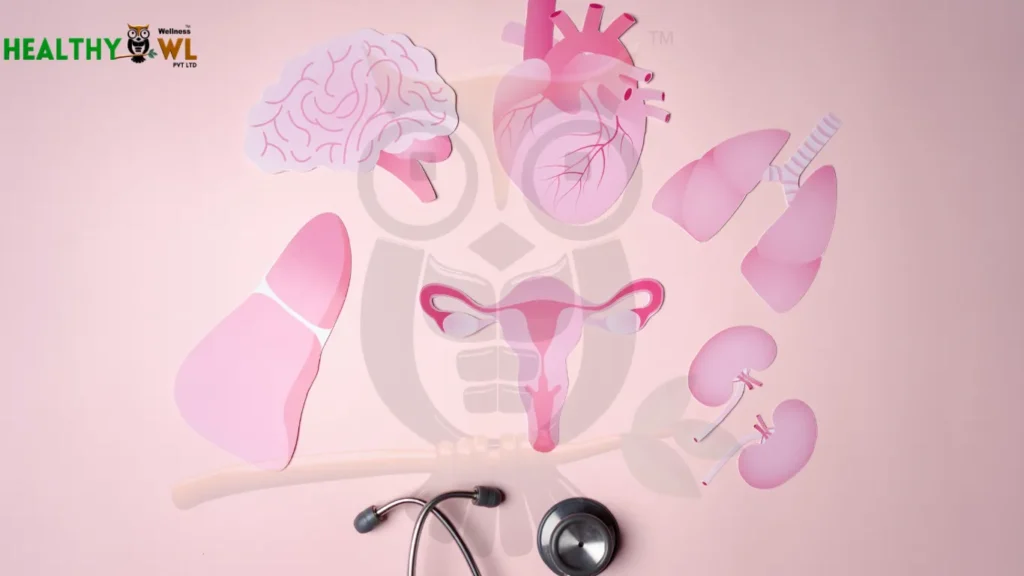
PCOD and PCOS are often used interchangeably, but they refer to slightly different conditions affecting women’s reproductive health:
- PCOD (Polycystic Ovary Disease) typically involves enlarged ovaries with small, immature follicles. It may lead to hormonal imbalances but is generally considered less severe.
- PCOS (Polycystic Ovary Syndrome) is a more severe metabolic condition characterized by multiple cysts on the ovaries, along with more pronounced hormonal disruptions. PCOS is often linked to insulin resistance, inflammation, and more significant fertility challenges.
Understanding this distinction helps in choosing the right PCOD treatment approach and PCOS management strategy.
Nutrition is a powerful tool in managing PCOD/PCOS. Here are some key dietary strategies to consider:
The Role of Nutrition in PCOS Treatment
Nutrition is a powerful tool in managing PCOD/PCOS naturally. Research shows that dietary interventions can significantly improve insulin sensitivity, reduce inflammation, and restore hormonal balance. Here’s your comprehensive PCOS diet plan:
Focus on Whole Foods for Hormonal Balance
- Fruits and Vegetables for PCOS: Rich in vitamins, minerals, and antioxidants, they help reduce inflammation and improve insulin sensitivity in PCOS. Opt for a colorful variety of produce like leafy greens, berries, and sweet potatoes—all excellent choices for a low-glycemic PCOS diet.
- Whole Grains and Complex Carbohydrates: Choose grains such as quinoa, brown rice, oats, and traditional millets like pearl millet and finger millet. These complex carbohydrates are digested slowly, keeping blood sugar levels stable, which is critical for managing insulin resistance associated with PCOS.
Healthy Fats for Hormone Production
- Omega-3 Fatty Acids for PCOS: Incorporate fatty fish like salmon, walnuts, and flaxseeds into your PCOS meal plan. These healthy fats help reduce inflammation and improve hormonal balance naturally.
- Avocado and Olive Oil: Great sources of monounsaturated fats, they support heart health and hormone production—essential components of any effective PCOS nutrition plan.
Lean Proteins for Weight Management
- Best Proteins for PCOS: Chicken, turkey, lentils, and legumes provide essential protein for muscle maintenance and PCOS weight management. Lentils and legumes, in particular, offer fiber, protein, and a low-glycemic option for stabilizing blood sugar.
- Dairy Alternatives for PCOS: Consider low-fat dairy or plant-based options like almond or coconut yogurt, which are less likely to trigger inflammation compared to full-fat dairy products.
Essential Micronutrients for PCOS
- Magnesium for Insulin Resistance: Found in leafy greens, bananas, and almonds, magnesium plays a key role in insulin regulation, reducing resistance, and improving mood—making it crucial for PCOS symptom management.
- Zinc for Hormonal Health: Known for supporting hormone production and improving skin health, zinc-rich foods like pumpkin seeds, chickpeas, and oysters are beneficial for managing PCOS symptoms naturally.
- Vitamin D and PCOS: Deficiency in this vital vitamin has been strongly linked to PCOS. Fortified foods, fatty fish, and moderate sun exposure can help boost vitamin D levels and improve hormonal imbalance treatment.
Limit Refined Carbohydrates and Sugars
- Foods to Avoid with PCOS: Reduce intake of white bread, pastries, and sugary snacks, as these can spike insulin levels and exacerbate symptoms.
- High-Glycemic Index Foods: Foods like white rice, sugary cereals, and other refined carbs lead to blood sugar spikes, worsening insulin resistance in PCOS. Opt for low-glycemic alternatives like whole grains, sweet potatoes, and legumes for better PCOS blood sugar management.
Stay Hydrated for Metabolic Health
- Water: Aim for at least 8 glasses a day. Staying hydrated aids digestion, metabolism, and overall health—all important for PCOS treatment naturally.
- Herbal Teas for PCOS: Green tea supports weight loss and improves insulin sensitivity, while spearmint tea can help reduce androgen levels and manage symptoms like excess hair growth—common PCOS symptoms in women.
Include Fermented Foods for Gut Health
Gut health and PCOS are increasingly recognized as interconnected. Fermented foods such as yogurt (or plant-based alternatives), kefir, sauerkraut, and kombucha help improve gut flora and nutrient absorption, supporting hormonal regulation naturally.
Lifestyle Habits to Manage PCOS Naturally
PCOS management extends beyond nutrition. Here are evidence-based lifestyle habits that complement your PCOS diet plan:
1. Regular Exercise for PCOS
Aim for at least 150 minutes of moderate-intensity exercise each week. Activities like walking, cycling, and yoga can help with PCOS weight loss and stress reduction. Strength training or HIIT workouts are especially effective for improving insulin sensitivity and supporting metabolic health.
2.Stress Management for Hormonal Balance
Engage in mindfulness practices such as meditation, deep breathing exercises, or yoga. Reducing stress can help regulate hormonal imbalances in PCOS. Chronic stress elevates cortisol levels, which in turn affects insulin resistance and thyroid function.
3. Sleep Hygiene and PCOS
Aim for 7-9 hours of quality sleep each night. Poor sleep can worsen insulin resistance, leading to weight gain and difficulty managing PCOD/PCOS symptoms.
4. Natural Remedies for PCOS
Herbs like spearmint tea, which can reduce androgen levels, and cinnamon, known for regulating blood sugar, can offer natural support in managing PCOS naturally.
5. Regular Medical Check-ups
Stay in touch with your healthcare provider to monitor your condition and adjust your PCOS management plan as needed. Supplements for micronutrients like vitamin D, magnesium, and zinc may be necessary depending on individual deficiencies.
Conclusion: Your Journey to PCOS Wellness Starts Today
Managing PCOD/PCOS naturally is not just about restriction—it’s about nourishing your body with the right foods and habits that promote hormonal balance and overall well-being. By embracing a PCOS diet plan rich in whole foods, healthy fats, lean proteins, and low-glycemic options, while minimizing processed foods, you can pave the way for a healthier, happier you.
Remember, every small change adds up, and your journey toward balance starts with the choices you make today. Whether you’re dealing with insulin resistance, irregular periods, or fertility challenges, the right nutrition and lifestyle approach can make a significant difference in PCOS symptom management.
Ready to Take Control of Your PCOS?
At Healthy Owl Wellness, we provide tailored nutrition and lifestyle plans designed to help you thrive with PCOS. Start with a free consultation today—your future self will thank you!

Sources:
- Healthline – https://www.healthline.com/
- Mayo Clinic – https://www.mayoclinic.org/
- WebMD – https://www.webmd.com/
- The Journal of Clinical Endocrinology & Metabolism – https://academic.oup.com/jcem
- The American College of Obstetricians and Gynecologists – https://www.acog.org/