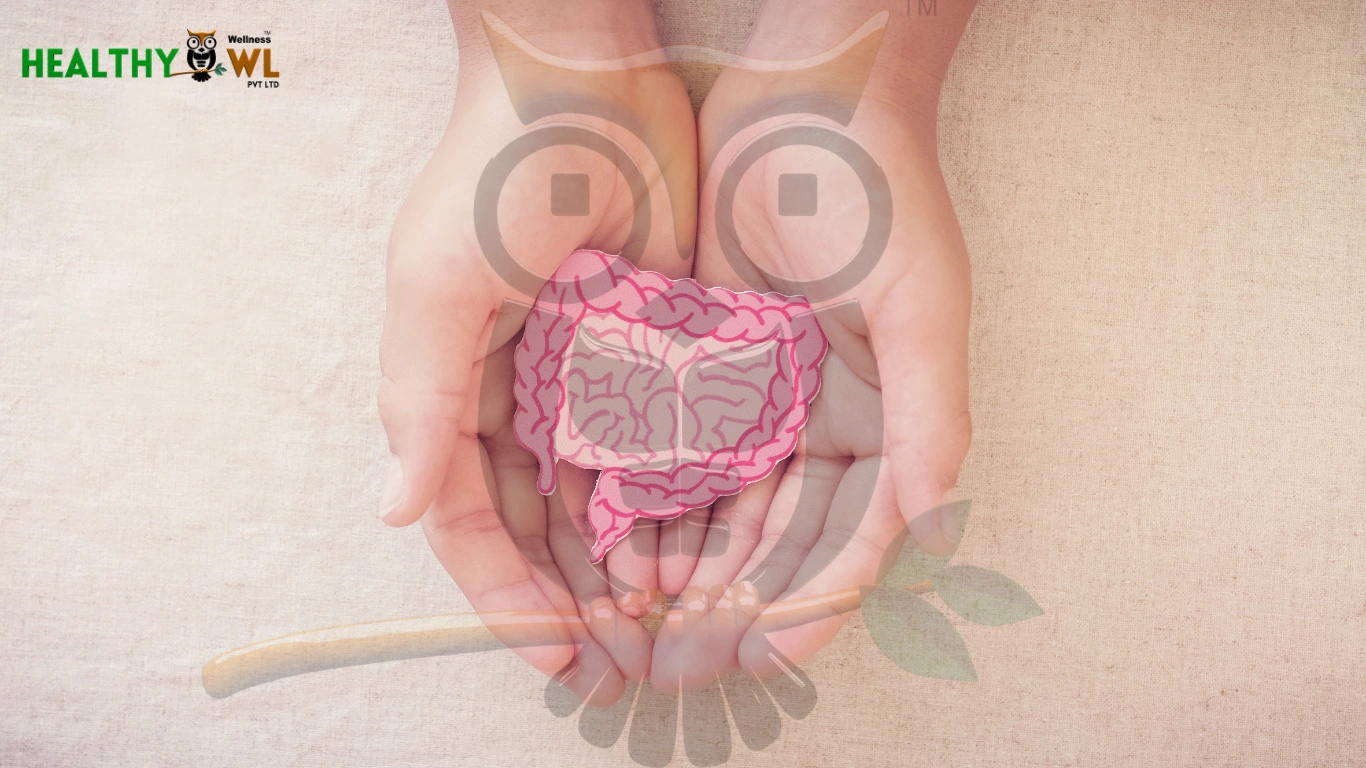

You might not think of your gut as the center of your overall well-being, but science tells us that’s exactly the case. Inside your digestive system lives a community of bacteria, fungi, and other microorganisms that play a vital role in keeping you healthy. The balance of these tiny creatures can influence everything from digestion to your immune system, even affecting your mood and energy levels. Enter the dynamic duo of gut health—prebiotics and probiotics. They’re like the perfect team, each playing a unique but equally crucial role in ensuring your gut stays in top shape.
If you’re wondering how this fascinating pair works to transform your gut and why you should care, you’re in the right place. Let’s break it down in a way that’s easy to understand and leaves you ready to make your gut health a top priority.
What Are Probiotics, and Why Should You Care?
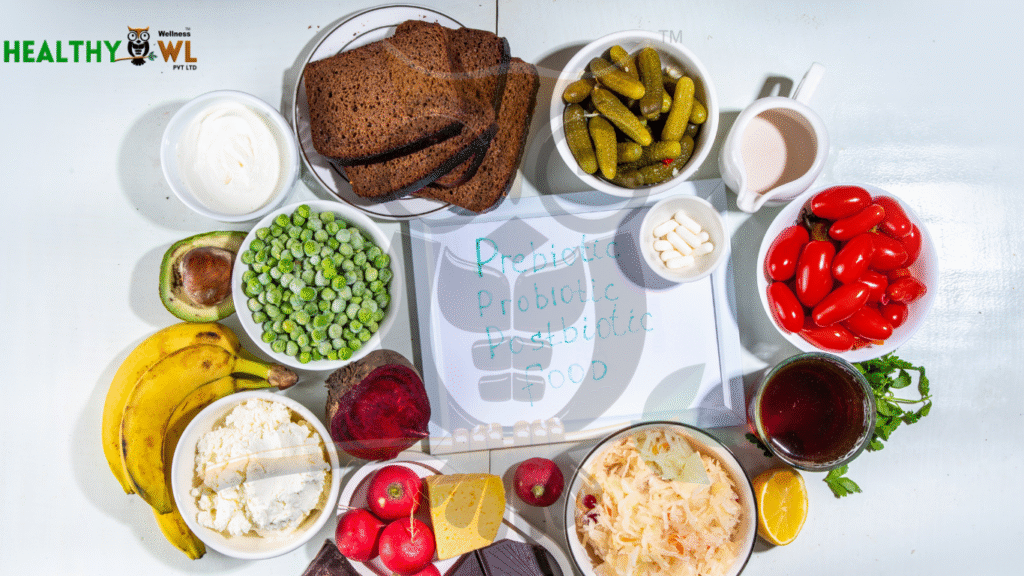
Let’s start with the celebrities of the digestive world—probiotics. These are living microorganisms that, when consumed in adequate amounts, offer multiple health benefits. Probiotics can be found in fermented foods like yogurt, kefir, tempeh, kombucha, and certain cheeses such as cheddar. They are also available in supplements. Think of them as reinforcements for your gut army, keeping harmful bacteria in check and promoting a balanced gut microbiota.
Probiotics, especially those belonging to groups like Lactobacillus, Bifidobacterium, and Saccharomyces, help regulate digestion, improve immune function, and reduce the risk of infections. Regular consumption of probiotics may also alleviate symptoms of conditions like irritable bowel syndrome (IBS), ulcerative colitis, and even certain types of diarrhea. In short, they’re your gut’s best friends!
Prebiotics: The Unsung Heroes
While probiotics often take the spotlight, they wouldn’t survive without prebiotics—non-digestible fibers that serve as food for your beneficial bacteria. Unlike probiotics, prebiotics don’t contain live bacteria. Instead, they act as fertilizers, stimulating the growth of probiotics already present in your gut. When you eat foods like garlic, onions, bananas, asparagus, leeks, chicory root, and whole grains such as barley, you’re fueling your gut flora.
Prebiotics are vital for a healthy gut, promoting the production of short-chain fatty acids (SCFAs), which are linked to numerous benefits like improved digestion, reduced inflammation, and even a lower risk of certain cancers. They also help with bowel regularity, ensuring that your digestive system functions smoothly.
Synbiotics: A Powerful Combination
Synbiotics are supplements or foods containing both prebiotics and probiotics, designed to support the growth and survival of beneficial bacteria. When you consume synbiotics—whether in the form of a supplement or a meal combining prebiotic-rich foods like oats with probiotic-rich foods like yogurt—you are giving your gut the best of both worlds.
A simple example could be a bowl of yogurt topped with bananas and oats. The yogurt provides probiotics, while the bananas and oats offer prebiotics, creating the perfect gut-boosting meal. This dynamic combination helps maintain a thriving community of beneficial bacteria that support digestion, enhance nutrient absorption, and strengthen your immune system.
The Role of Postbiotics
As probiotics break down prebiotics, they produce beneficial compounds known as postbiotics. These compounds contribute to gut health and immunity, adding another layer to the health benefits provided by prebiotics and probiotics. While postbiotics aren’t the primary focus, their role in promoting a healthy gut environment and reducing inflammation is worth noting.
Gut-Brain Axis: The Gut’s Influence on Your Mind
Not only does a balanced gut microbiota affect physical health, but it also plays a role in mental well-being. This is due to the gut-brain axis, a connection between the gut and the brain. The gut microbiome produces neurotransmitters like serotonin and dopamine, which are critical for mood regulation. This means that a healthy gut may reduce the risk of mental health conditions such as anxiety and depression.
What Are the Benefits of a Healthy Gut?
So, why should you care about keeping your gut flora in tip-top shape? A well-balanced gut microbiota affects more than just digestion—it’s linked to several aspects of overall health, including:
- Immune Function: Over 70% of your immune system resides in your gut. A healthy gut microbiome helps ward off infections and illnesses.
- Mental Health: As mentioned, the gut-brain axis highlights the connection between gut health and mental well-being.
- Weight Management: A diverse gut microbiota may assist in maintaining a healthy weight by improving metabolism and reducing inflammation.
- Reduced Risk of Chronic Diseases: Prebiotics and probiotics can lower the risk of heart disease by improving cholesterol levels and reducing blood pressure.
Potential Risks of Probiotic Supplementation
While probiotics offer numerous benefits, it’s important to note that excessive supplementation or improper use could lead to side effects. Some individuals may experience bloating, gas, or digestive discomfort if they consume too many probiotics or take supplements without proper guidance.
How to Add More Prebiotics and Probiotics to Your Diet
Incorporating more prebiotics and probiotics into your daily routine doesn’t have to be complicated. Here’s how you can easily boost your gut health:
- Eat Fermented Foods: Yogurt, kefir, kimchi, miso, sauerkraut, and tempeh are excellent sources of probiotics.
- Go for Fiber-Rich Foods: Prebiotics are found in fiber-rich foods like oats, garlic, onions, artichokes, bananas, asparagus, leeks, chicory root, and barley.
- Try Synbiotic Combinations: Mix your favorite probiotics (like yogurt) with prebiotic-rich foods (such as whole grains) to get the best of both worlds.
Best Indian Foods for Gut Health
Probiotic Foods:
- Homemade curd
- Buttermilk (chaas)
- Pickles (fermented)
- Idli & dosa batter
Prebiotic Foods:
- Raw banana
- Garlic & onion
- Oats & millets
- Flaxseeds
Pro Tip:
Daily combo = Curd + roasted flaxseed + banana
Common Mistakes
- Taking probiotics but eating no fiber
- Relying only on supplements
- Ignoring gut health until symptoms appear
- Eating ultra-processed “healthy” foods
Probiotics alone may not work without proper diet support
Conclusion: Gut Health Is the Key to Overall Health
“Your gut is the foundation of your health don’t ignore it.”
If you’re dealing with bloating, acidity, stubborn weight, or blood sugar issues, it’s not random your gut is trying to tell you something.
At Healthy Owl Wellness, we don’t believe in quick fixes.
We help you heal from the root with personalized nutrition and lifestyle changes.
In a world where health trends come and go, prebiotics and probiotics are here to stay. They offer a science-backed approach to improving not just your digestion but your overall health. Whether you’re looking to boost your immunity, improve mental well-being, or simply feel better day-to-day, focusing on your gut flora could be the key.
At Healthy Owl, we provide nutrition solutions that empower your gut health. Explore our range of products today and take control of your wellness!
Sources:
- Indian Council of Medical Research (ICMR), “Dietary Guidelines for Indians,” 2024.
- Study on Gut-Brain Axis, published in 2011.
- Research on Probiotics and Weight Management, 2020.
- Study on the Risks of Probiotic Supplementation, 2021.
FAQs
1. What is the difference between prebiotics and probiotics?
Prebiotics are fiber that feed gut bacteria, while probiotics are live beneficial bacteria that improve gut health.
2. Which is better: prebiotics or probiotics?
Neither is better alone. They work best together for long-term gut health.
3. Can I take prebiotics and probiotics daily?
Yes, through natural foods like curd, fruits, and vegetables.
4. What are the best probiotic foods in India?
Curd, chaas, idli, dosa batter, and fermented pickles.
5. Do probiotics help with weight loss?
They can support metabolism and gut balance, but diet and lifestyle matter more.
6. How long does it take to improve gut health?
You may notice changes in 2–4 weeks with consistent diet and lifestyle changes.
7. What is a synbiotic?
A combination of prebiotics and probiotics that work together to improve gut health.